A Comprehensive Guide to Retaining Walls in McLaren Vale
JW
Understanding Retaining Walls
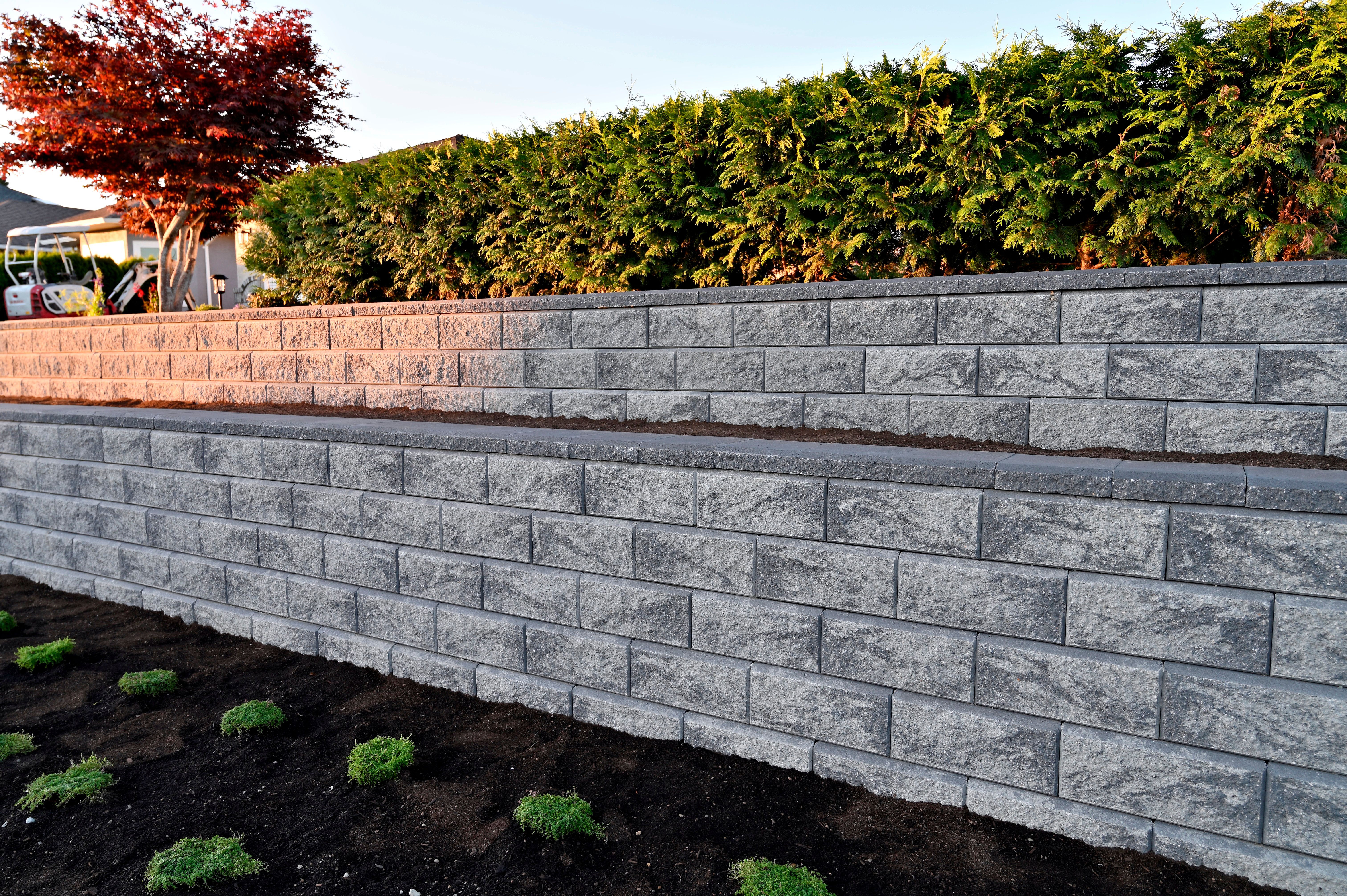
Retaining walls are essential structures used to hold back soil and prevent erosion. They are particularly important in areas with uneven terrain, like McLaren Vale, where they help manage slopes and create level spaces for landscaping. These walls can be both functional and aesthetically pleasing, adding value to your property.
Types of Retaining Walls
There are various types of retaining walls to consider, each with its unique characteristics. Some of the most common types include:
- Gravity Walls: These rely on their weight to hold back soil. They are typically made from concrete or stone.
- Cantilevered Walls: These use a reinforced concrete base to support the wall, making them suitable for taller structures.
- Sheet Piling Walls: Ideal for tight spaces, these walls are made from steel, vinyl, or wood planks driven into the ground.
- Anchored Walls: These are reinforced with cables or other materials to provide additional support.
Choosing the Right Material
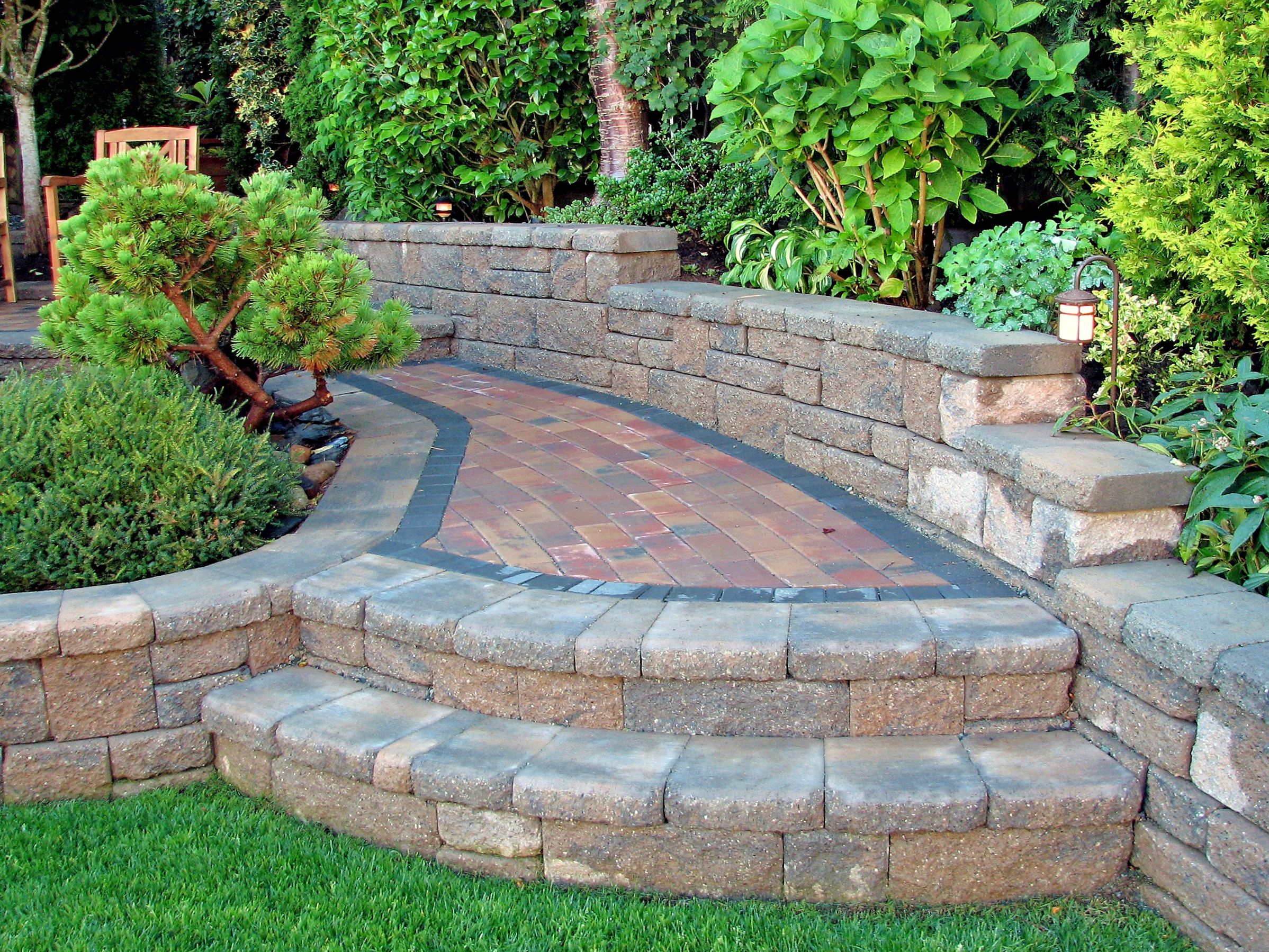
The choice of material for your retaining wall will impact its durability and appearance. Common materials include:
- Concrete: Known for its strength and versatility, concrete can be molded into various shapes and textures.
- Stone: Offers a natural look and blends well with the surrounding landscape.
- Timber: Provides a rustic appearance but may require more maintenance over time.
Design Considerations
When designing a retaining wall, several factors need to be considered to ensure its effectiveness and longevity. These include:
- Height: The height of the wall will affect its design and the materials used.
- Drainage: Proper drainage is crucial to prevent water buildup and pressure on the wall.
- Permits: Check local regulations to see if you need permits for your retaining wall project.
Installing Retaining Walls
Installation of retaining walls should be handled by professionals to ensure safety and compliance with building codes. The process typically involves:
- Planning and design: Determining the wall's location, height, and materials.
- Excavation: Preparing the site by removing soil and debris.
- Construction: Building the wall according to the design specifications.
- Finishing: Adding any necessary drainage and landscaping elements.
Maintenance Tips
Maintaining a retaining wall is crucial to its longevity and performance. Here are some tips to keep your wall in top condition:
- Regularly inspect the wall for signs of damage or erosion.
- Ensure that drainage systems are functioning properly to prevent water buildup.
- Address any vegetation growth that may affect the wall's structure.
Benefits of Retaining Walls in McLaren Vale
Retaining walls offer numerous benefits, particularly in regions like McLaren Vale. They help prevent soil erosion, manage water runoff, and create usable outdoor spaces. Additionally, they can enhance the visual appeal of your property, making it more attractive to potential buyers.
Environmental Considerations
When building retaining walls, it's important to consider the environmental impact. Opt for sustainable materials and designs that minimize disruption to the natural landscape. Proper planning and construction can ensure that your retaining wall complements the environment while serving its intended purpose.

In conclusion, retaining walls are a valuable addition to any property in McLaren Vale. By understanding the different types, materials, and design considerations, you can create a structure that is both functional and beautiful. Whether you're a homeowner or a contractor, this guide provides the essential information needed to make informed decisions about retaining walls.