A Guide to Boundary Retaining Walls: What Homeowners Need to Know
JW
Boundary retaining walls are a crucial aspect of landscape design and property management. They serve both functional and aesthetic purposes, helping to prevent soil erosion and providing a clean separation between different areas of your property. Understanding the basics of these structures can help homeowners make informed decisions.
What Are Boundary Retaining Walls?
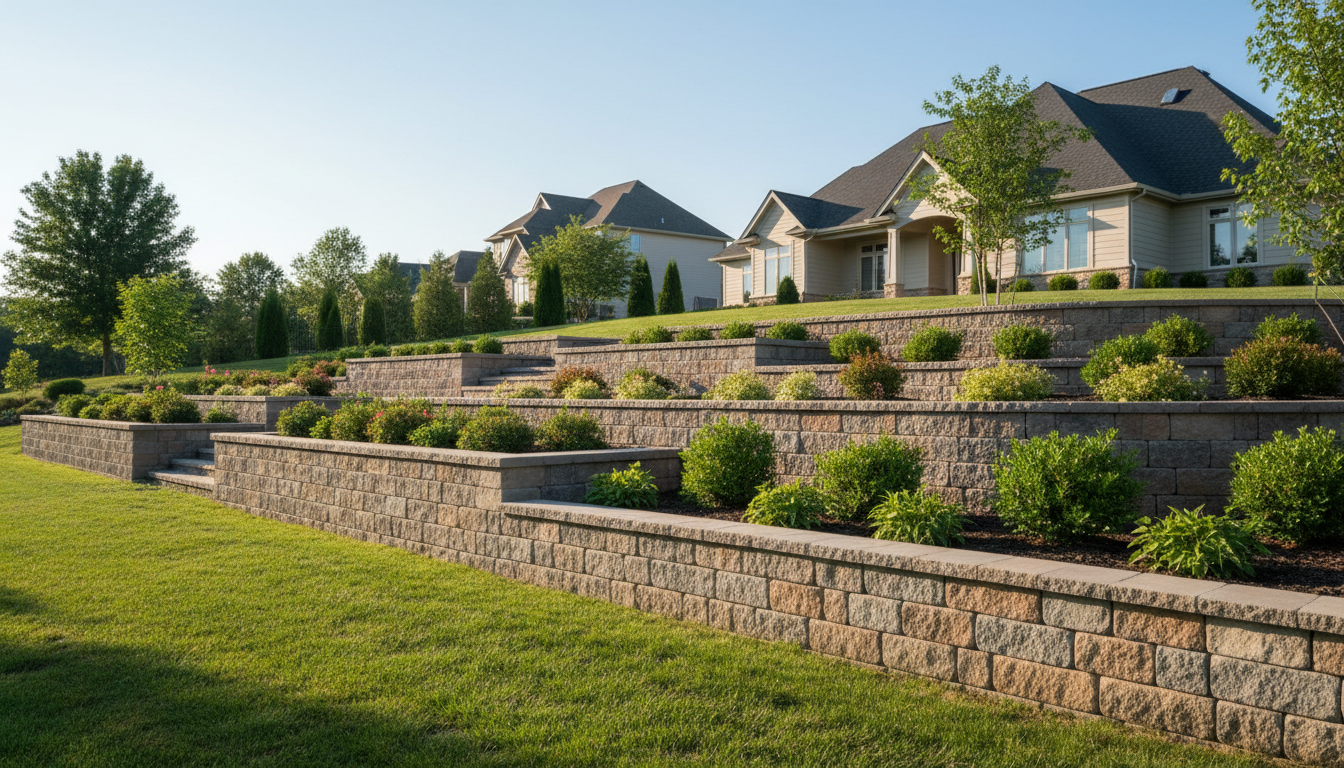
Boundary retaining walls are structures designed to hold back soil and create level areas on sloped properties. They are often used in gardens, driveways, and property lines to prevent erosion and manage water drainage. Constructed from materials like concrete, stone, or timber, these walls can also enhance the visual appeal of your landscape.
Types of Retaining Walls
Gravity Retaining Walls
Gravity retaining walls rely on their mass to resist the pressure of the soil behind them. They are typically made of heavy materials like stone or concrete and are suitable for low-height applications.
Reinforced Retaining Walls
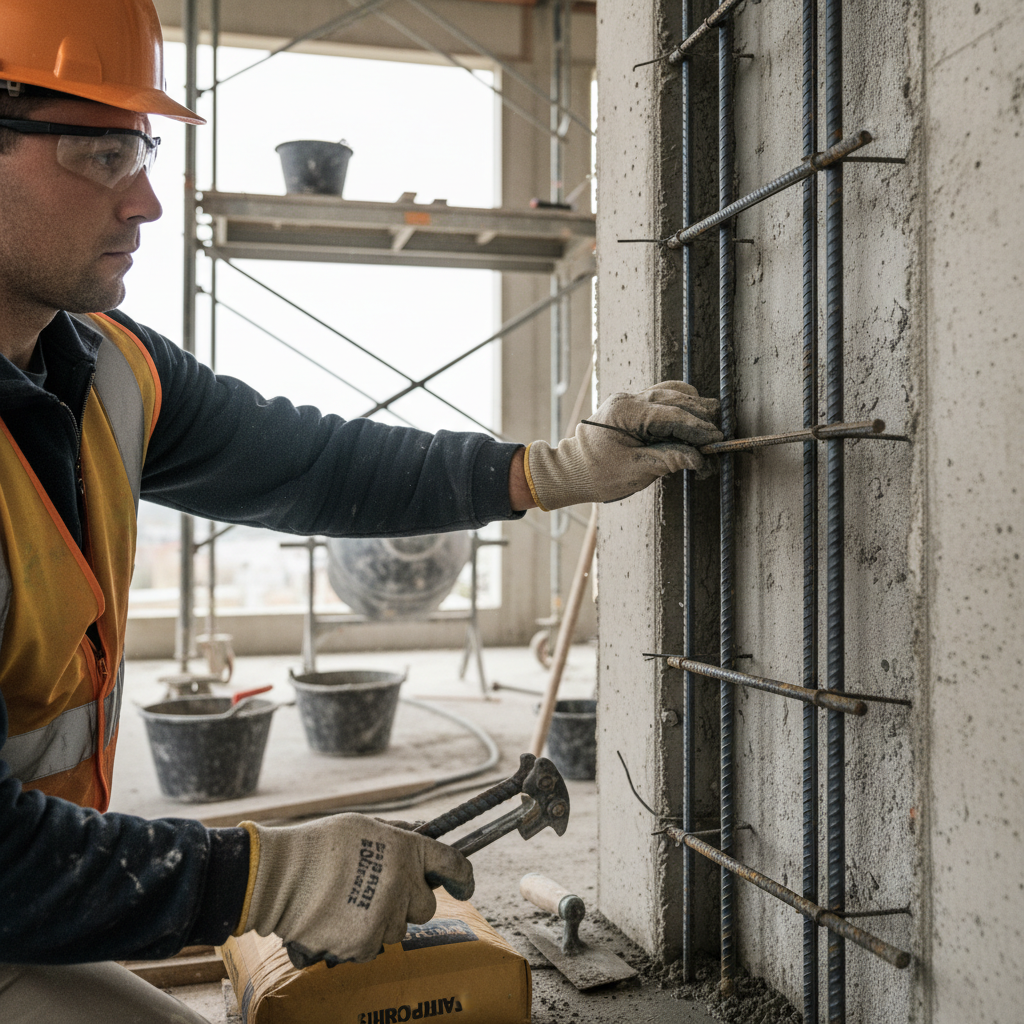
These walls incorporate steel or other reinforcements to improve their strength. They are ideal for higher walls and areas with greater soil pressure. Reinforced walls can be more complex and costly but offer increased durability.

Choosing the Right Material
The choice of material for your retaining wall depends on several factors, including budget, aesthetics, and the specific needs of your property. Popular options include:
- Concrete: Durable and versatile, suitable for various designs.
- Stone: Offers a natural look and is highly durable.
- Timber: A cost-effective option, best for lower walls.
Legal Considerations
Before constructing a boundary retaining wall, it is essential to check local regulations and acquire any necessary permits. Some regions have specific requirements for wall height and placement, particularly if the wall affects drainage or is near a property line.

Maintenance Tips
Regular maintenance is crucial to ensure the longevity of your retaining wall. Check for signs of wear, such as cracks or bulging, and address any drainage issues promptly. Proper maintenance can prevent costly repairs and ensure the wall's stability.
Hiring a Professional
Building a retaining wall can be a complex task, particularly for larger projects. Hiring a professional ensures the wall is constructed correctly and complies with local regulations. Professionals can also provide valuable advice on materials and design.
In summary, boundary retaining walls are vital for both functional and aesthetic purposes. By understanding the different types, materials, and legal considerations, homeowners can make informed decisions and enjoy a beautiful, well-maintained landscape.