Case Study: Transforming a Sloping Backyard with Retaining Walls
JW
Transforming a sloping backyard into a functional and aesthetically pleasing space can be quite the challenge. However, with the strategic use of retaining walls, this daunting task becomes manageable. In this case study, we explore how a steep, unusable backyard was transformed into a beautiful and practical outdoor area.
Understanding the Challenge
The homeowners faced a significant challenge: their sloping backyard was not only difficult to maintain but also largely unusable. The steep incline made it impossible to utilize the space effectively. The goal was to create a multi-level outdoor area that could be enjoyed throughout the year.

Planning and Design
Before any construction could begin, a comprehensive plan was essential. The landscape architect collaborated closely with the homeowners to understand their vision and needs. The design included multiple terraces supported by retaining walls, each serving a different purpose such as gardening, entertaining, and relaxation.
Retaining walls were chosen for their ability to hold back soil and create level areas on a slope. These walls not only provided structural support but also added a visual element to the landscape design.
Construction Process
The construction phase involved careful excavation and the installation of retaining walls using durable materials like concrete blocks and natural stone. These materials were selected for their longevity and ability to blend with the natural environment.
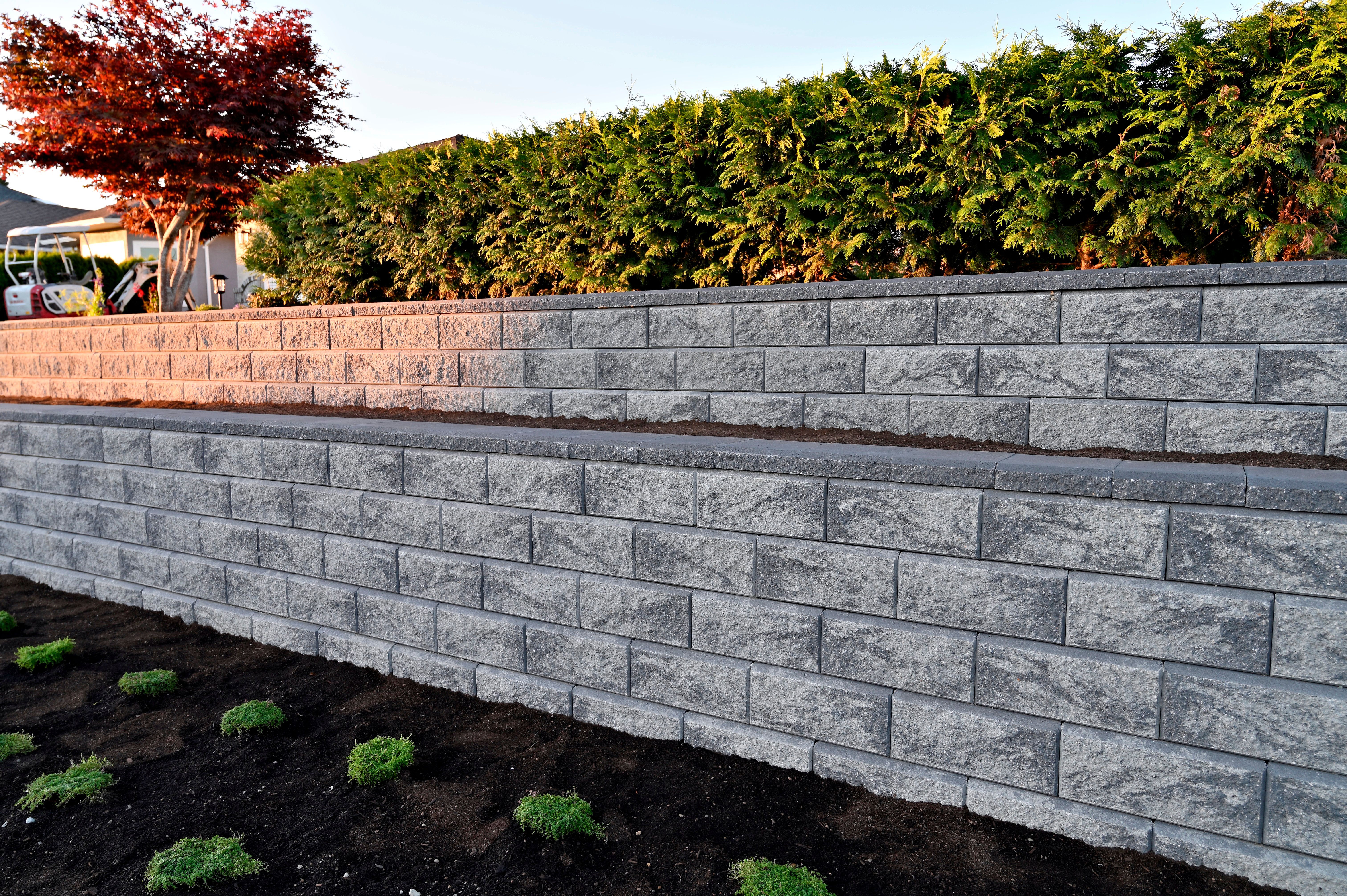
Drainage was a critical consideration during construction. Proper drainage systems were installed to ensure water didn’t accumulate behind the walls, which could lead to structural failure over time. This included the use of perforated pipes and gravel to facilitate water movement.
Landscaping and Finishing Touches
With the retaining walls in place, the next step was landscaping. The terraces were filled with soil and planted with a variety of plants suited to the local climate. This not only enhanced the aesthetic appeal but also helped in soil retention and preventing erosion.

Pathways were created using pavers to connect the different levels, and outdoor lighting was installed to highlight the features of the new landscape. The final touches included installing comfortable seating areas and a small water feature to create a peaceful ambiance.
Results and Benefits
The transformation of the backyard was remarkable. The once unusable slope was now a series of functional terraces, each offering a unique outdoor experience. The homeowners gained valuable outdoor living space, increasing the property's overall value and usability.
Retaining walls played a crucial role in this transformation. They not only provided the necessary support for the terraces but also became a key design feature, adding texture and depth to the landscape.
Conclusion
This case study demonstrates how retaining walls can effectively transform a sloping backyard into a versatile and beautiful outdoor space. By combining thoughtful design with skilled craftsmanship, homeowners can overcome the challenges of a sloping yard and create a space that enhances both their lifestyle and property value.