Choosing the Right Retaining Wall for Sloping Residential Blocks
JW
Understanding the Importance of Retaining Walls
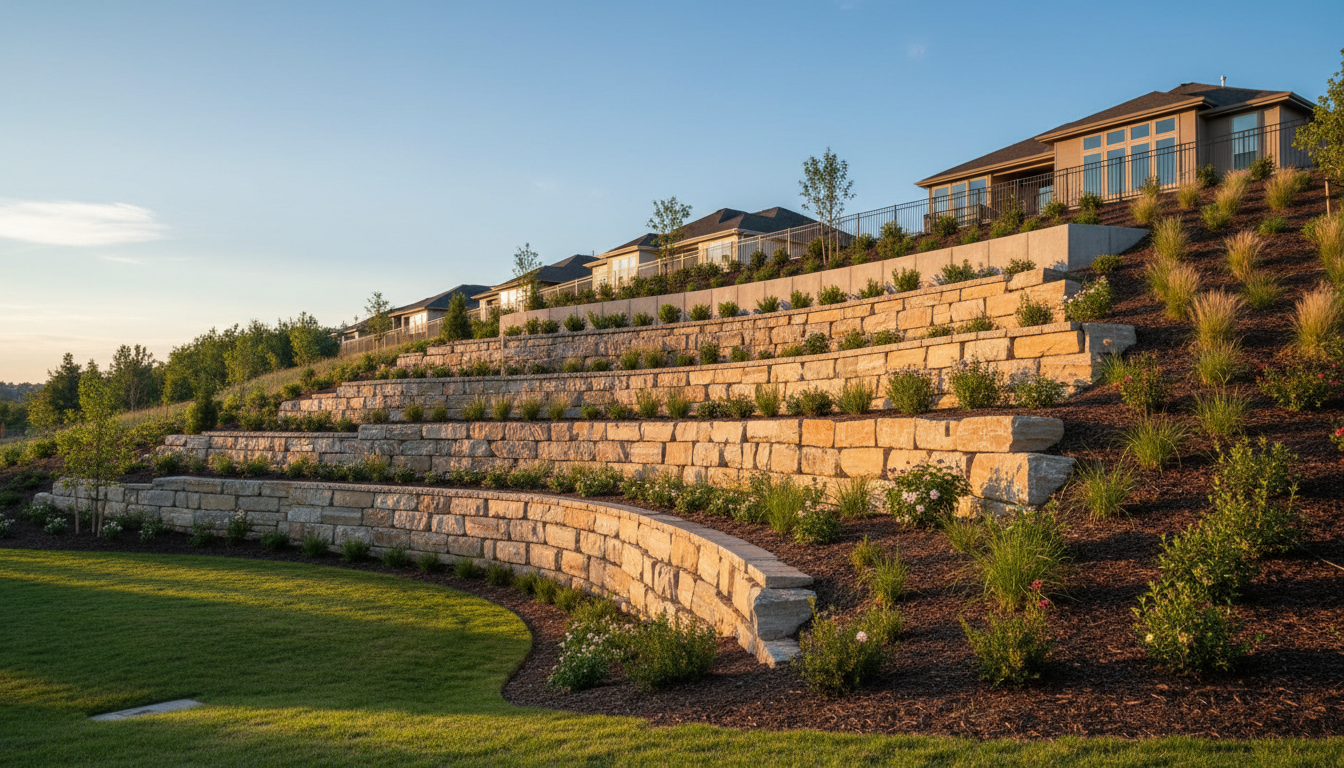
Retaining walls are essential structures for managing sloped residential blocks. These walls not only enhance the aesthetic appeal of your property but also play a crucial role in preventing soil erosion and managing water drainage. Selecting the right type of retaining wall can significantly impact the functionality and appearance of your outdoor space.
When considering a retaining wall, it's vital to evaluate the slope's steepness, soil type, and your property's overall landscape design. These factors will guide you in choosing the most suitable material and design for your retaining wall.
Types of Retaining Walls
Gravity Walls
Gravity retaining walls rely on their mass to withstand the pressure from the soil behind them. Typically made from heavy materials like concrete or stone, these walls are ideal for small to medium-sized slopes. Their substantial weight provides stability, ensuring your landscape remains intact.
Reinforced Retaining Walls
Reinforced retaining walls incorporate materials like steel or geogrid which provide additional strength. These walls are suitable for steeper slopes and larger projects where extra support is necessary. The reinforcement helps distribute the pressure evenly, offering a more robust solution.
Materials to Consider
Concrete
Concrete is a popular choice due to its durability and versatility. It can be molded into various shapes and designs, allowing for customization. Concrete walls can be either poured in place or constructed using precast blocks, offering flexibility depending on your needs.
Natural Stone
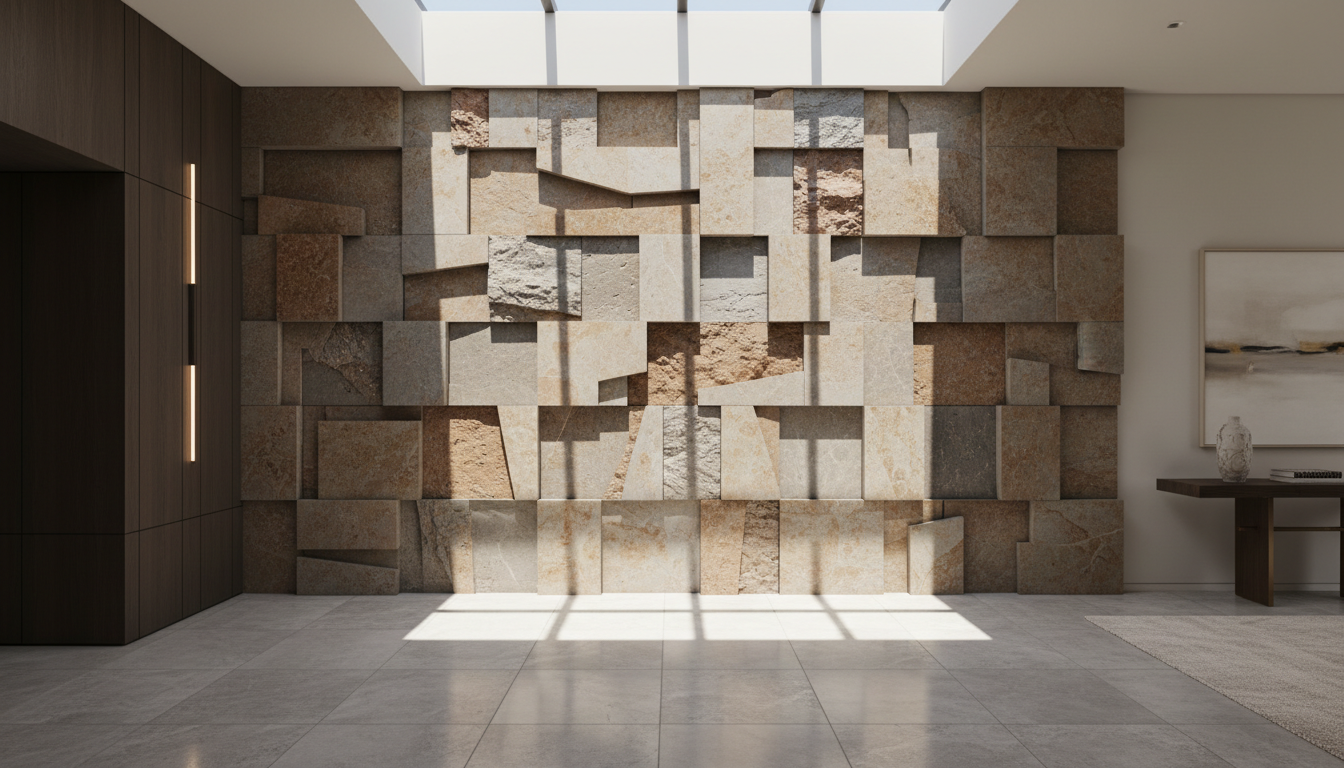
For a more organic look, natural stone retaining walls are an excellent option. These walls blend seamlessly with natural surroundings and provide a timeless aesthetic. While they may require more skill to install, the result is often worth the effort.
Design and Aesthetics
The design of your retaining wall should complement your home's architecture and landscape. Consider incorporating curves or varying heights for added visual interest. Additionally, integrating plants or decorative elements can soften the wall's appearance and enhance its appeal.
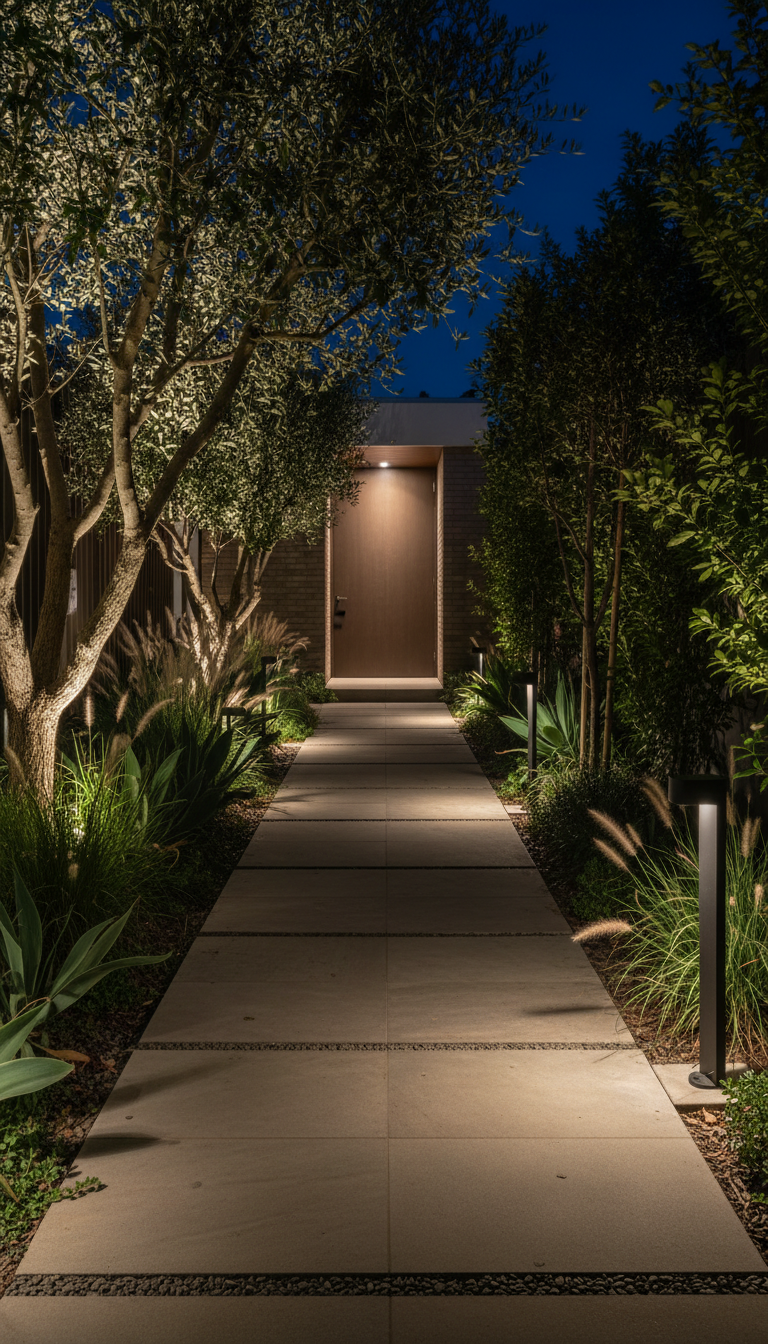
Lighting can also play a significant role in the wall's design. Well-placed lights can highlight the wall's texture and create a stunning nighttime feature, adding both safety and beauty to your outdoor space.
Maintenance and Longevity
Regular maintenance is crucial to ensure the longevity of your retaining wall. Inspect the wall periodically for any signs of damage or wear, such as cracks or shifting. Addressing these issues promptly can prevent more significant problems down the line.
Proper drainage is also essential for maintaining the wall's integrity. Ensure that water is directed away from the wall to prevent erosion and pressure build-up, which could compromise the wall's stability.
By choosing the right retaining wall for your sloping residential block, you can create a functional and attractive landscape that enhances your property's value and usability. Whether you opt for a simple gravity wall or a more complex reinforced design, careful planning and consideration will ensure a successful outcome.