Choosing the Right Retaining Wall for Sloping Residential Blocks
JW
Understanding Retaining Walls
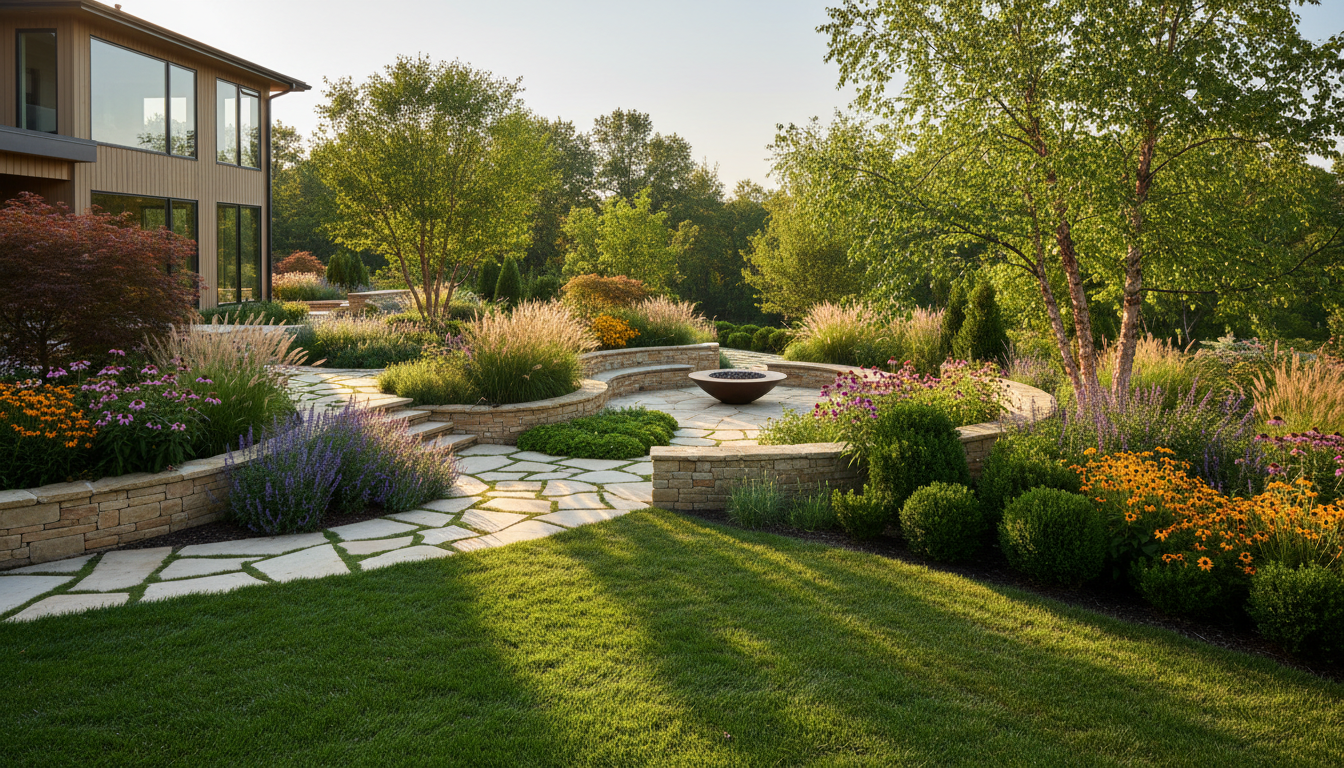
Retaining walls are essential for managing sloping residential blocks. They not only prevent soil erosion but also enhance the aesthetic appeal of a property. Choosing the right retaining wall involves understanding various materials, designs, and structural requirements that suit your landscape.
When planning for a retaining wall, it's crucial to consider the slope's steepness, soil type, and drainage. These factors will influence the design and material selection, ensuring the wall's longevity and effectiveness.
Types of Retaining Walls
Gravity Walls
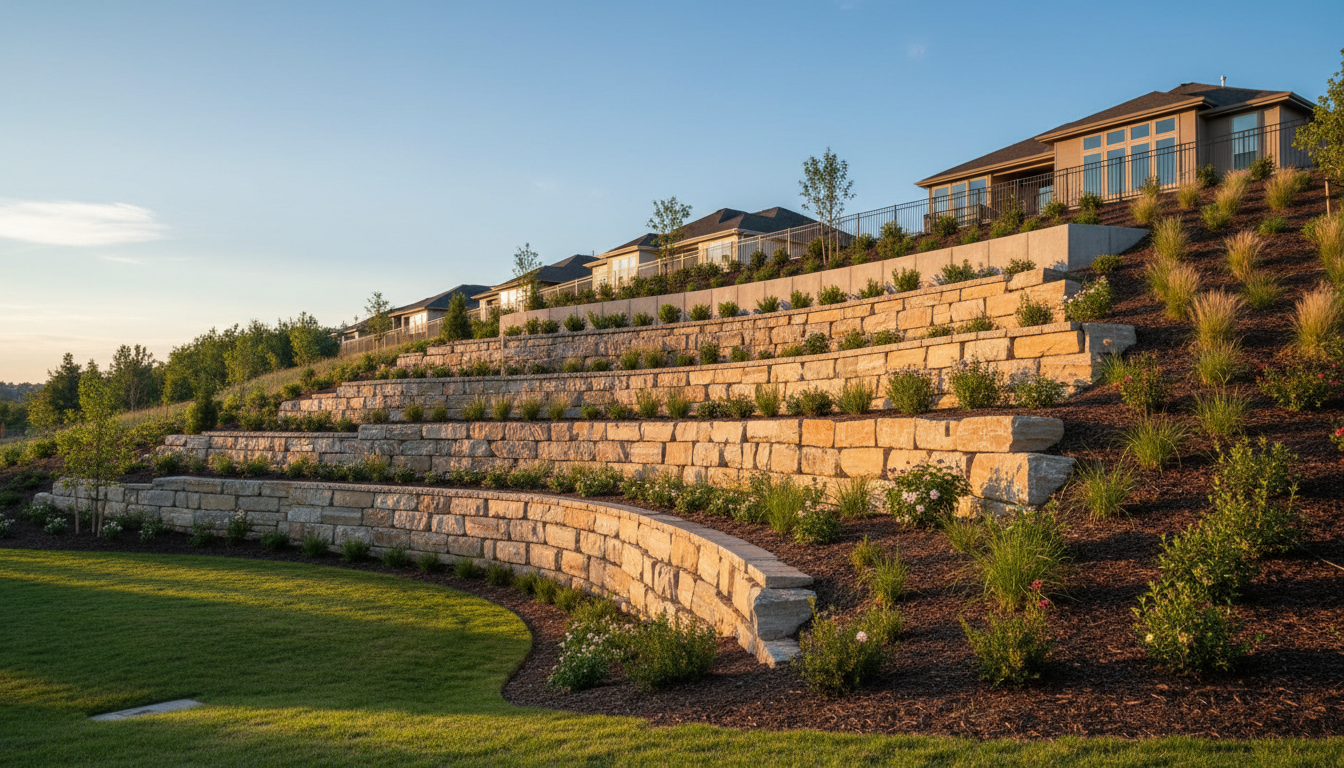
Gravity walls rely on their weight to hold back soil. They are typically made from heavy materials such as concrete or stone. These walls are ideal for shorter walls and can be constructed without the need for additional reinforcement.
Cantilevered Walls
Cantilevered walls use a reinforced concrete structure with a base slab. They are suitable for taller walls and can support more significant loads. The design involves a thinner wall, supported by the cantilever action, which saves material costs.
Anchored Walls
For added strength, anchored walls use cables or rods driven into the soil. This type is ideal for areas with loose or unstable earth. Anchored walls provide extra support, ensuring the structure remains stable under pressure.
Materials for Retaining Walls
Concrete Blocks
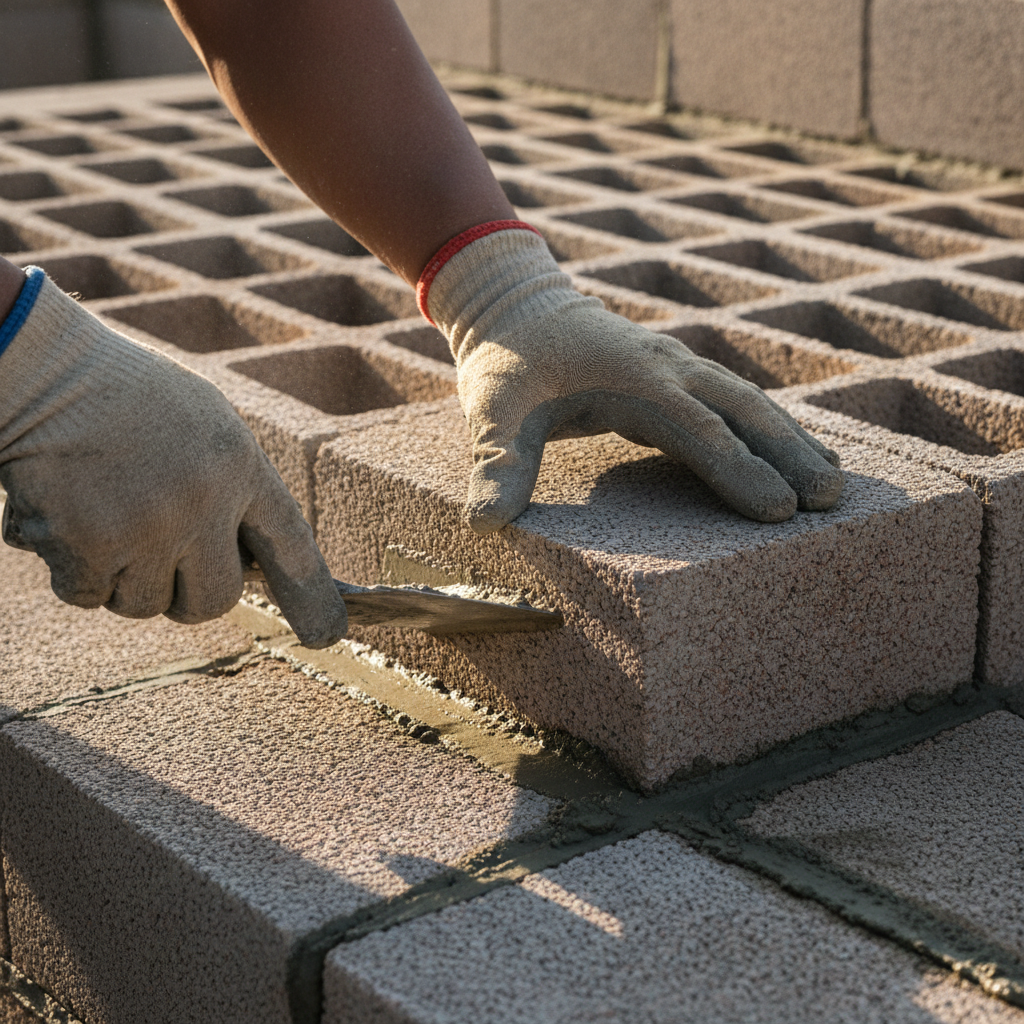
Concrete blocks are a popular choice due to their durability and ease of installation. They come in various sizes and finishes, allowing for versatile design options. Concrete blocks are particularly effective in areas with variable weather conditions.
Natural Stone
Natural stone offers a classic and timeless look. While more expensive, stone walls provide unmatched aesthetic appeal and are highly durable. They are perfect for homeowners looking to blend their retaining wall with the natural surroundings.
Design Considerations
When designing a retaining wall, consider the height and length, as well as the wall's overall shape. A curved design can add visual interest, while straight walls provide a more formal appearance. Drainage is another critical aspect; proper drainage ensures water does not accumulate behind the wall, which can lead to failure.
Lastly, consult with a professional engineer or landscape architect to ensure your design meets local building codes and structural requirements. Their expertise can help you avoid costly mistakes and ensure a successful project.