Common Misconceptions About Retaining Walls: Debunked
JW
Understanding Retaining Walls
Retaining walls are essential structures used in landscaping and construction to hold back soil and prevent erosion. Despite their widespread use, many misconceptions surround these versatile structures. Let's explore some of the most common myths and set the record straight.
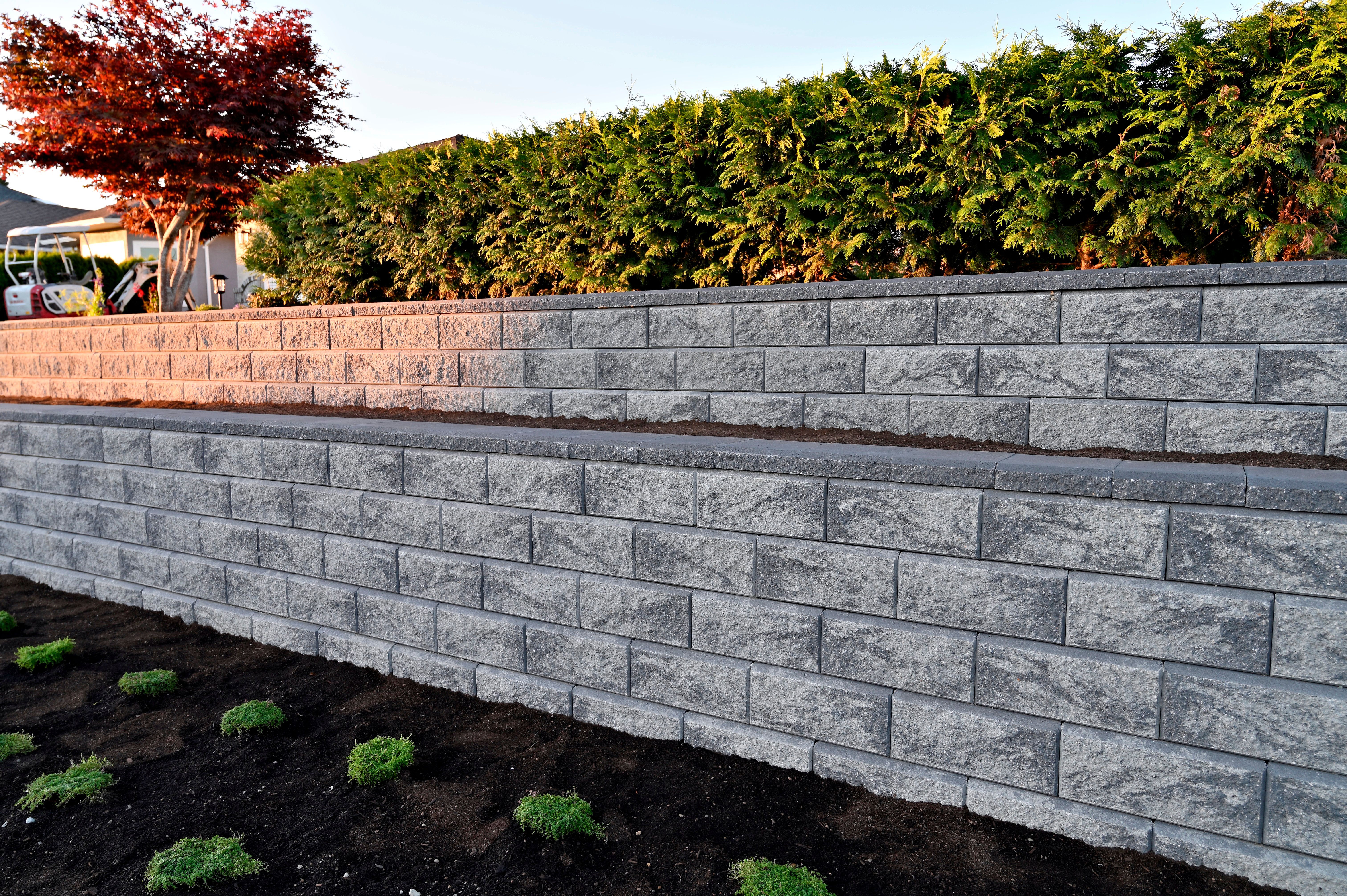
Myth 1: Retaining Walls are Only for Aesthetic Purposes
While retaining walls can certainly enhance the visual appeal of a landscape, their primary function is structural. These walls are crucial for preventing soil erosion, managing water runoff, and creating usable flat spaces on sloped terrain. Ignoring their structural importance can lead to significant issues down the road.
Myth 2: All Retaining Walls are Created Equal
Another common misconception is that all retaining walls are the same. In reality, there are various types of retaining walls, each suited to different applications. Some of the most common types include gravity walls, cantilevered walls, and anchored walls. Each type has specific design considerations and advantages.

Myth 3: Retaining Walls Don't Require Maintenance
Like any other structure, retaining walls require regular maintenance to ensure longevity and performance. This might include checking for signs of wear, ensuring proper drainage, and addressing any minor issues before they become major problems. Neglecting maintenance can lead to costly repairs or even wall failure.
Myth 4: Retaining Walls are Easy DIY Projects
While it might seem simple to stack some stones or blocks, constructing a retaining wall requires careful planning, proper materials, and specific construction techniques. Mistakes during construction can lead to instability and failure. It's often best to consult with or hire professionals for significant projects.

Myth 5: Any Material Can Be Used
Choosing the right material for a retaining wall is critical. Factors such as soil type, water flow, and the height of the wall all influence material choice. Common materials include concrete, stone, and timber, each offering different benefits and drawbacks.
Myth 6: Permits Aren't Necessary
Depending on your location and the size of the retaining wall, you may need a permit to build. Regulations vary, so it's essential to check with local authorities before starting your project. Ignoring permit requirements can result in fines or the need to dismantle the structure.
By understanding the facts about retaining walls, homeowners and builders can make informed decisions that ensure the safety, functionality, and beauty of their projects. Whether you're building a small garden wall or a large structural support, knowledge is key to success.