Common Retaining Wall Mistakes and How to Avoid Them
JW
Understanding the Importance of Retaining Walls
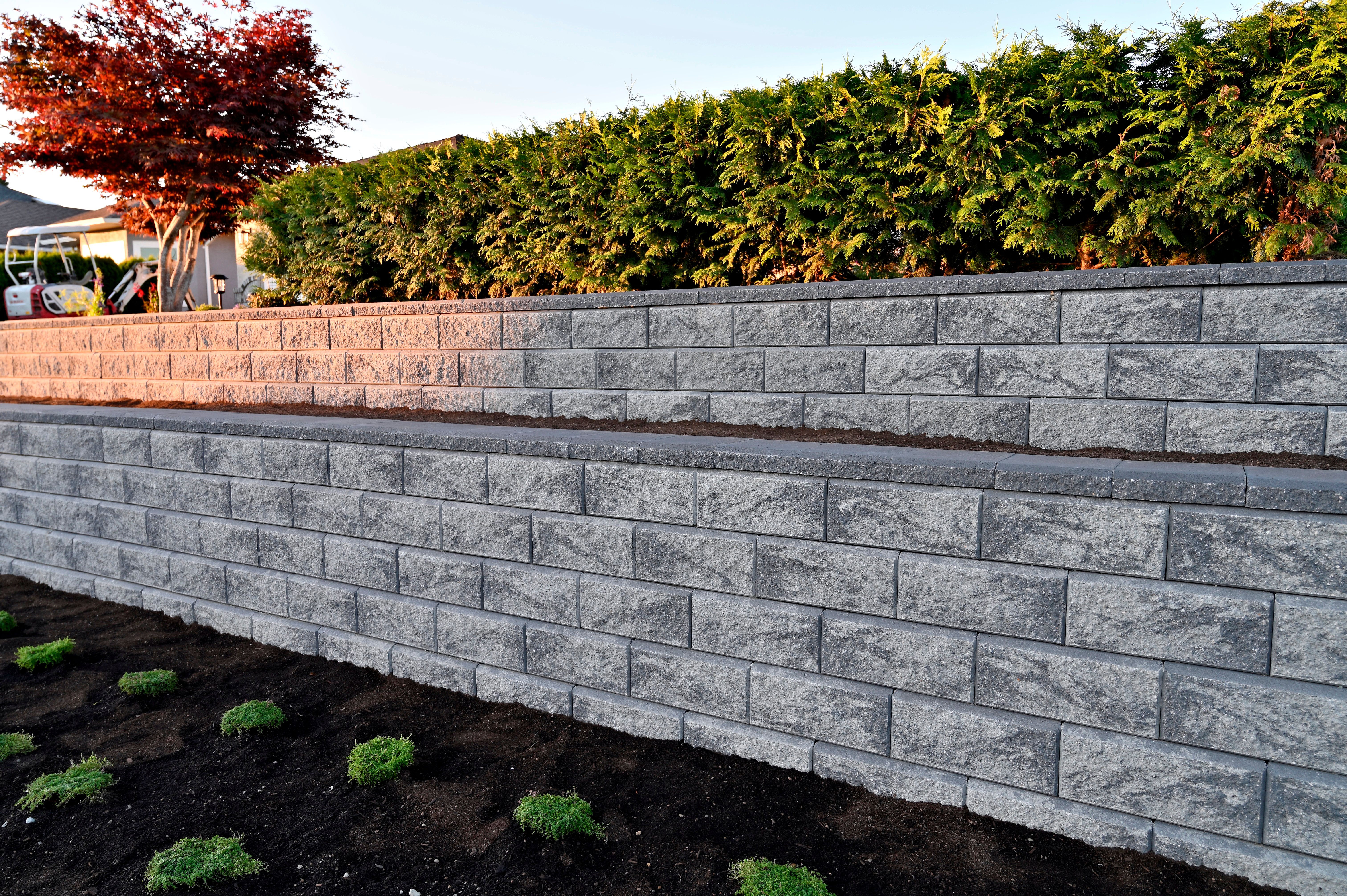
Retaining walls play a crucial role in landscaping and construction. They help manage sloped areas, prevent soil erosion, and create usable spaces. However, building a retaining wall involves more than just stacking stones or bricks. Avoiding common mistakes can save you time and money while enhancing the lifespan of your wall.
Poor Planning and Design
One of the most common mistakes is diving into construction without proper planning. A well-designed retaining wall should consider factors like soil type, drainage, and load-bearing capacity. Failing to address these can lead to structural failure.
To avoid this mistake, start by consulting with a professional engineer or landscape architect. They can help you design a wall that meets your specific needs and complies with local regulations.
Ignoring Proper Drainage
Water is one of the biggest threats to retaining walls. Without appropriate drainage, water can build up behind the wall, increasing pressure and leading to collapse. Ensure that your design includes drainage solutions like gravel backfill, weep holes, or drainage pipes.
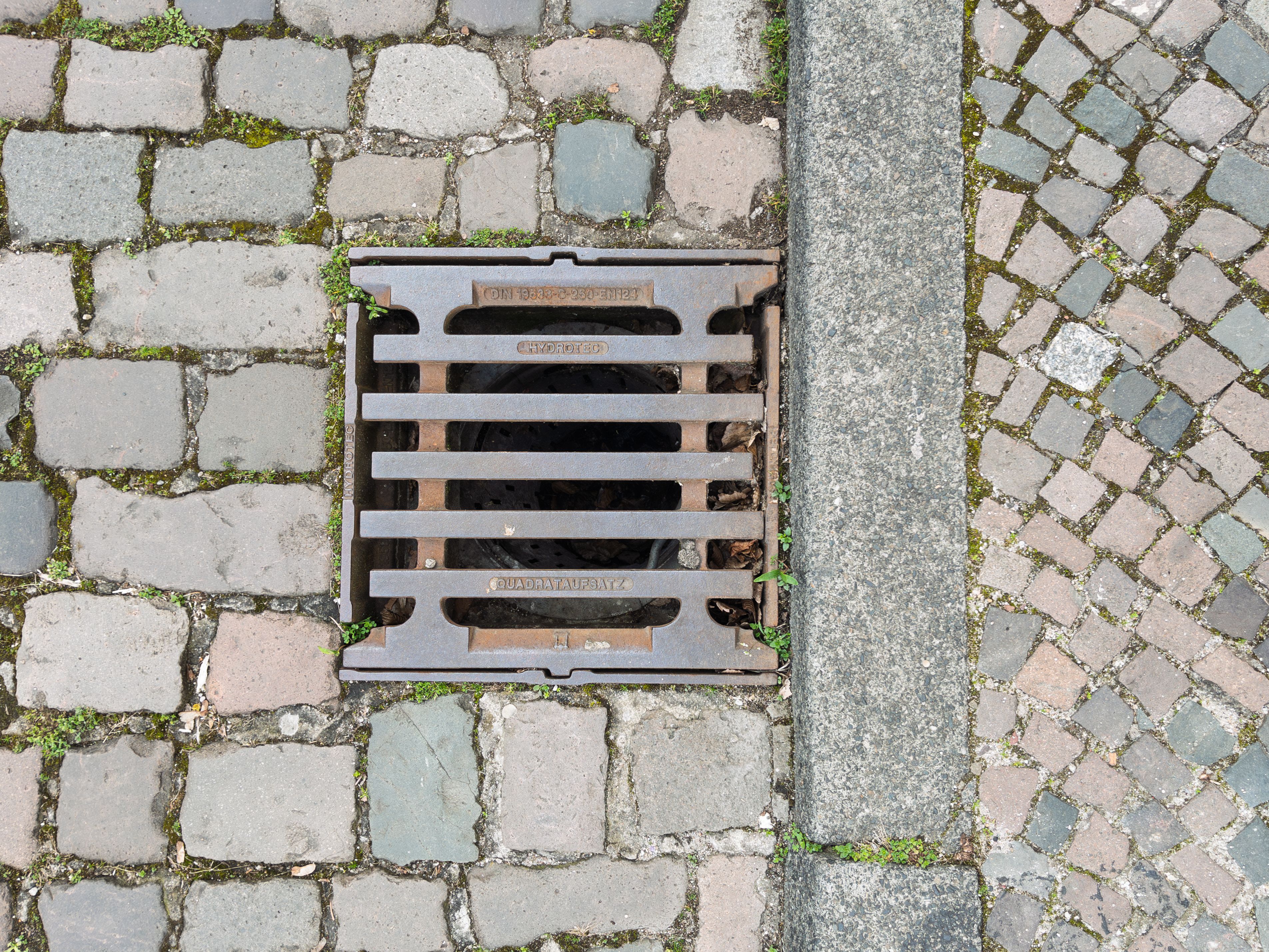
Regular maintenance is also key to preventing water-related issues. Check and clean drainage systems periodically to ensure they are functioning correctly.
Using Inadequate Materials
The choice of materials significantly impacts the wall's durability. Using substandard or inappropriate materials can compromise the wall's integrity. Opt for high-quality, weather-resistant materials that are suitable for your specific environment.
Research different options and consult with suppliers to make informed decisions about the best materials for your project.

Insufficient Reinforcement
Retaining walls need reinforcement to withstand the forces exerted by the soil they hold back. Depending on the wall's height and the soil type, you might need to incorporate geogrids or steel reinforcements.
Consult with a structural engineer to determine the appropriate level of reinforcement required for your wall. This step is crucial for ensuring long-term stability and safety.
Overlooking Local Regulations
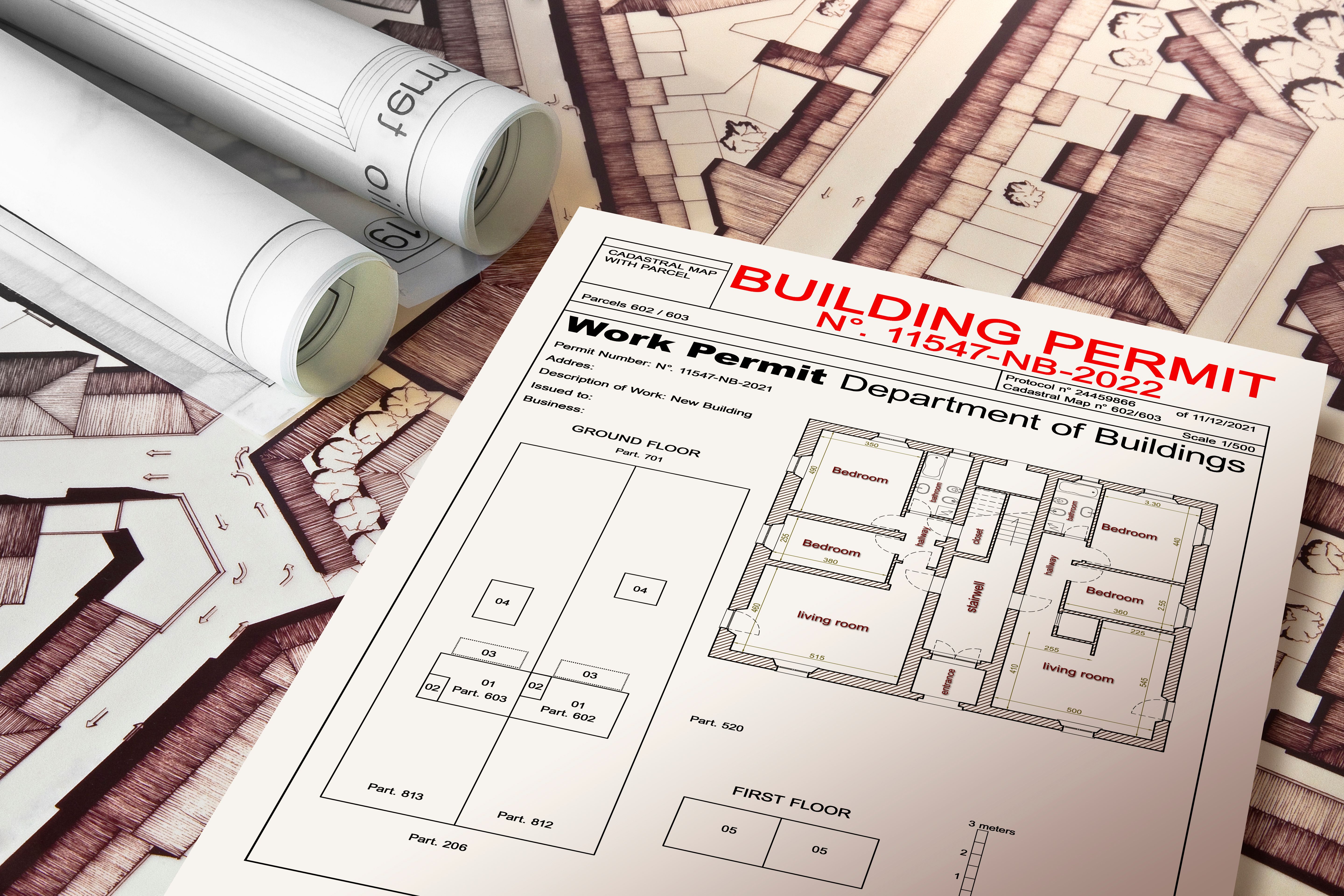
Every region has specific regulations and codes governing the construction of retaining walls. Failing to comply can lead to legal issues and potentially costly modifications. Always check with local authorities to understand the requirements before you start building.
Obtaining the necessary permits and ensuring compliance with building codes will not only keep you on the right side of the law but also ensure your wall's safety and reliability.
Conclusion
Avoiding these common mistakes can significantly enhance the effectiveness and longevity of your retaining wall. Proper planning, material selection, drainage solutions, and adherence to local regulations are key factors in achieving a successful construction project. By paying attention to these details, you can build a wall that serves its purpose effectively for years to come.