Comparing Retaining Wall Materials: Finding the Right Fit for Your Project
JW
Understanding Retaining Wall Materials
Retaining walls are crucial structures used to hold back soil and create level areas in landscaping projects. Choosing the right material for your retaining wall is essential to ensure longevity, functionality, and aesthetic appeal. There are several materials to consider, each with its own advantages and disadvantages.
The most common materials for retaining walls include concrete, natural stone, brick, and timber. Each material offers different levels of durability, cost, and maintenance requirements. Understanding these differences can help you make an informed decision for your project.
Concrete Retaining Walls
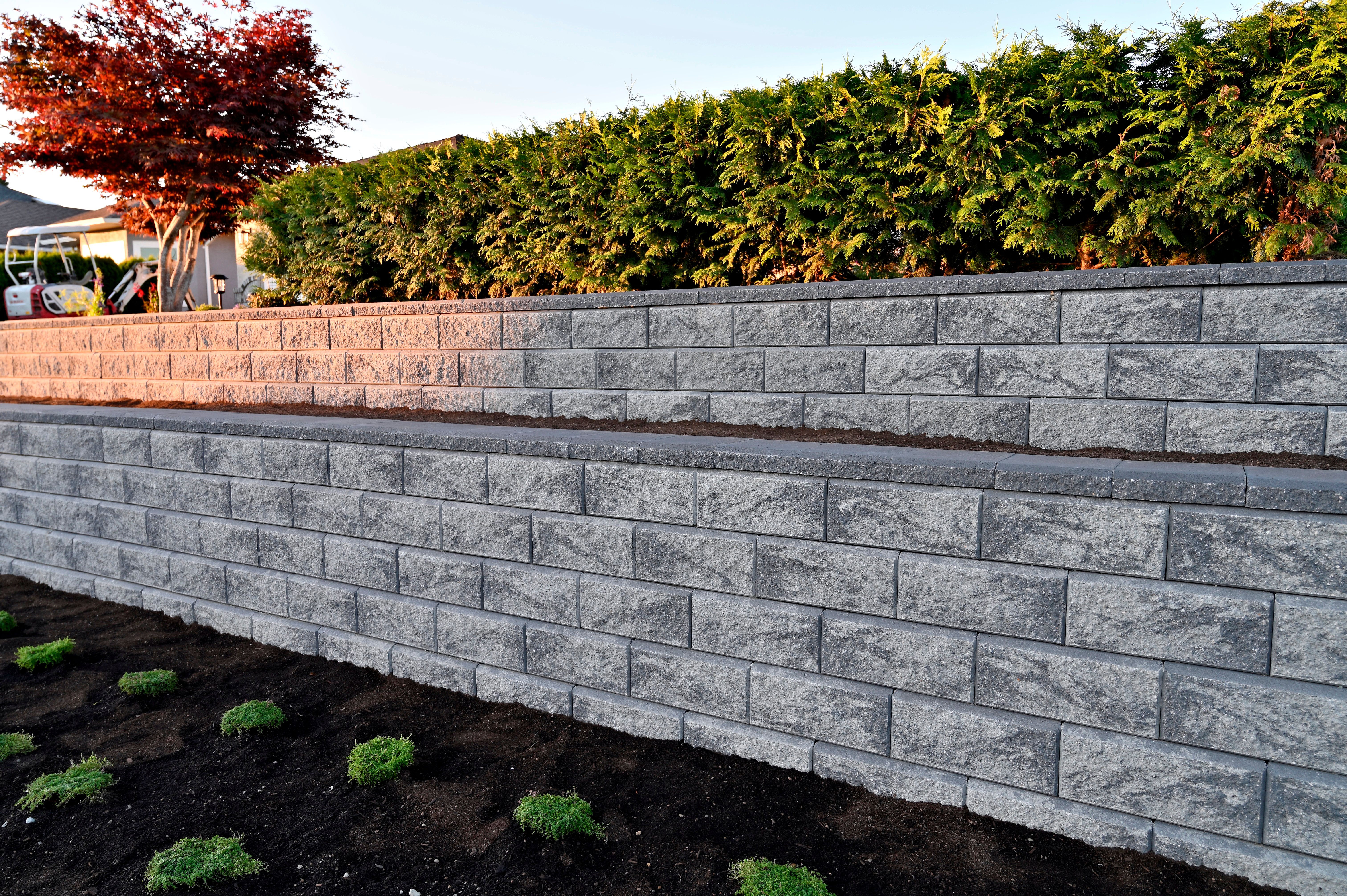
Concrete is a popular choice due to its strength and durability. It can be poured in place or used as precast blocks. Concrete walls can withstand significant pressure from the soil, making them ideal for larger projects. They are also highly customizable, allowing for various finishes and designs.
However, concrete can be more expensive upfront compared to other materials, and installation requires skilled labor. Despite the higher initial cost, the low maintenance and long lifespan make concrete a cost-effective option in the long run.
Poured vs. Precast Concrete
Poured concrete offers a seamless look and can be molded into any shape, which is perfect for customized designs. On the other hand, precast concrete blocks are easier to install and come in a range of sizes and textures, offering more flexibility during construction.
Natural Stone Retaining Walls
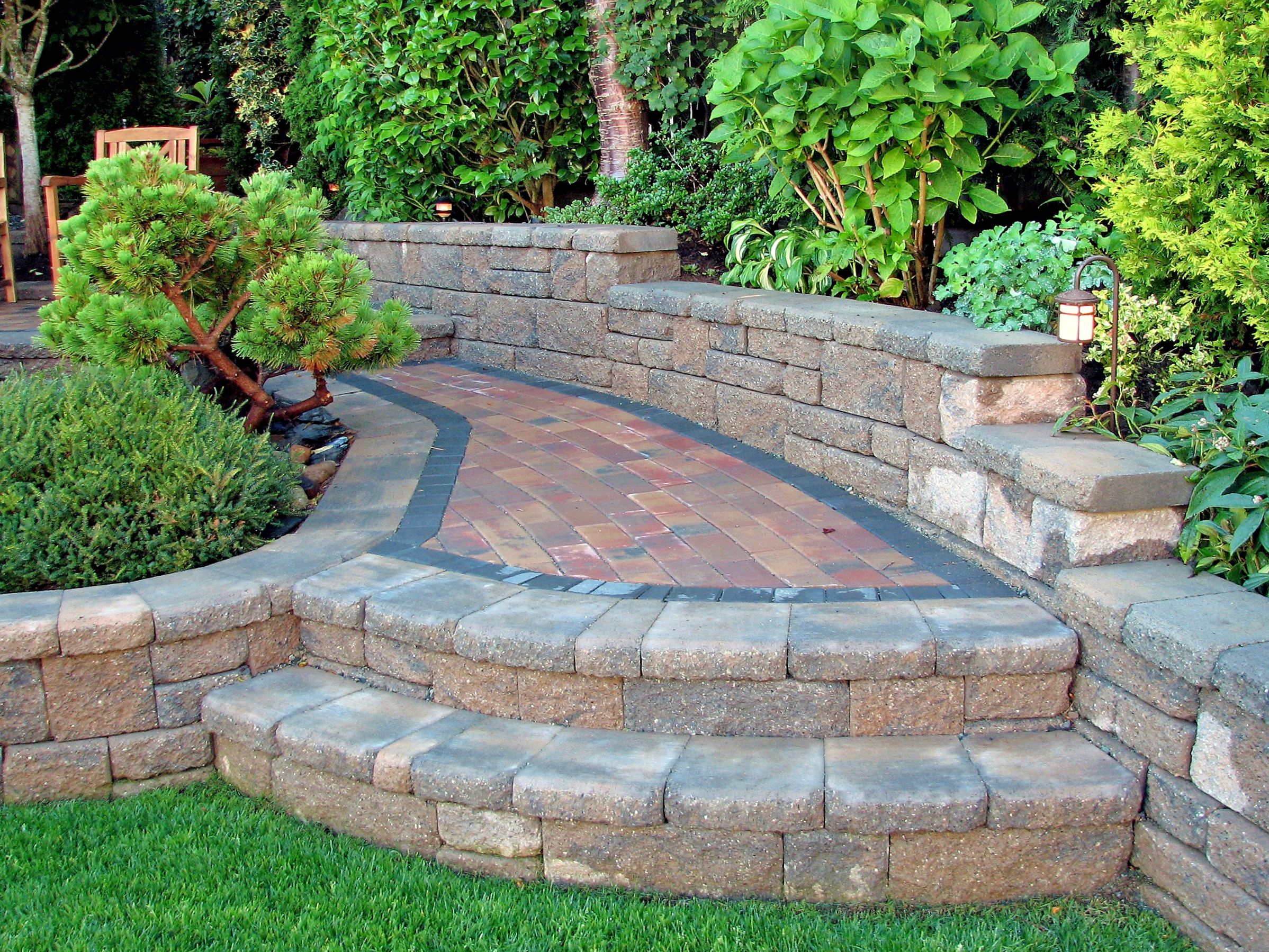
Natural stone provides a timeless and elegant appearance, making it a favored option for projects where aesthetics are a priority. Stone walls blend beautifully with natural landscapes and offer a rustic charm that other materials may lack.
While natural stone is visually appealing, it can be more expensive and labor-intensive to install. The irregular shapes and sizes require skilled craftsmanship to ensure stability and a neat finish. Additionally, natural stone walls may require more maintenance over time to prevent shifting and settling.
Brick Retaining Walls
Brick retaining walls offer a classic look with a high level of durability. They are ideal for smaller projects and can add a traditional touch to any landscape. Bricks are available in various colors and styles, allowing for creative designs that complement existing structures.
While bricks are sturdy, they may not be suitable for very high walls as they can be prone to cracking under excessive pressure. Regular maintenance, such as repointing, is necessary to keep the wall in good condition over the years.
Timber Retaining Walls
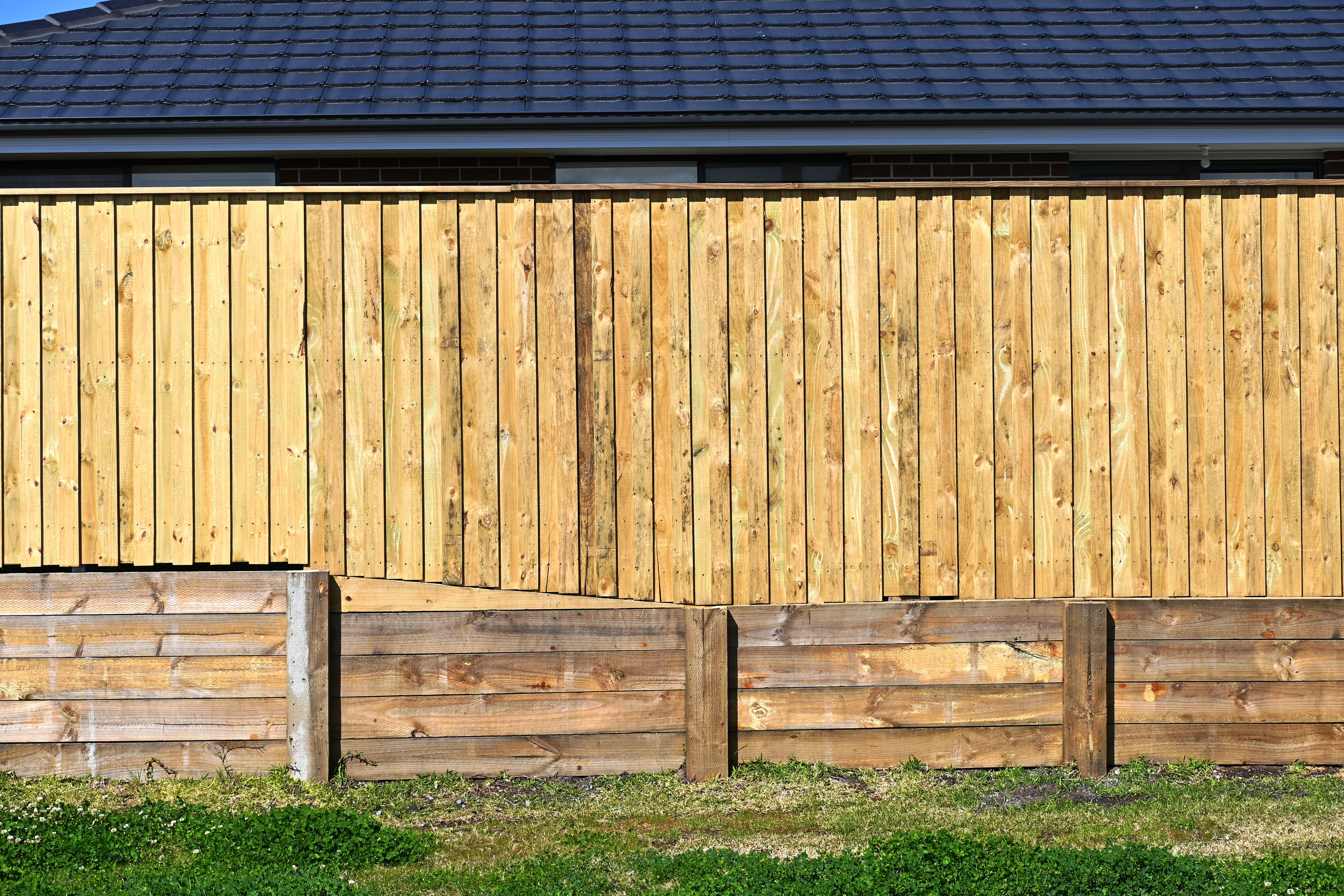
Timber is often chosen for its natural appearance and affordability. It is easy to work with and can be quickly installed, making it a popular choice for DIY enthusiasts. Timber walls are best suited for small to medium-sized projects with minimal load requirements.
However, timber is susceptible to rot and insect damage, especially in moist environments. Regular treatment and maintenance are required to extend the lifespan of a timber retaining wall. For those looking for an eco-friendly option, treated timber from sustainable sources can be a viable choice.
Choosing the Right Material for Your Project
When deciding on the best material for your retaining wall, consider the specific needs of your project, including budget, aesthetic preferences, and environmental conditions. Assess the height and load requirements of the wall, as well as the level of maintenance you are willing to undertake.
Consulting with a professional landscaper or structural engineer can provide valuable insights into the suitability of each material for your specific situation. By carefully weighing the pros and cons, you can select the best retaining wall material that aligns with your project's goals and ensures a lasting, beautiful addition to your landscape.