Expert Guide to Proper Drainage Systems for Retaining Walls
JW
Understanding the Importance of Drainage Systems
Retaining walls are essential structures in landscaping and construction, providing support to prevent soil erosion and manage landscapes. However, without a proper drainage system, their functionality can be significantly compromised. Effective drainage prevents water accumulation, which can lead to wall failure due to increased pressure and soil erosion.
Components of a Drainage System
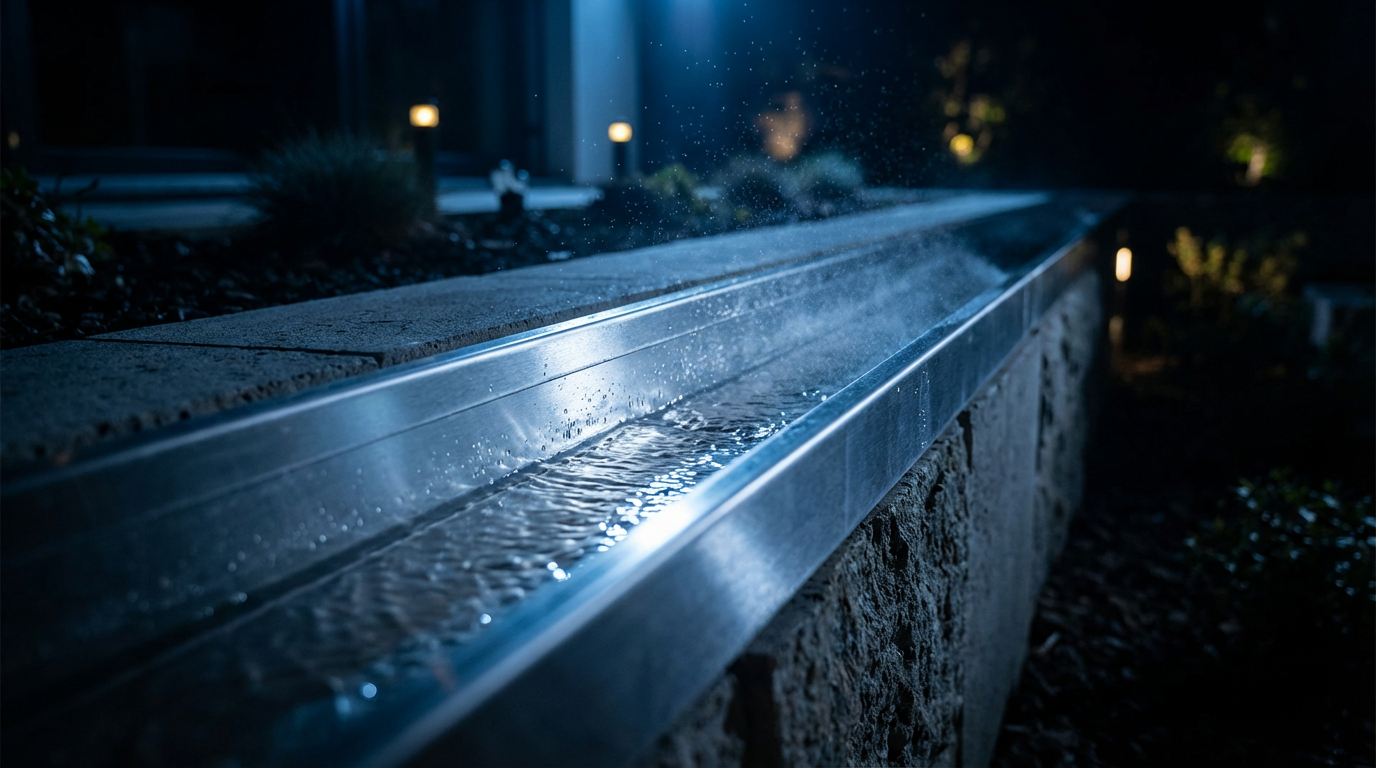
A well-designed drainage system for retaining walls typically includes several key components. These components work together to ensure water is efficiently managed and directed away from the wall.
- Drainage Pipe: Typically made from perforated PVC, these pipes collect and redirect water away from the wall.
- Gravel Backfill: Gravel allows water to flow easily towards the drainage pipe, preventing pressure buildup.
- Filter Fabric: This prevents soil and debris from clogging the drainage pipes, ensuring a free flow of water.
Designing an Effective Drainage System
When designing a drainage system, it is crucial to consider the type of soil and the slope of the land. Clay-heavy soil retains water, requiring more extensive drainage solutions, while sandy soil drains more easily. Slope affects how water flows naturally, influencing the placement of drainage pipes.
Installation Best Practices
Proper installation is key to the effectiveness of drainage systems. Begin by excavating a trench behind the retaining wall to accommodate the drainage pipe. The pipe should be placed at the base of the wall, sloping slightly to guide water away effectively.
Maintaining Your Drainage System
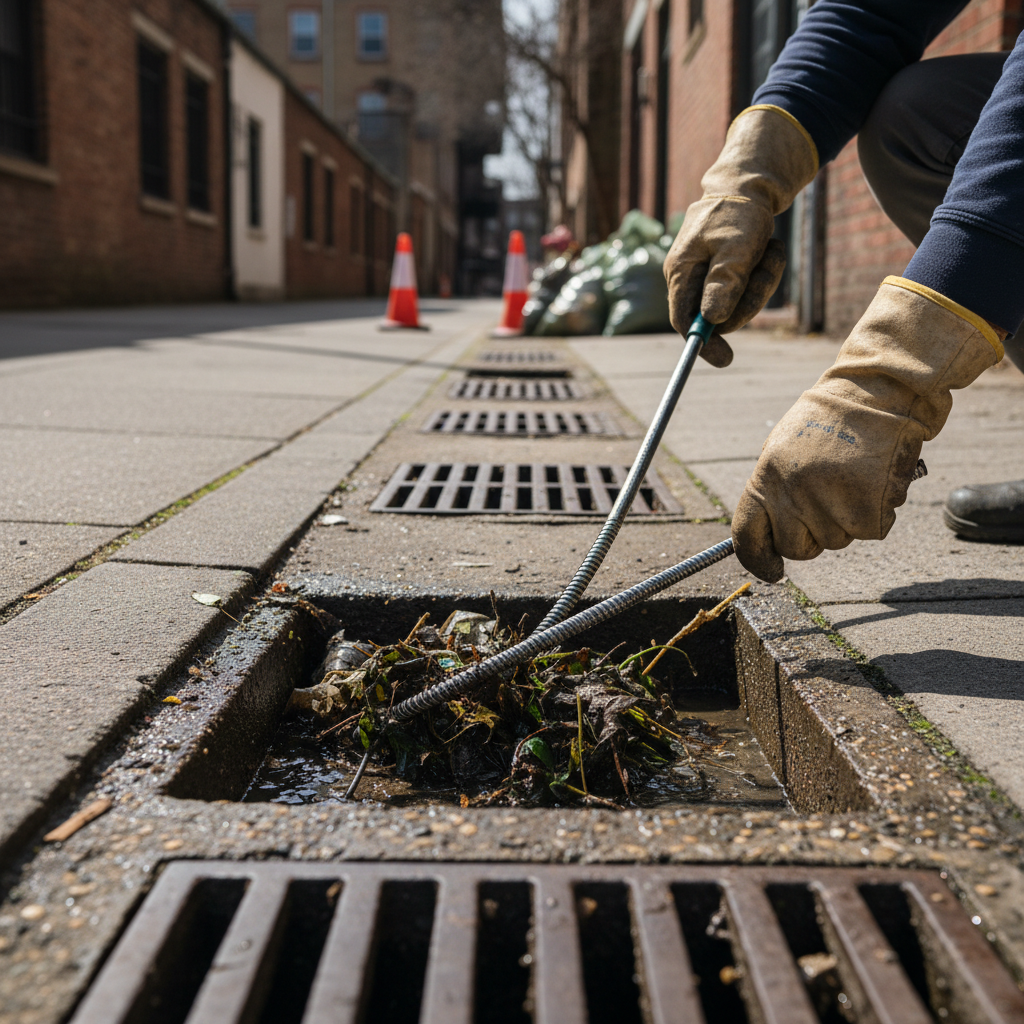
Regular maintenance is essential to ensure your drainage system continues to function optimally. Inspect the system periodically, checking for blockages or damage. Clear any debris from the drainage channels and ensure the gravel remains clean and free-flowing.
Common Problems and Solutions
Common issues with drainage systems include clogs and pipe damage. Clogs can be prevented by using high-quality filter fabric and ensuring regular maintenance. If a pipe is damaged, it should be repaired or replaced promptly to maintain the system's integrity.
Conclusion
An effective drainage system is crucial for the longevity and functionality of retaining walls. By understanding the components, design, and maintenance of these systems, you can protect your retaining walls from the damaging effects of water accumulation. Investing time and resources in proper drainage will ensure that your retaining walls remain stable and effective for years to come.