Expert Tips for Building Retaining Walls on Sloping Residential Blocks
JW
Understanding the Basics of Retaining Walls
Retaining walls are crucial structures when it comes to managing sloping residential blocks. They help prevent soil erosion, manage water drainage, and create usable garden or patio spaces. Before embarking on building a retaining wall, it is essential to understand the basic principles and requirements involved.
Planning and Design Considerations
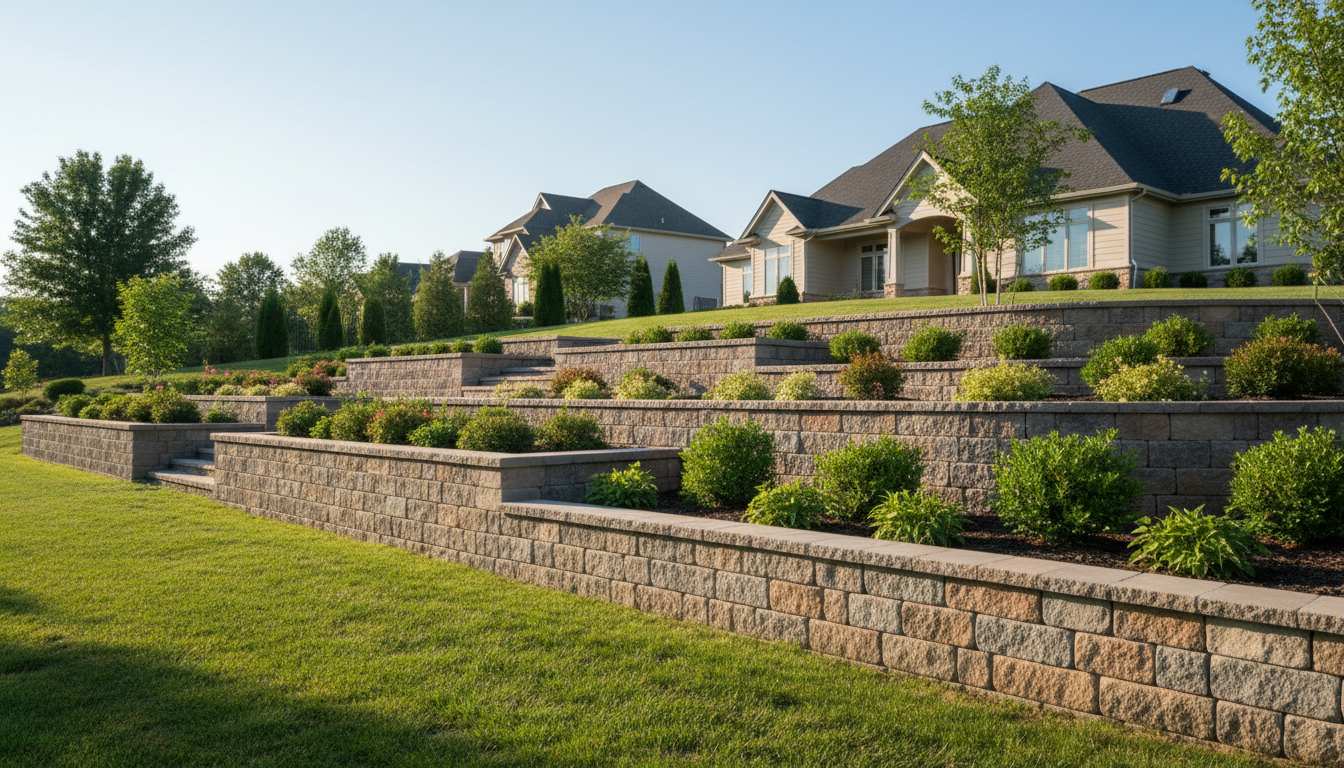
Proper planning and design are the foundation of a successful retaining wall project. Consider the purpose of the wall, the type of soil, and the amount of water drainage required. It's also important to check local building codes and regulations to ensure compliance. Consulting with a landscape architect can provide valuable insights and help streamline the process.
Choosing the Right Materials
The materials you choose for your retaining wall can significantly impact its durability and appearance. Options include concrete blocks, natural stone, brick, and timber. Each material has its advantages, such as the natural aesthetic of stone or the uniformity and ease of installation of concrete blocks. Consider the style of your home and garden when selecting materials.
Construction Techniques
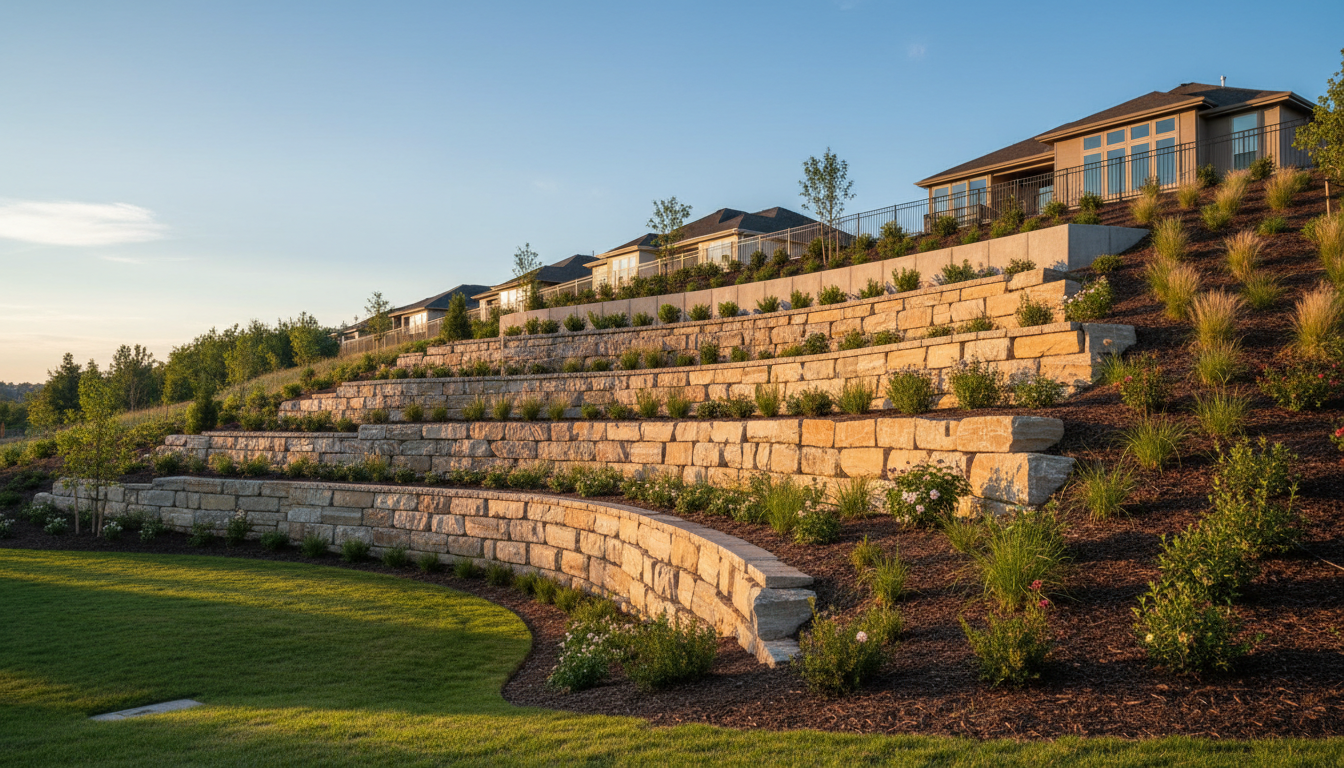
Building a retaining wall on a slope requires specific construction techniques to ensure stability and longevity. One popular method is the stepped foundation approach, which helps distribute weight evenly. Additionally, incorporating a proper drainage system is crucial to prevent water buildup behind the wall, which can lead to structural failure.
Ensuring Stability and Safety
Stability is of utmost importance when constructing retaining walls. Reinforcement options, such as geogrid or steel bars, can be used to strengthen larger walls. It's also essential to compact the soil properly and use gravel backfill to enhance drainage. Regular inspection and maintenance will help identify any signs of wear or damage early on.
Managing Water Effectively
Water management is a critical aspect of building retaining walls. Installing drainage pipes and weep holes can help direct water away from the wall. Additionally, using a waterproofing membrane can prevent water from seeping into the wall structure, reducing the risk of erosion and prolonging the wall's lifespan.
Professional Assistance and DIY Considerations
While DIY enthusiasts may be tempted to tackle retaining wall projects themselves, professional assistance is often recommended for complex or large-scale projects. Hiring a professional ensures that the wall is designed and constructed to industry standards, providing peace of mind and reducing the risk of costly repairs in the future.
Conclusion
Building retaining walls on sloping residential blocks is a challenging yet rewarding task that can significantly enhance your property's functionality and aesthetics. By following expert tips and considering professional help, you can create a stable and visually appealing structure that meets your needs. Remember, planning and proper execution are key to a successful retaining wall project.