How Proper Drainage Ensures Longevity for Retaining Walls
JW
Understanding the Importance of Proper Drainage
Retaining walls are essential structures used to hold back soil and prevent erosion in various landscapes. While they provide significant benefits, their longevity largely depends on one crucial factor: proper drainage. Without it, retaining walls can suffer from pressure buildup, leading to potential failure.
Proper drainage ensures that water does not accumulate behind the wall. This is vital because water pressure increases the load on the retaining wall, which could eventually cause it to collapse. Therefore, understanding how to implement effective drainage solutions is key to maintaining the structural integrity of your retaining wall.
Components of a Good Drainage System
A robust drainage system for retaining walls typically includes several components working together. Here are the main elements:
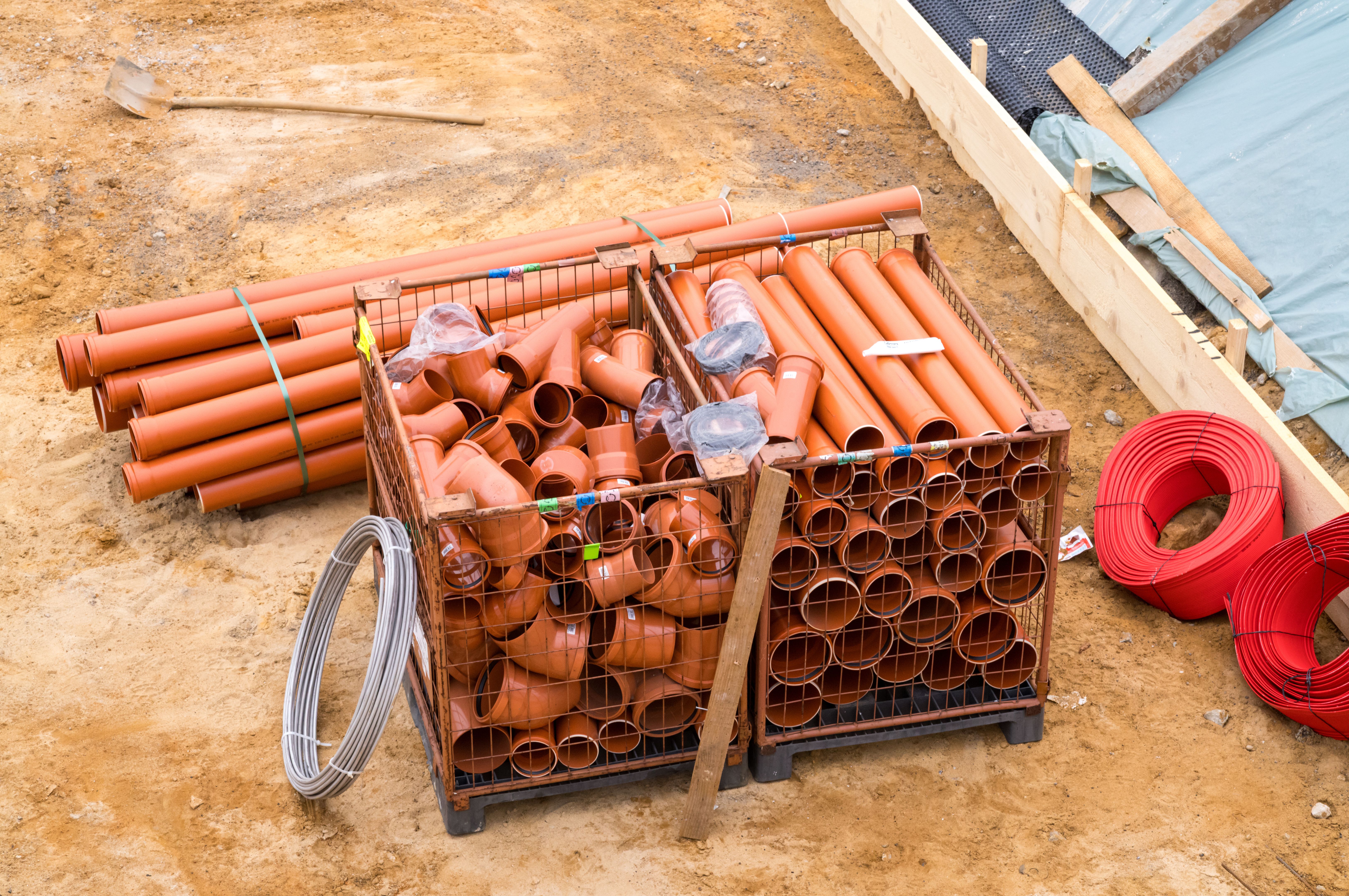
- Drainage Pipes: Installed at the base, these pipes help redirect water away from the wall.
- Gravel Backfill: This layer allows water to flow freely to the drainage pipes without exerting pressure on the wall.
- Weep Holes: These small openings in the wall permit water to escape, reducing hydrostatic pressure.
Each of these components plays a critical role in ensuring that water does not compromise the wall's stability. By combining these elements, you can effectively manage water flow and preserve the wall's durability.
Benefits of Proper Drainage
Implementing an effective drainage system offers numerous benefits beyond simply preserving the wall. Here are some advantages:
- Prevents Erosion: By controlling water flow, proper drainage helps prevent soil erosion around the retaining wall.
- Reduces Maintenance Costs: A well-drained wall requires less frequent repairs, saving time and money.
- Enhances Aesthetic Appeal: Proper drainage ensures that the wall remains upright and visually appealing over time.
These benefits underscore the importance of investing in a quality drainage system for any retaining wall project.

Common Mistakes to Avoid
When it comes to drainage, certain mistakes can undermine the effectiveness of your system. Here are some common pitfalls to watch out for:
- Inadequate Backfill: Using insufficient or incorrect backfill material can impede proper drainage.
- Poor Pipe Installation: Pipes not properly sloped or positioned can lead to water accumulation.
- Ignoring Maintenance: Regularly checking and cleaning drainage components is crucial for long-term performance.
Avoiding these mistakes will help ensure that your retaining wall remains strong and functional for years to come.
Conclusion
Proper drainage is not just a supplementary feature; it's a fundamental aspect of retaining wall design. By implementing a comprehensive drainage system, you safeguard your investment and ensure that your retaining wall remains a reliable and attractive part of your landscape.
Whether you're constructing a new wall or maintaining an existing one, prioritizing drainage is essential for longevity. A well-drained retaining wall is a resilient one, capable of withstanding the test of time.