How Proper Drainage Systems Enhance Retaining Wall Longevity
JW
Understanding Retaining Walls
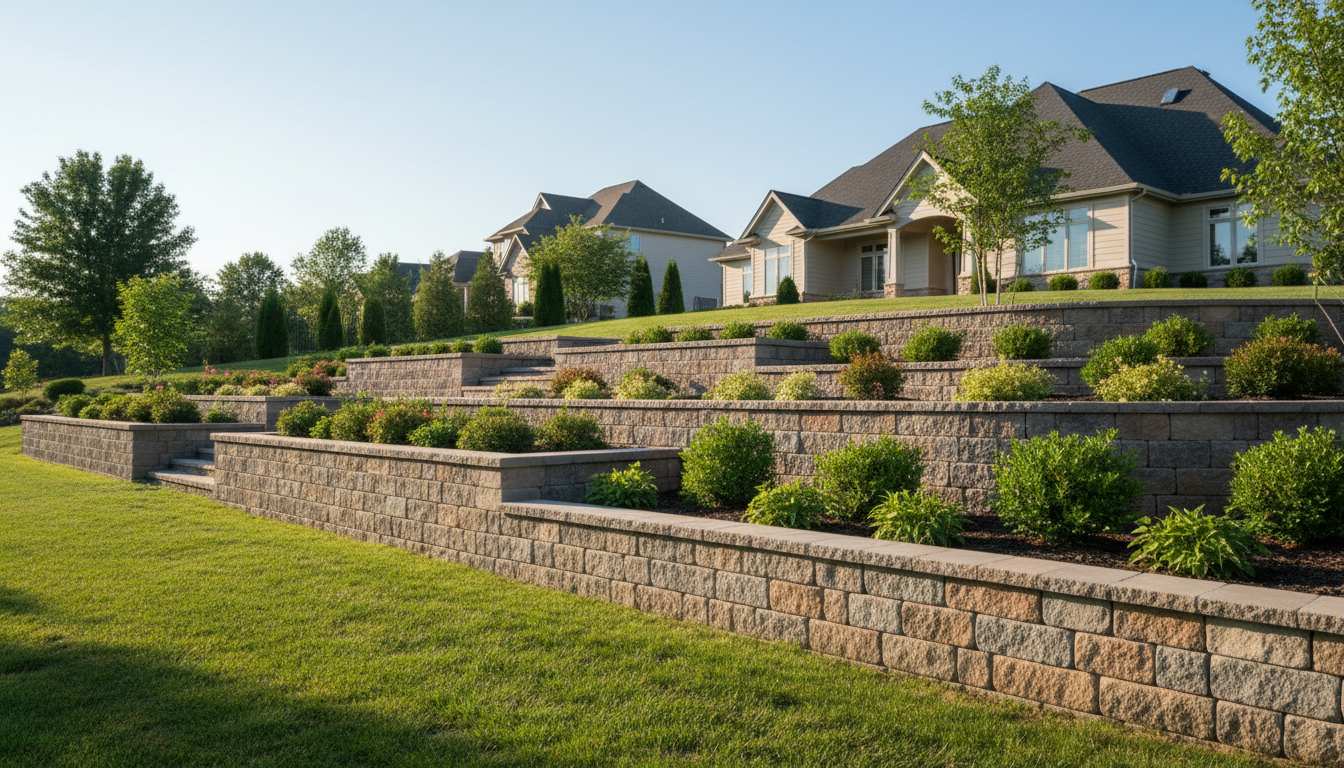
Retaining walls serve a crucial purpose in landscaping and construction, providing essential support to prevent soil erosion and manage land slopes. Without these structures, properties could face significant damage due to shifting soil and water runoff. However, the longevity of retaining walls is heavily influenced by the effectiveness of their drainage systems.
Proper drainage is not just a complementary aspect; it's a fundamental component of retaining wall design. Without it, water can accumulate behind the wall, increasing pressure and potentially causing failure.
The Importance of Drainage Systems
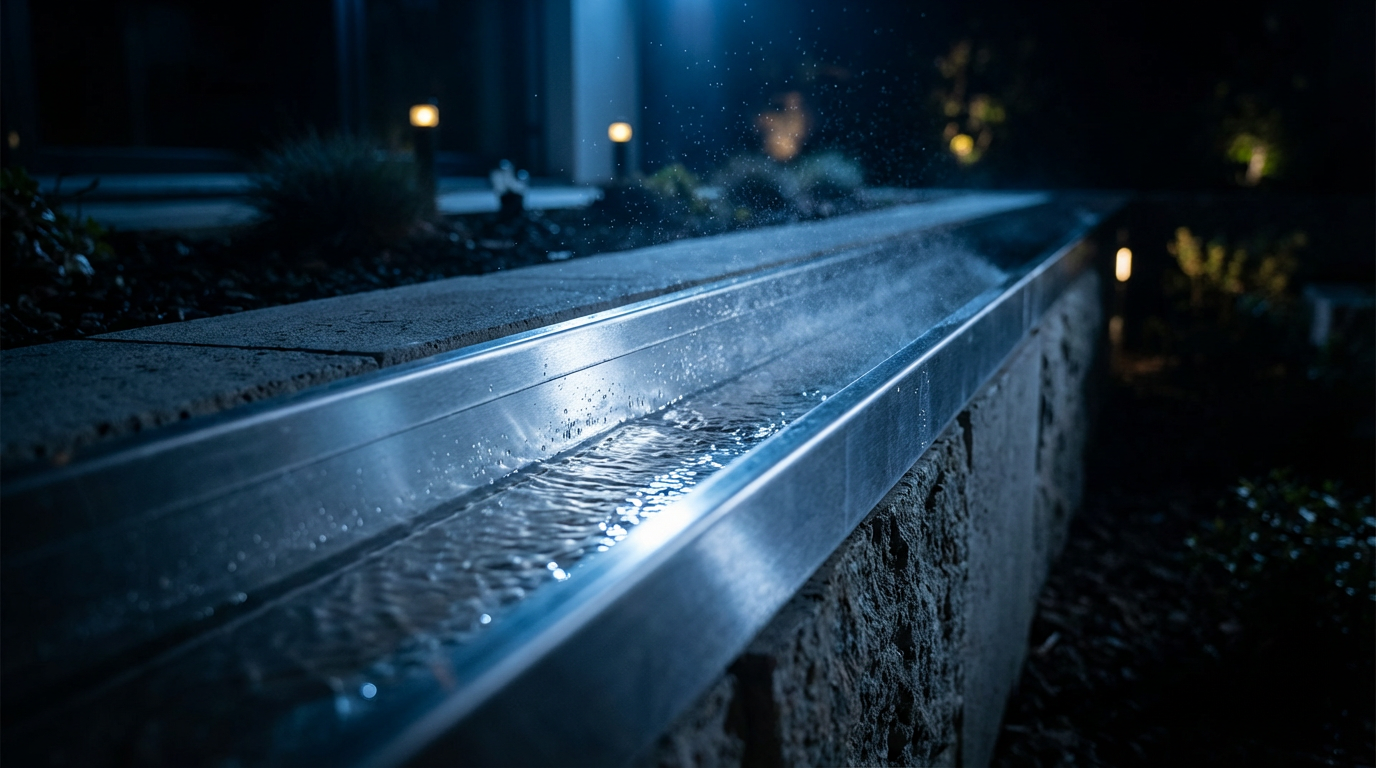
Drainage systems are designed to manage water flow, ensuring that water does not build up behind the wall and exert excessive pressure. This is achieved through various methods that direct water away from the wall, maintaining its structural integrity.
Implementing an effective drainage system can significantly extend the life of a retaining wall. It reduces the risk of cracks, bulges, and even collapse, which can occur if water pressure becomes too great.
Types of Drainage Systems
There are several types of drainage systems that can be utilized to protect retaining walls:
- Weep holes: These are small openings placed at the base of the wall to allow trapped water to escape.
- French drains: These are gravel-filled trenches with a perforated pipe that redirects water away from the wall.
- Drainage blankets: Layers of gravel or other permeable materials placed behind the wall to facilitate water flow.
Benefits of Proper Drainage
Investing in a well-designed drainage system offers numerous benefits:
- Prevents water damage: By reducing hydrostatic pressure, drainage systems prevent water-related damage.
- Enhances stability: Proper drainage maintains the structural stability of the wall.
- Reduces maintenance costs: By preventing damage, these systems lower the need for frequent repairs.
Installation Best Practices
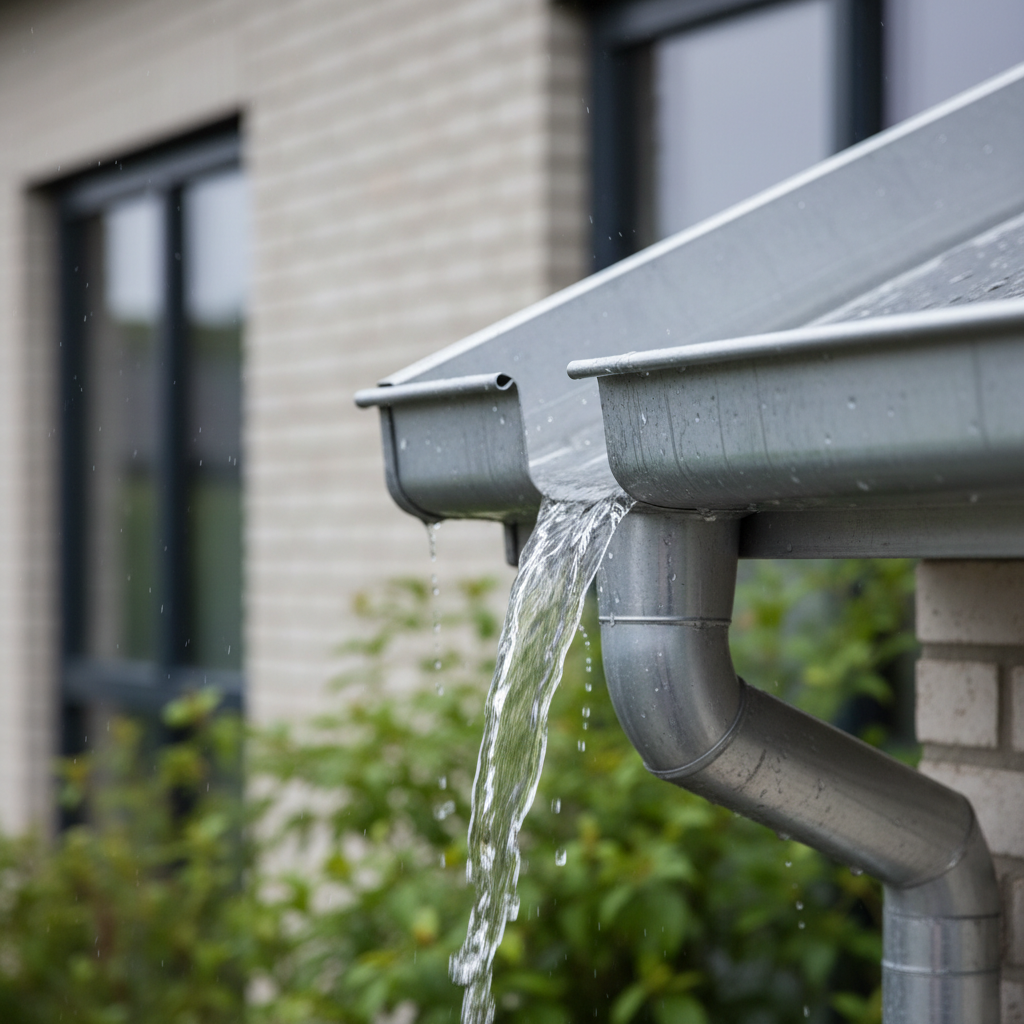
To maximize the effectiveness of drainage systems, proper installation is key. It is crucial to consider factors such as soil type, wall height, and climate conditions. Consulting with professionals can ensure that the system is tailored to the specific needs of the property.
Regular maintenance checks are also important to ensure that the drainage system remains functional. This includes clearing blockages and inspecting the structural health of the wall.
Conclusion
Incorporating proper drainage systems is essential for the longevity of retaining walls. By effectively managing water flow, these systems protect against structural damage and ensure that the walls remain durable over time. Investing in quality drainage solutions ultimately saves time and money, providing peace of mind for property owners.