How Proper Drainage Systems Enhance Retaining Wall Performance
JW
The Importance of Drainage in Retaining Wall Construction
Retaining walls are essential structures used to hold back soil and prevent erosion, but their effectiveness largely depends on the drainage systems implemented. Without proper drainage, water pressure can build up behind the wall, leading to structural failure. Therefore, understanding how drainage systems enhance retaining wall performance is crucial for any construction project.

How Water Affects Retaining Walls
Water is one of the biggest threats to retaining walls. When water accumulates behind the wall, it increases the pressure exerted on the structure. Over time, this can lead to cracks, bulging, or even a complete collapse. This makes drainage systems not just an optional feature but a necessary component of retaining wall design.
Types of Drainage Systems for Retaining Walls
There are several types of drainage systems that can be used to protect retaining walls, each serving different purposes. The most common systems include:
- Weep Holes: These are small openings that allow water to escape from behind the wall.
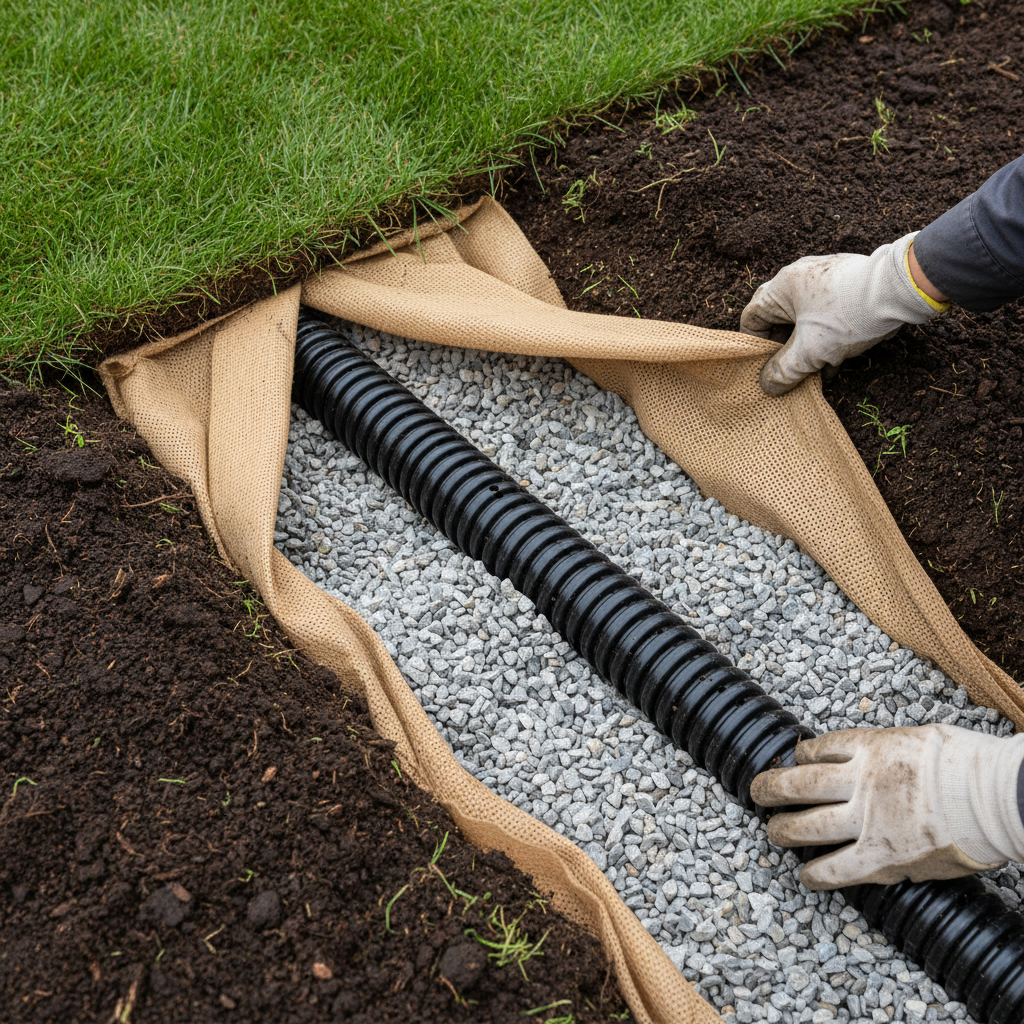
- French Drains: A gravel-filled trench with a perforated pipe that redirects water away from the wall.
- Drainage Channels: These are built into the wall itself to guide water safely away.
The Role of Backfill Material
The type of material used to backfill behind the retaining wall also plays a significant role in drainage. Materials like gravel and crushed stone are ideal because they allow water to pass through quickly, reducing the risk of pressure buildup. This contrasts with clay and other dense materials that can trap water.
Benefits of Proper Drainage Systems
Implementing a proper drainage system offers numerous benefits beyond just maintaining the structural integrity of the retaining wall. These benefits include:
- Longevity: Proper drainage extends the lifespan of the wall by preventing water-related damages.
- Cost-Effectiveness: Avoiding repairs or replacements saves money in the long run.
- Safety: Reduced risk of wall failure means enhanced safety for surrounding areas.

Conclusion
In conclusion, drainage systems are a vital component of retaining wall performance. They prevent water accumulation, reduce pressure on the structure, and significantly extend the life and safety of the wall. Whether through weep holes, French drains, or proper backfill materials, ensuring effective drainage is an investment in both the durability and functionality of your retaining wall.