How Quality Engineering Ensures Retaining Wall Longevity
JW
The Importance of Quality Engineering in Retaining Walls
Retaining walls are crucial structures in both residential and commercial landscapes. Their primary purpose is to hold back soil, preventing erosion and landslides. However, the longevity of these walls significantly depends on the quality of engineering behind their construction. A well-engineered retaining wall not only stands the test of time but also enhances the aesthetic value of the property.
Quality engineering ensures that retaining walls are built to withstand environmental pressures and human activities. Engineers consider various factors such as soil type, drainage, and load-bearing capacity, which are pivotal in determining the wall's durability.

Key Components of Quality Engineering
Soil Analysis and Preparation
The first step in constructing a durable retaining wall is thorough soil analysis. Engineers must understand the soil's properties, such as its type, density, and moisture content. This information is vital in deciding the appropriate materials and construction techniques. Proper soil preparation, including compaction, is essential to provide a stable foundation.
Material Selection
Choosing the right materials is another critical aspect. The materials must be strong enough to handle the pressure exerted by the retained soil. Common materials include concrete, stone, and timber. Each material has its advantages and limitations, so the choice often depends on the specific requirements of the site and project.
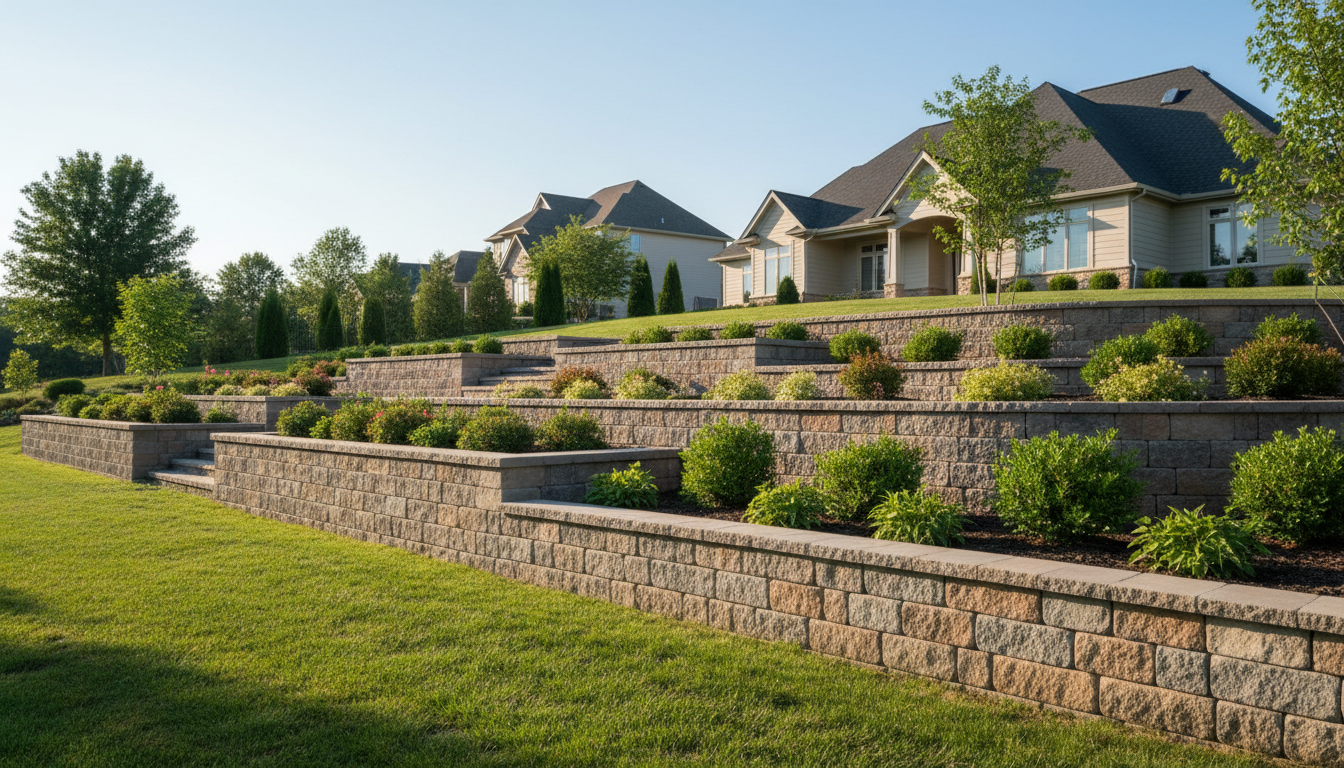
Design and Construction Techniques
Effective Drainage Systems
One of the leading causes of retaining wall failure is inadequate drainage. Quality engineering incorporates effective drainage systems to prevent water buildup behind the wall. This can include gravel backfill, weep holes, and drainage pipes, which help to reduce hydrostatic pressure.
Structural Integrity and Reinforcement
To ensure the wall's strength, engineers employ various reinforcement techniques. These can include the use of geogrids or steel reinforcements, which provide additional support and distribute loads evenly. Proper reinforcement is crucial to prevent cracking and bulging over time.
Maintenance and Monitoring
Even the best-engineered retaining walls require regular maintenance and monitoring. Routine inspections help identify potential issues such as cracks or water accumulation, allowing for timely interventions. Maintenance may involve cleaning drainage systems, repairing minor damages, and ensuring vegetation does not compromise the wall's structure.
By investing in quality engineering, property owners can ensure their retaining walls remain robust and functional for decades. This investment not only safeguards the property but also enhances its value and aesthetic appeal.