How to Ensure Longevity in Your Retaining Wall Project
JW
Understanding the Importance of Retaining Walls
Retaining walls are not just aesthetic features; they play a vital role in managing landscapes, preventing erosion, and maximizing usable space on sloped terrains. Ensuring the longevity of your retaining wall project is crucial to maintain its functionality and beauty over time.
Choosing the Right Materials
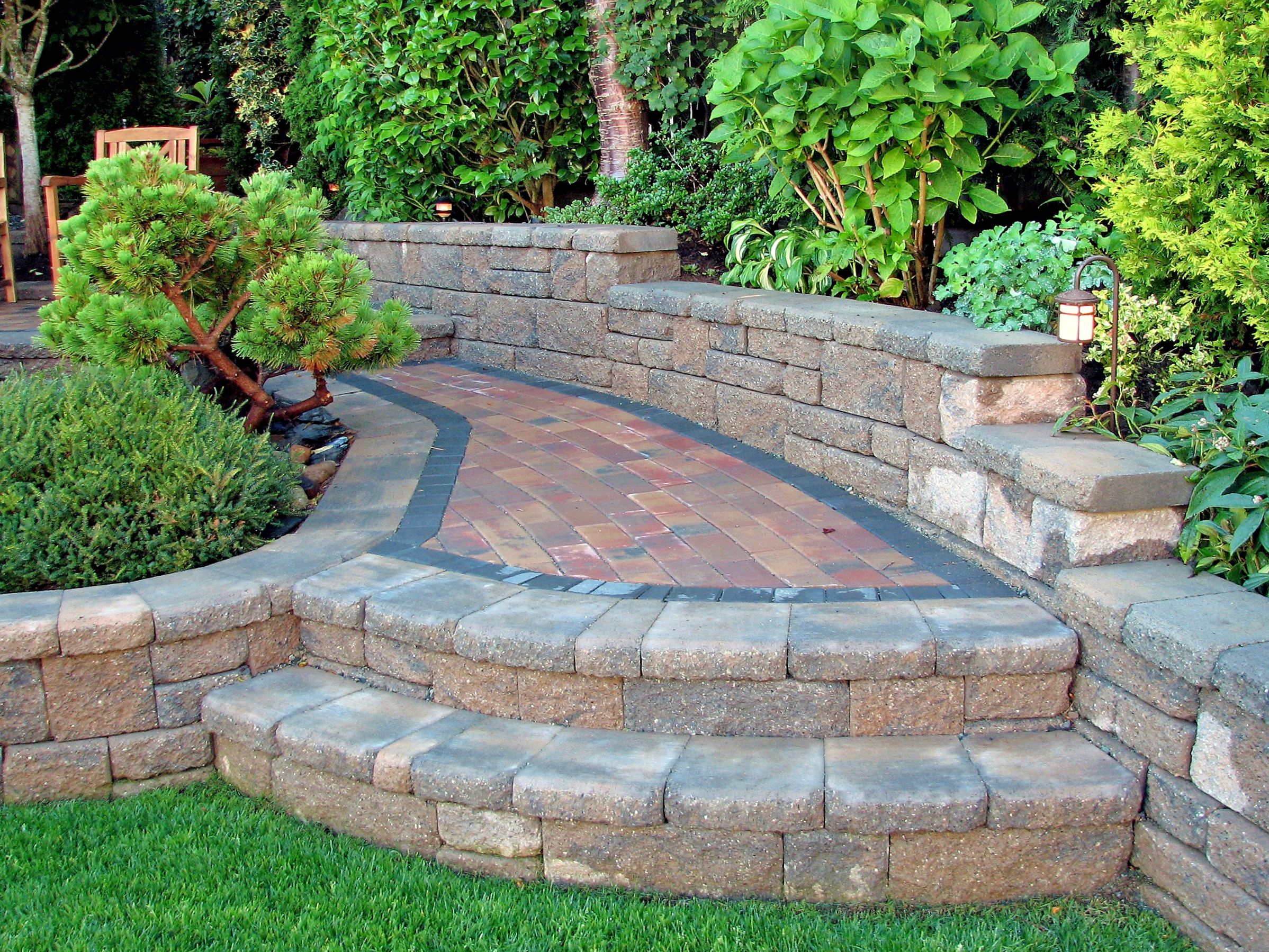
The durability of your retaining wall begins with selecting the appropriate materials. Consider factors such as climate, soil type, and the wall's intended purpose. Common materials include concrete blocks, natural stone, and timber. Each has its own benefits and lifespan, so choose wisely based on your specific needs.
Proper Design and Planning
A well-designed retaining wall accounts for the natural slope of the land, drainage requirements, and load-bearing needs. Consulting with a professional engineer or landscape architect can help ensure your wall is designed to withstand environmental pressures and last for decades.
Ensuring Proper Drainage
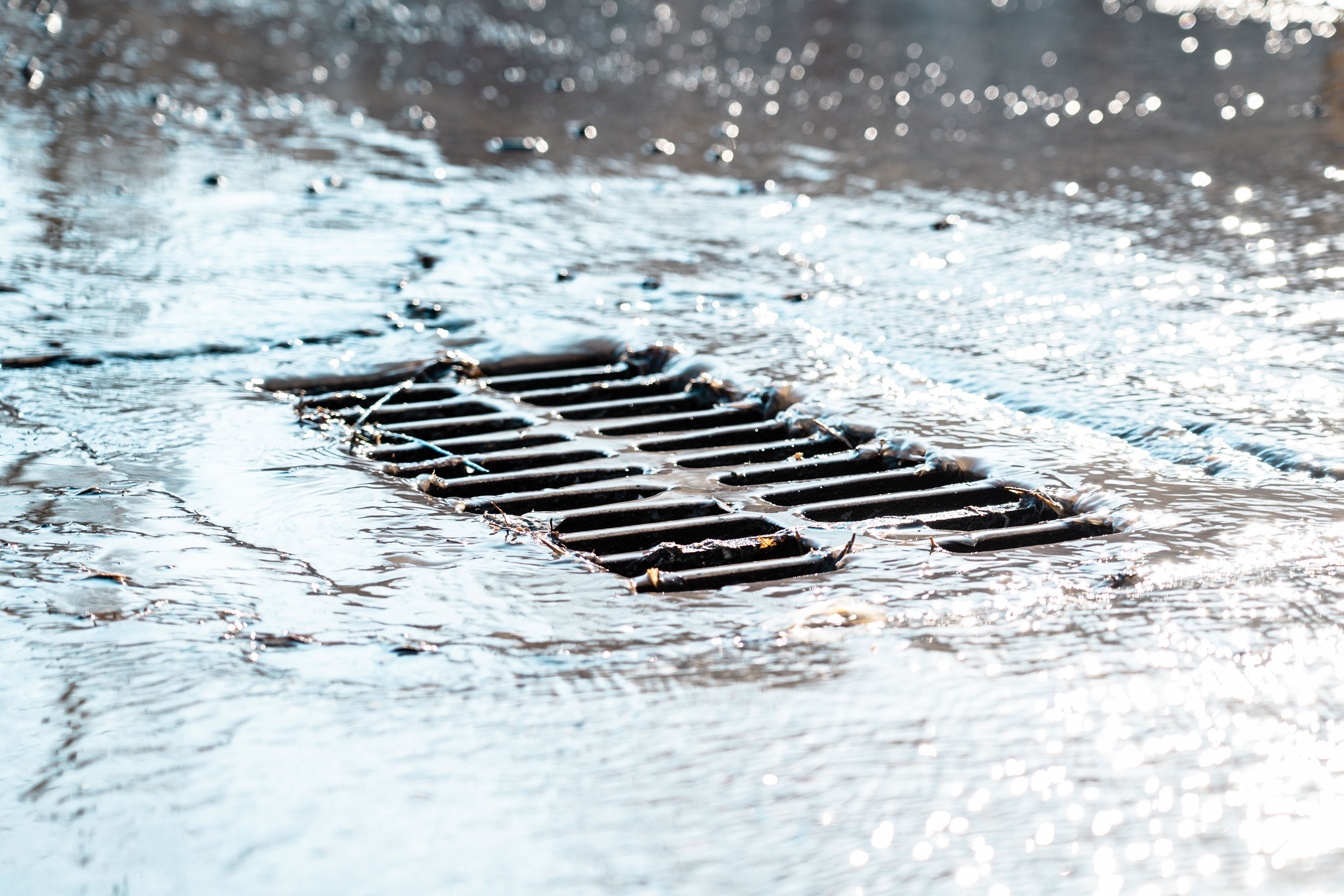
One of the most critical aspects of retaining wall longevity is effective drainage. Water buildup behind the wall can cause hydrostatic pressure, leading to cracks or even wall failure. Install drainage solutions like gravel backfill and perforated pipes to manage water flow.
Regular Maintenance Practices
Even the best-built walls require regular maintenance to ensure their longevity. Inspect your wall periodically for signs of wear, such as cracks or leaning. Address any issues promptly to prevent them from worsening. Clean the wall surface and remove any debris that might trap moisture.
Landscaping Considerations
Incorporating the right plants can enhance the appearance and functionality of your retaining wall. Opt for native plants with deep roots that can help stabilize the soil. However, avoid large trees or shrubs near the wall, as their roots can exert pressure and cause damage over time.
Utilizing Geogrid Reinforcement
Incorporating geogrid reinforcement can significantly extend the lifespan of your retaining wall. This technique involves embedding a grid-like material within the soil to improve stability and prevent wall movement. It's particularly useful for taller walls or those supporting heavy loads.
Understanding Local Regulations
Before beginning your project, familiarize yourself with local building codes and regulations. Some areas may have specific requirements for retaining wall construction, including permits or height restrictions. Compliance not only ensures safety but also protects you from potential legal issues.
By following these guidelines and investing in quality materials and design, your retaining wall can stand strong for many years, providing both functionality and aesthetic appeal to your property.