Navigating Local Regulations for Retaining Wall Construction in South Australia
JW
Building a retaining wall in South Australia requires careful consideration of local regulations. These guidelines ensure safety, environmental protection, and aesthetic harmony within communities. Understanding these regulations is crucial for a smooth construction process.
Understanding Local Regulations
Before starting your retaining wall project, it's essential to familiarize yourself with the local council's regulations. These rules can vary significantly between regions. Generally, any wall over a certain height may require approval from your local council. Always check the specific requirements in your area to avoid any legal issues.
Consulting with a local expert or contractor can provide valuable insights. They can help navigate the complexities of the approval process and ensure compliance with all necessary regulations.
Planning and Approvals
For retaining walls exceeding a certain height, typically around one meter, you will likely need to submit plans for approval. This process may involve:
- Submitting detailed plans and specifications of the proposed wall.
- Providing engineering reports to demonstrate structural integrity.
- Obtaining consent from neighboring properties if the wall is on or near a boundary.
Ensuring all paperwork is complete and accurate will facilitate a smoother approval process. Missing or incorrect information can lead to delays.

Materials and Design Considerations
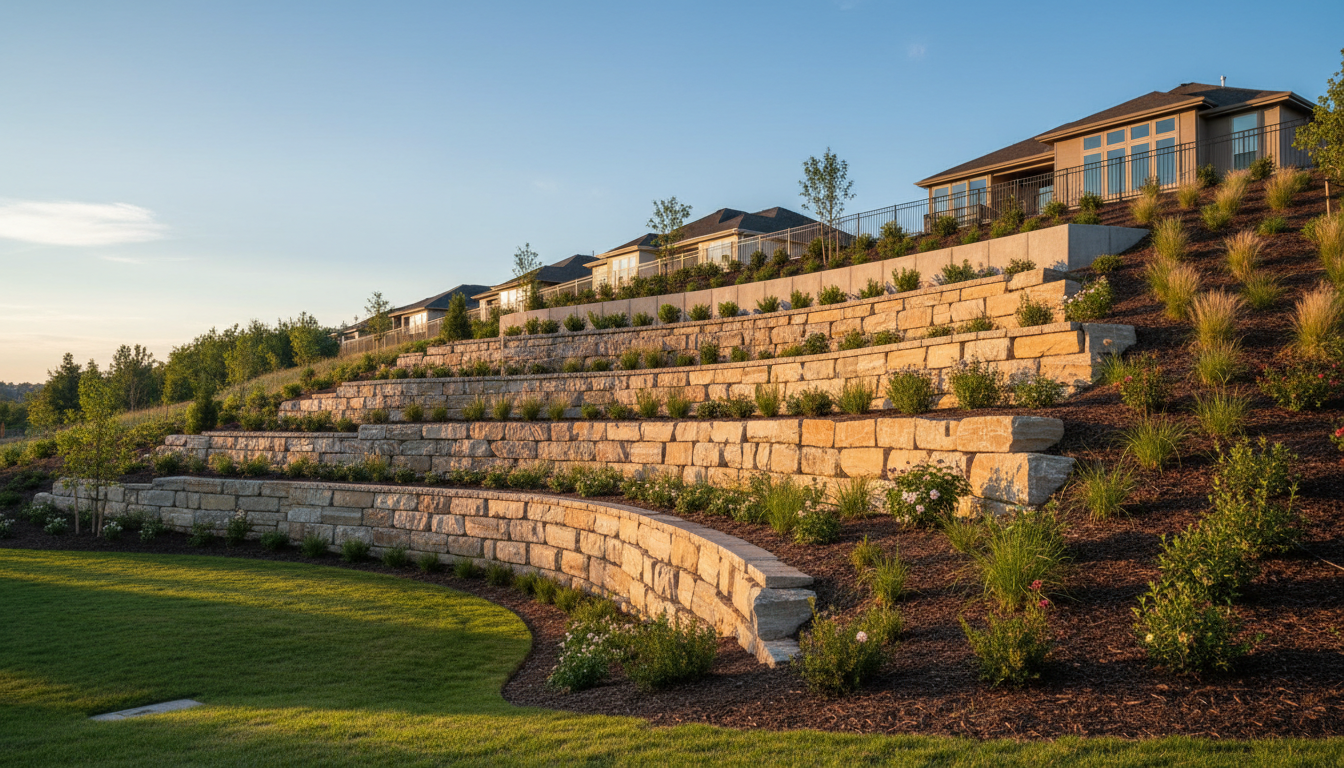
The choice of materials and design can impact the approval process. In South Australia, it's crucial to select materials that are not only aesthetically pleasing but also environmentally sustainable. Consider using locally sourced materials to reduce environmental impact.
Design considerations should also include drainage systems to prevent water buildup, which can compromise the wall's stability. Proper drainage is not just a design preference; it is often a regulatory requirement.
Working with Professionals
Engaging with professionals such as engineers, architects, and licensed builders can significantly ease the process. They bring expertise and understanding of both the technical and regulatory aspects of retaining wall construction.
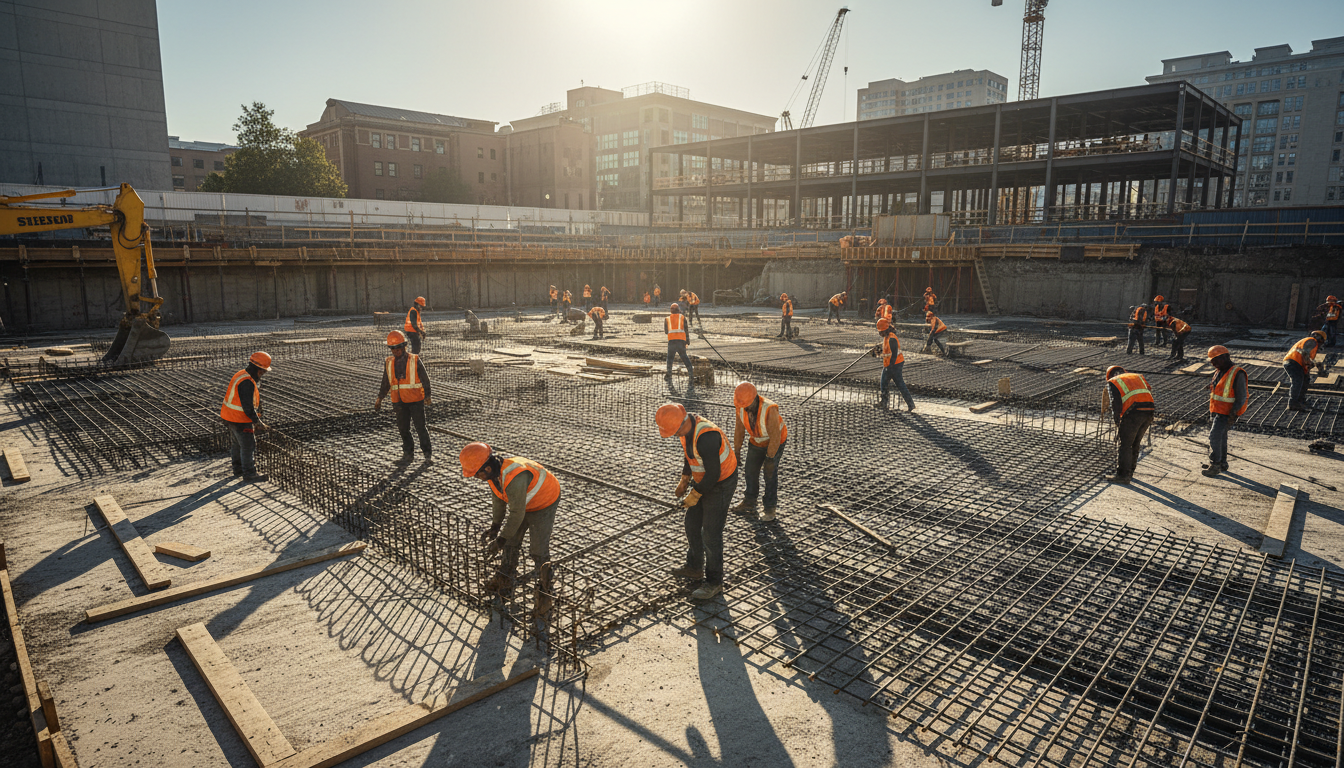
Professionals can also help with site assessments, ensuring that the ground conditions are suitable for your proposed wall. This assessment is critical for long-term stability and compliance with safety standards.
Environmental and Aesthetic Impact
Consider the environmental impact of your retaining wall. South Australian regulations often emphasize the importance of maintaining natural habitats and landscapes. Your design should aim to minimize disruption to existing flora and fauna.
Aesthetic considerations are also important. Your retaining wall should complement the surrounding environment. This not only helps in gaining approval but also enhances the overall appeal of your property.
Conclusion
Navigating local regulations for retaining wall construction in South Australia may seem daunting, but with the right information and professional guidance, it can be a straightforward process. By understanding and adhering to these regulations, you can ensure a successful and compliant project.
Remember to stay informed and proactive, seeking professional help when necessary to make your retaining wall project a success.