Preparing Your Property for a Retaining Wall: Essential Steps Before Construction
JW
Understanding the Importance of Preparation
Before diving into the construction of a retaining wall, it's crucial to prepare your property adequately. Proper preparation not only ensures the structural integrity of the wall but also enhances its longevity. Taking the time to address necessary steps can prevent future issues and costly repairs.
A retaining wall serves both functional and aesthetic purposes. It stabilizes soil, prevents erosion, and can add a visually appealing element to your landscape. However, without proper preparation, these benefits can quickly turn into inconveniences.

Assessing Your Property
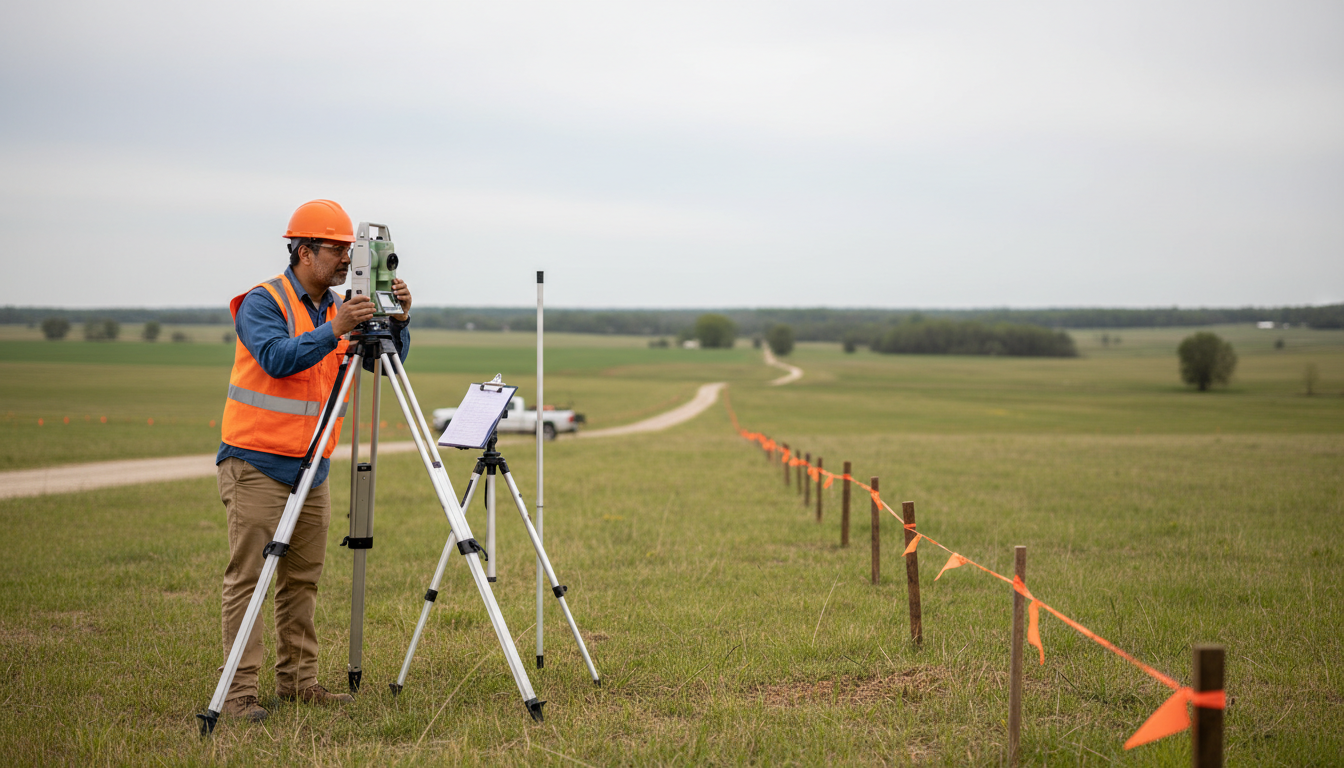
The first step in preparing for a retaining wall is assessing your property. This involves understanding the soil type, slope, and drainage patterns. Different soils have different bearing capacities, which can affect the type of wall you need.
Consider the slope of the land where you plan to build. Steeper slopes may require more robust construction techniques. Additionally, examining natural drainage patterns will help in designing a wall that manages water flow effectively.
Consulting with Professionals
While some homeowners may opt for DIY projects, consulting with a professional can provide valuable insights. A professional can conduct a thorough site analysis and offer recommendations tailored to your property’s specific needs.
Designing Your Retaining Wall
Design is a critical component when preparing for a retaining wall. Decide on the type of wall that best suits your needs, whether it's gravity, cantilevered, or anchored. Each type has its own set of requirements and advantages.
Incorporate elements such as terracing or curves to enhance the wall’s aesthetic appeal. Be sure to plan the wall height and length carefully, as these factors will impact both its functionality and appearance.
Planning for Drainage
Proper drainage is essential to prevent water buildup behind the wall, which can lead to pressure buildup and potential failure. Include a drainage system such as weep holes, drainage pipes, or gravel backfill to facilitate water movement.

Obtaining Necessary Permits
Before construction begins, check with local authorities regarding required permits. Some areas have specific regulations regarding retaining wall construction, especially if the wall exceeds a certain height.
Obtaining the necessary permits ensures compliance with local building codes and can prevent legal issues down the road.
Preparing the Construction Site
Once you have the design and permits in place, it's time to prepare the construction site. Clearing the area of vegetation, debris, and any obstacles is essential for a smooth construction process.
Mark the layout of the wall using stakes and string lines. This will serve as a guide during excavation and construction, ensuring that the wall is built according to plan.
Gathering Materials and Equipment
Ensure that all necessary materials and equipment are on-site before starting construction. This includes wall materials, drainage components, and tools for excavation and building. Having everything ready will streamline the process and reduce delays.

By following these essential steps, you can ensure a successful retaining wall project that meets both functional requirements and aesthetic desires. Proper preparation sets the foundation for a durable and visually appealing structure that enhances your property for years to come.