The Importance of Proper Drainage Systems for Retaining Walls
JW
Understanding the Role of Drainage in Retaining Walls
Retaining walls are an essential part of landscape architecture, providing both aesthetic appeal and structural support. However, without a proper drainage system, these walls can quickly become compromised. Water buildup behind the wall creates hydrostatic pressure, which can cause the wall to bulge, crack, or even collapse. Proper drainage is crucial to ensure the longevity and stability of a retaining wall.
Drainage systems help manage water flow, preventing excessive pressure on the wall structure. By channeling water away, these systems maintain the integrity of the wall, protecting your investment and enhancing the safety of your property.
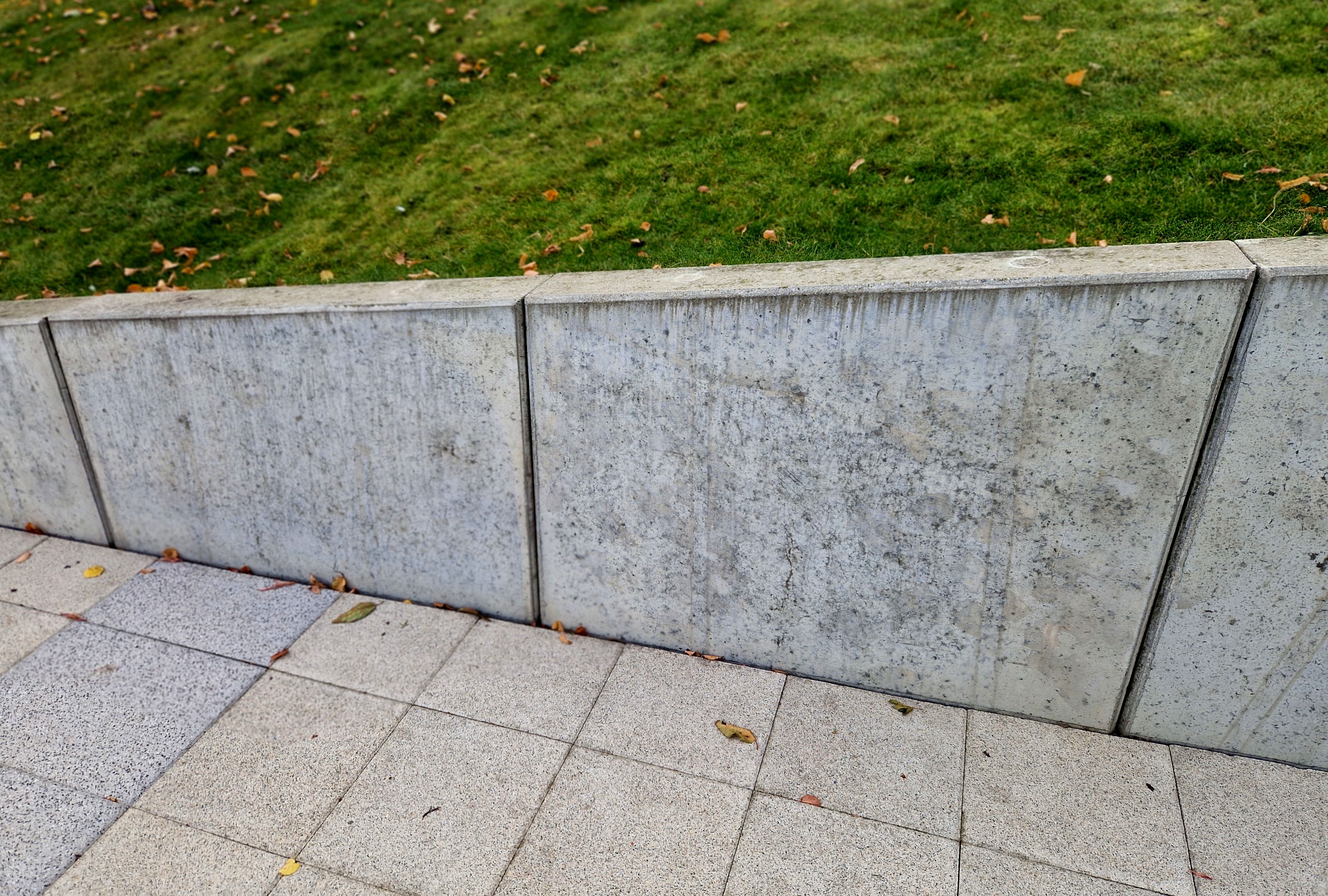
Components of an Effective Drainage System
A well-designed drainage system typically includes several key components. These elements work together to manage water efficiently:
- Drainage Pipes: Often placed at the base of the wall, these pipes collect and redirect water away from the structure.
- Gravel Backfill: Gravel allows for adequate water flow and reduces pressure on the wall.
- Weep Holes: Small openings in the wall that permit water to escape, reducing hydrostatic pressure.
The Role of Location and Design
The effectiveness of a drainage system largely depends on the wall's location and design. A retaining wall built on a slope, for example, requires a more robust drainage strategy compared to one on flat ground. Consideration of the surrounding landscape and environmental factors is essential during the design phase to ensure optimal water management.
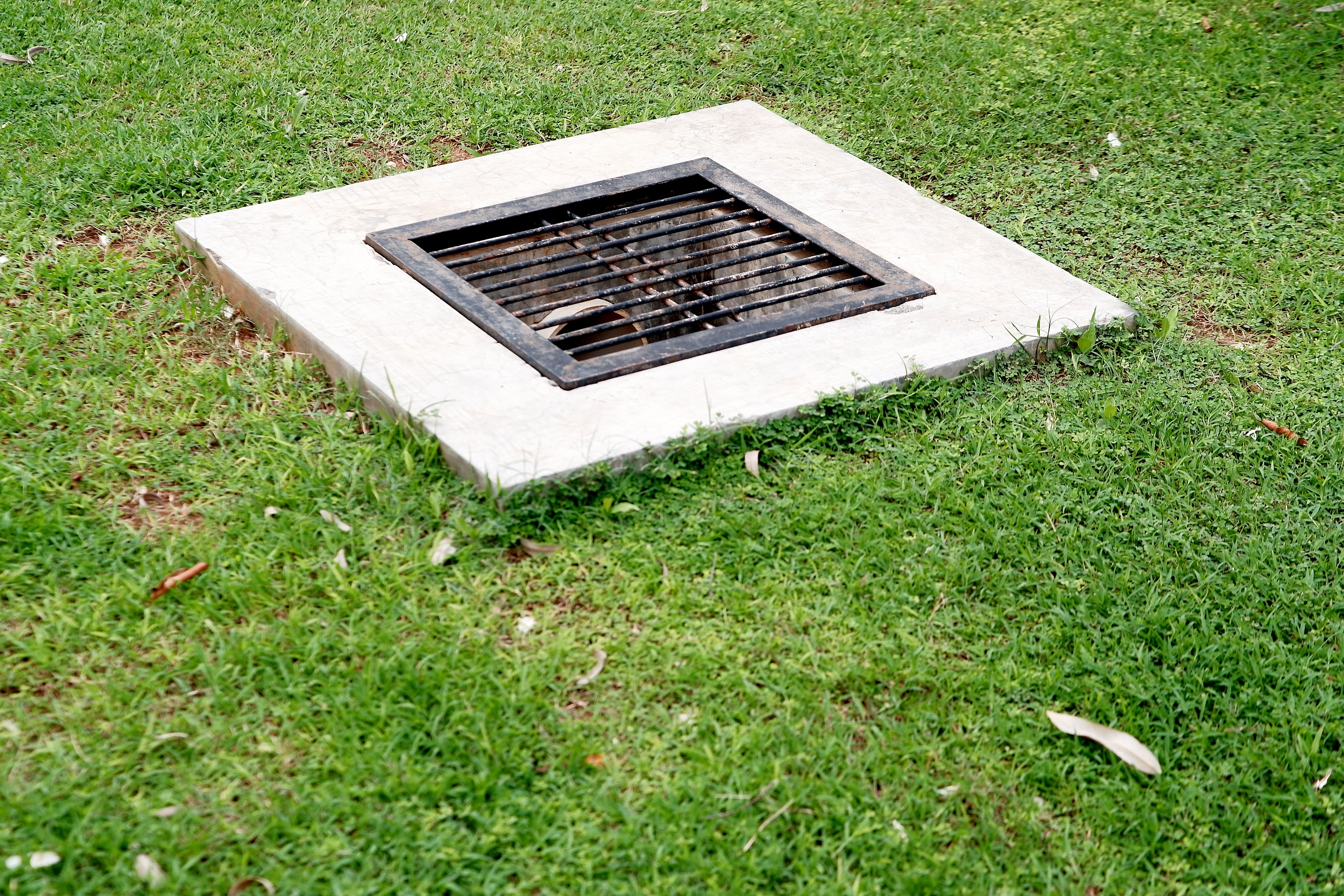
Consequences of Inadequate Drainage
Without proper drainage, retaining walls are susceptible to several issues. Water pooling behind the wall can lead to soil erosion, weakening the foundation. Over time, this can cause the wall to lean or collapse, posing a safety risk and leading to costly repairs.
Additionally, water damage can affect nearby structures, causing further complications. Therefore, investing in a reliable drainage system not only protects the wall but also the surrounding property.

Regular Maintenance and Inspections
Even with a well-installed drainage system, regular maintenance is vital. Inspecting the wall and its drainage components ensures everything is functioning correctly. Look for signs of water pooling or erosion, and clear any blockages in the drainage pipes or weep holes.
Routine checks can identify potential problems early, allowing for timely interventions that prevent more significant issues down the line. A proactive approach to maintenance helps extend the life of your retaining wall.
The Importance of Professional Installation
While some may attempt DIY solutions, professional installation of drainage systems is highly recommended. Experts have the knowledge and experience to design a system tailored to your specific landscape, ensuring maximum effectiveness.
By seeking professional assistance, you can rest assured that your retaining wall is equipped to handle water management challenges, providing peace of mind and protecting your investment for years to come.