The Importance of Proper Drainage Systems in Retaining Walls
JW
Understanding Retaining Walls
Retaining walls are crucial structures used in landscaping and construction to hold back soil and manage changes in ground elevation. They can transform a sloped yard into usable space, prevent erosion, and contribute to the aesthetic appeal of a property.

While retaining walls are built for strength and functionality, their long-term effectiveness heavily depends on one critical component: proper drainage. Without adequate drainage, even the most robustly constructed walls can succumb to pressure and fail.
The Role of Drainage Systems
A well-designed drainage system is essential for the structural integrity of retaining walls. Water accumulation behind a retaining wall can increase pressure on the wall, leading to cracks, bulges, or even complete failure. Drainage systems mitigate these risks by efficiently redirecting water away from the wall.
Some key components of an effective drainage system include:
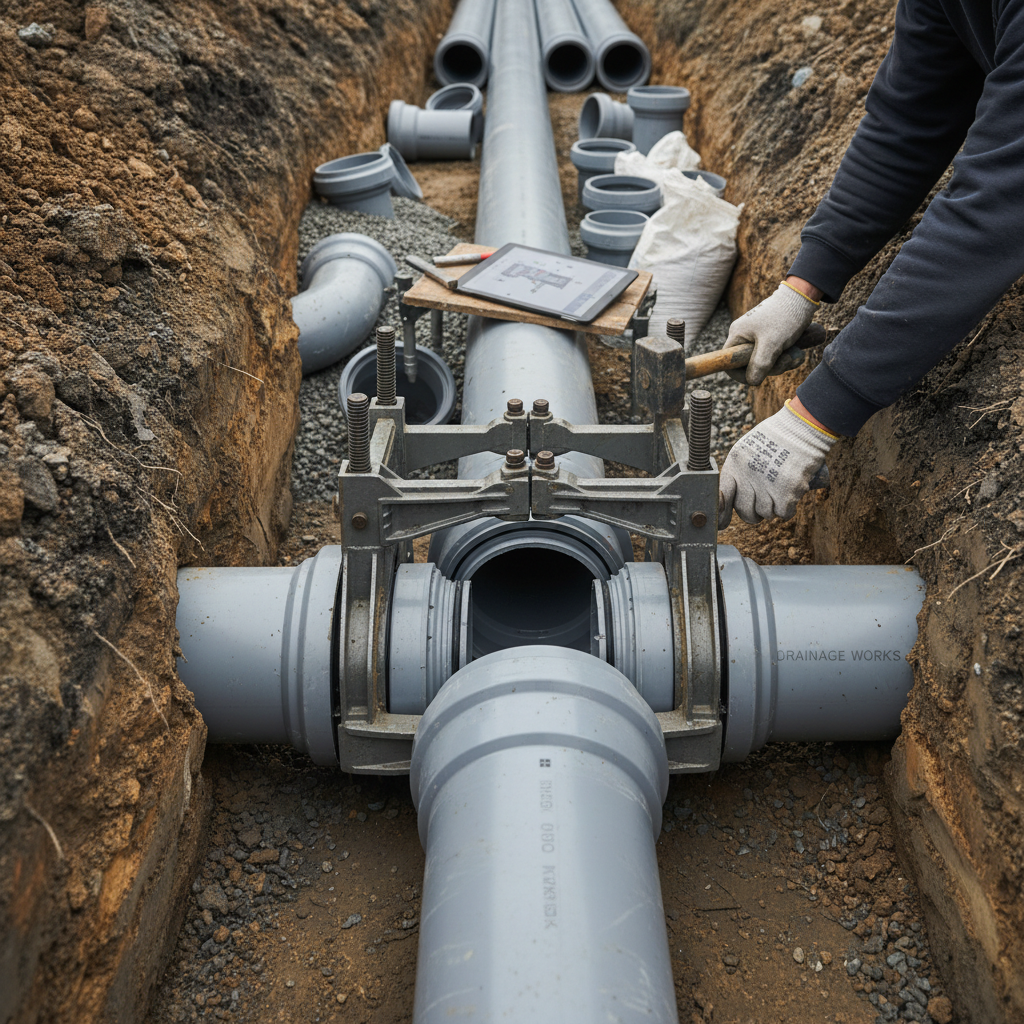
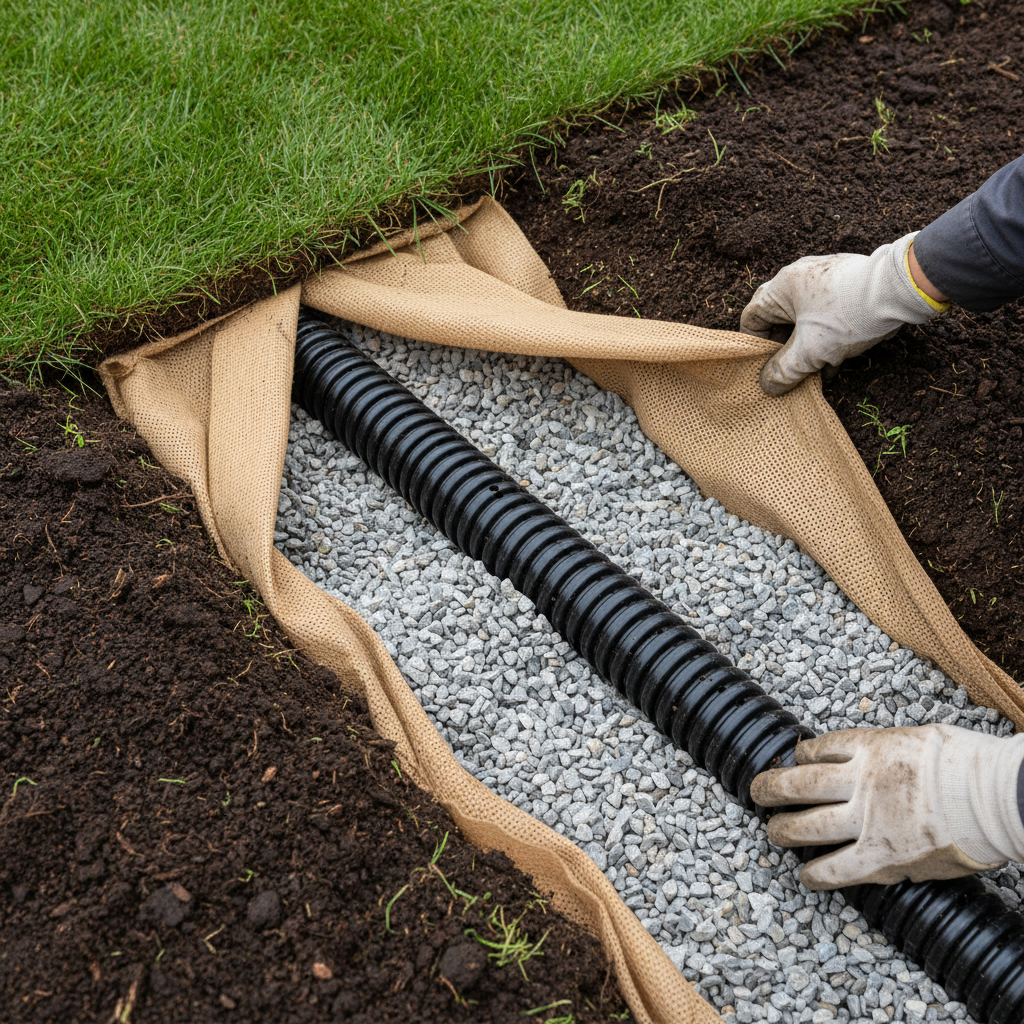
- Drainage Pipes: Perforated pipes placed at the base of the wall help channel water away.
- Gravel Backfill: A layer of gravel allows water to flow freely towards the drainage pipes.
- Weep Holes: These small openings at the bottom of the wall facilitate water escape.
Benefits of Proper Drainage
Implementing a well-planned drainage system offers several advantages. First, it significantly reduces the risk of wall failure by alleviating hydrostatic pressure. Additionally, it prevents soil erosion and maintains the structural integrity of the landscape.
Another benefit is the extension of the wall's lifespan. By preventing water damage and soil saturation, the wall remains strong and stable for years, thus protecting the investment in your landscape.
Common Drainage Mistakes
Despite the importance of proper drainage, common mistakes can undermine the effectiveness of retaining walls. One such mistake is neglecting regular maintenance. Over time, drainage pipes can become clogged with debris, reducing their efficiency.
Another frequent error is underestimating the amount of water that needs to be managed, leading to insufficient drainage capacity. It is crucial to assess the site conditions thoroughly and plan accordingly.
Conclusion
Incorporating an effective drainage system in retaining walls is not just a recommendation but a necessity. By understanding the importance of proper drainage, you ensure the longevity and effectiveness of your retaining walls, ultimately enhancing the value and beauty of your property.