The Importance of Structural Integrity in Retaining Wall Construction
JW
Understanding Structural Integrity
Structural integrity refers to the ability of a structure to withstand its intended load without experiencing failure or deformation. In retaining wall construction, ensuring structural integrity is crucial for the longevity and safety of the wall. Retaining walls are designed to hold back soil and prevent erosion, making their stability a top priority.
Failures in retaining wall construction can lead to significant damage to property and even pose safety risks. Therefore, it is essential to understand the components and factors that contribute to a wall's structural integrity.

Key Components of Structural Integrity
Several factors contribute to the structural integrity of retaining walls. These include:
- Material Selection: Choosing the right materials, such as concrete, stone, or timber, is crucial for durability and strength.
- Design: Proper engineering and design ensure that the wall can handle the soil pressure and environmental conditions.
- Drainage: Efficient drainage systems prevent water accumulation, which can weaken the wall's structure.
Each of these components plays a vital role in maintaining the wall's integrity and should not be overlooked during the construction process.
The Role of Proper Design
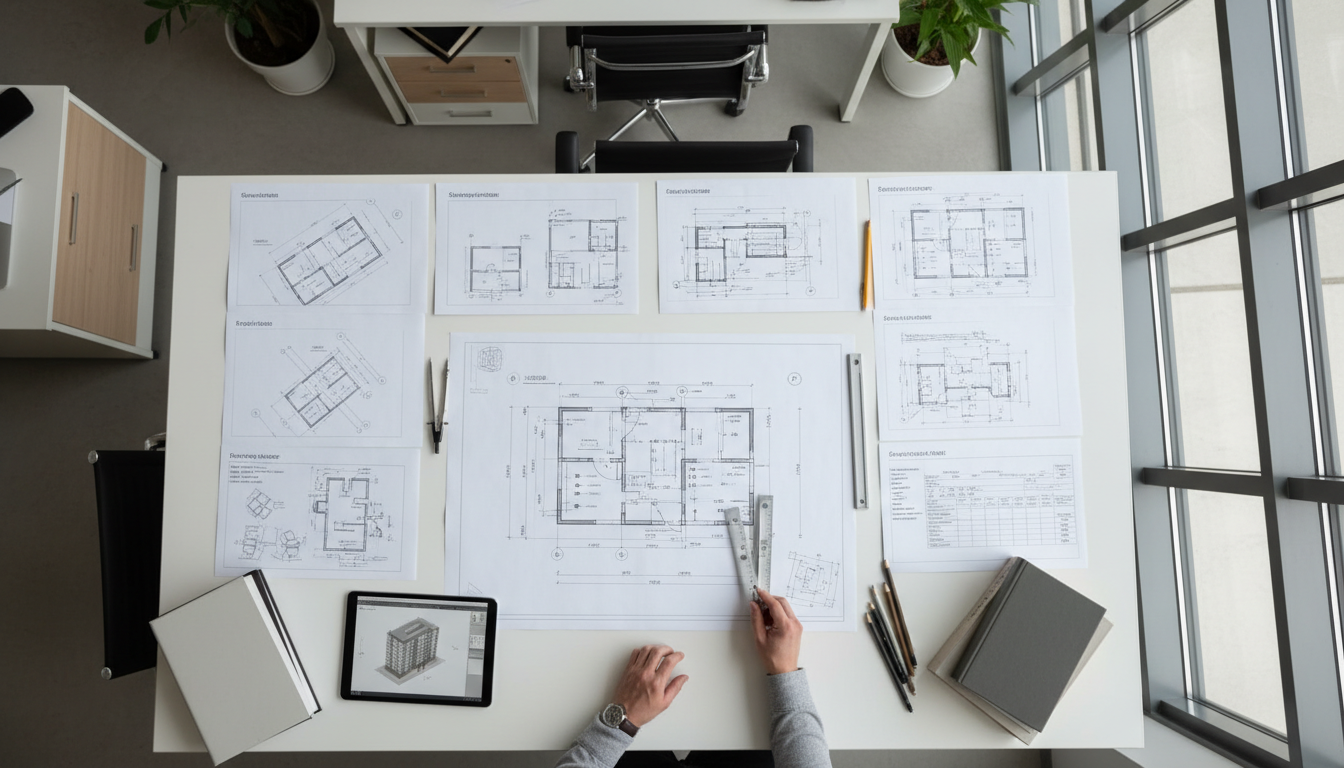
The design phase of retaining wall construction is where many critical decisions are made. Engineers must consider the wall's height, the type of soil it will retain, and the environmental conditions it will face. A well-designed wall will distribute pressure evenly and prevent shifting or collapse.
Incorporating geo-reinforcement, such as geogrids, can enhance stability by providing additional support. This reinforcement helps distribute loads and prevent the wall from tilting or bulging.
Importance of Drainage
Drainage is a fundamental aspect of maintaining structural integrity. Without proper drainage, water can accumulate behind the wall, increasing pressure and leading to potential failure. Installing drainage pipes and backfill materials that allow water to escape will significantly enhance the wall's longevity.
Regular maintenance checks should be conducted to ensure that drainage systems are functioning correctly and that no blockages are present.

Regular Maintenance and Inspections
Even the most robust retaining walls require regular maintenance to ensure they remain functional and safe. Inspections should be conducted to check for signs of wear, such as cracks, bulging, or leaning. Addressing these issues early can prevent more severe problems down the line.
By prioritizing regular maintenance, property owners can protect their investment and ensure the safety of their surroundings.
Conclusion
Ensuring the structural integrity of retaining walls is a complex but essential process. From material selection and design to drainage and maintenance, each step plays a critical role in the wall's performance. By understanding and implementing these elements, you can build a retaining wall that is both durable and reliable.