The Importance of Structural Integrity in Retaining Walls
JW
Understanding Structural Integrity
Structural integrity refers to the ability of a retaining wall to hold its intended shape and withstand the pressures exerted upon it. This is crucial for maintaining safety and functionality. Retaining walls are designed to restrain soil to a slope it would not naturally keep. Therefore, their strength and durability are non-negotiable factors.
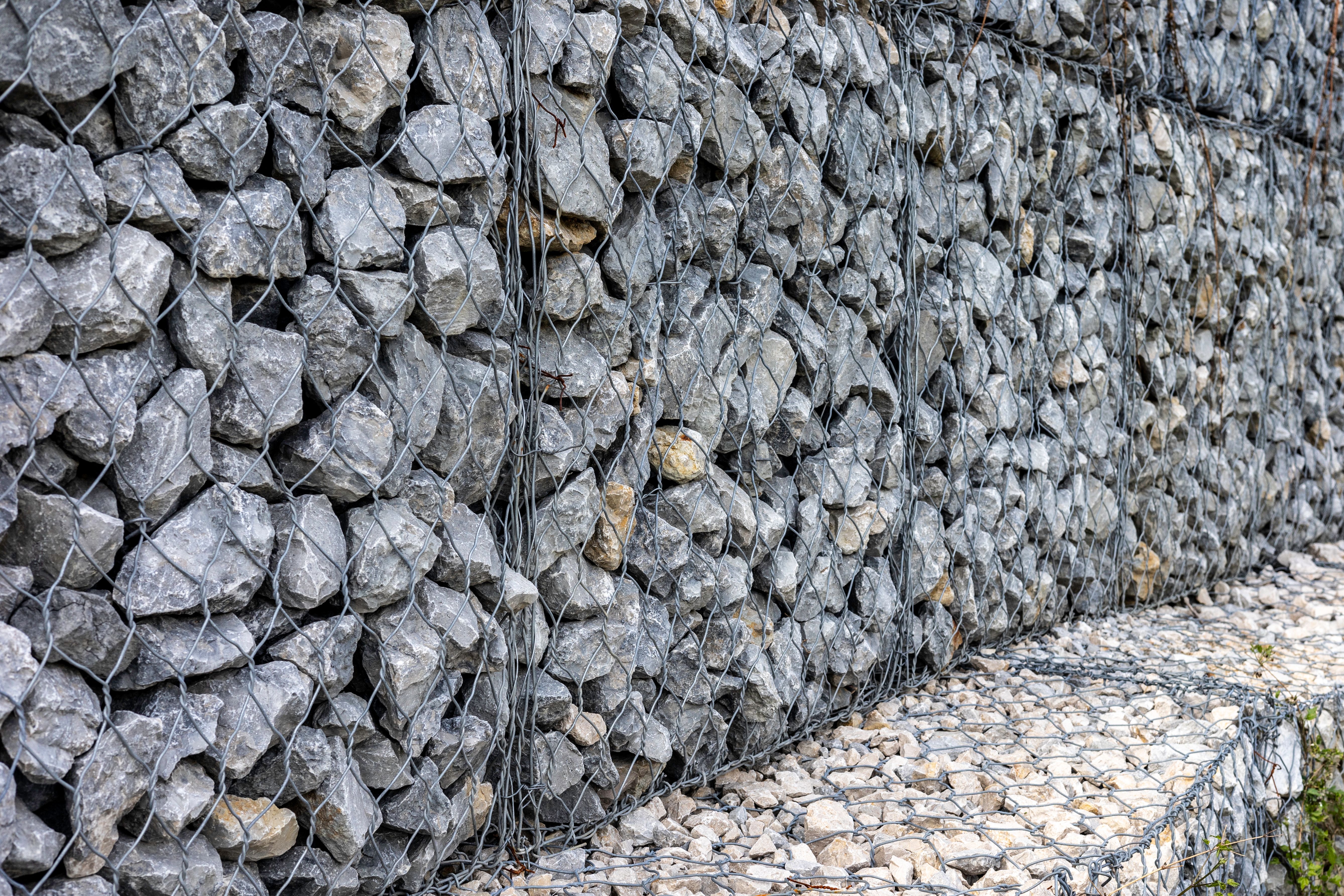
When planning for a retaining wall, it’s essential to consider the various forces that will act upon it, including gravity, water pressure, and soil weight. Proper design and construction help ensure that these forces do not compromise the wall's performance.
Designing for Safety
Ensuring structural integrity starts with a well-thought-out design. Professional engineers typically conduct a thorough site analysis to determine the right materials and construction techniques. Factors such as soil type, climate, and intended load must be considered to create a design that can withstand environmental stresses.
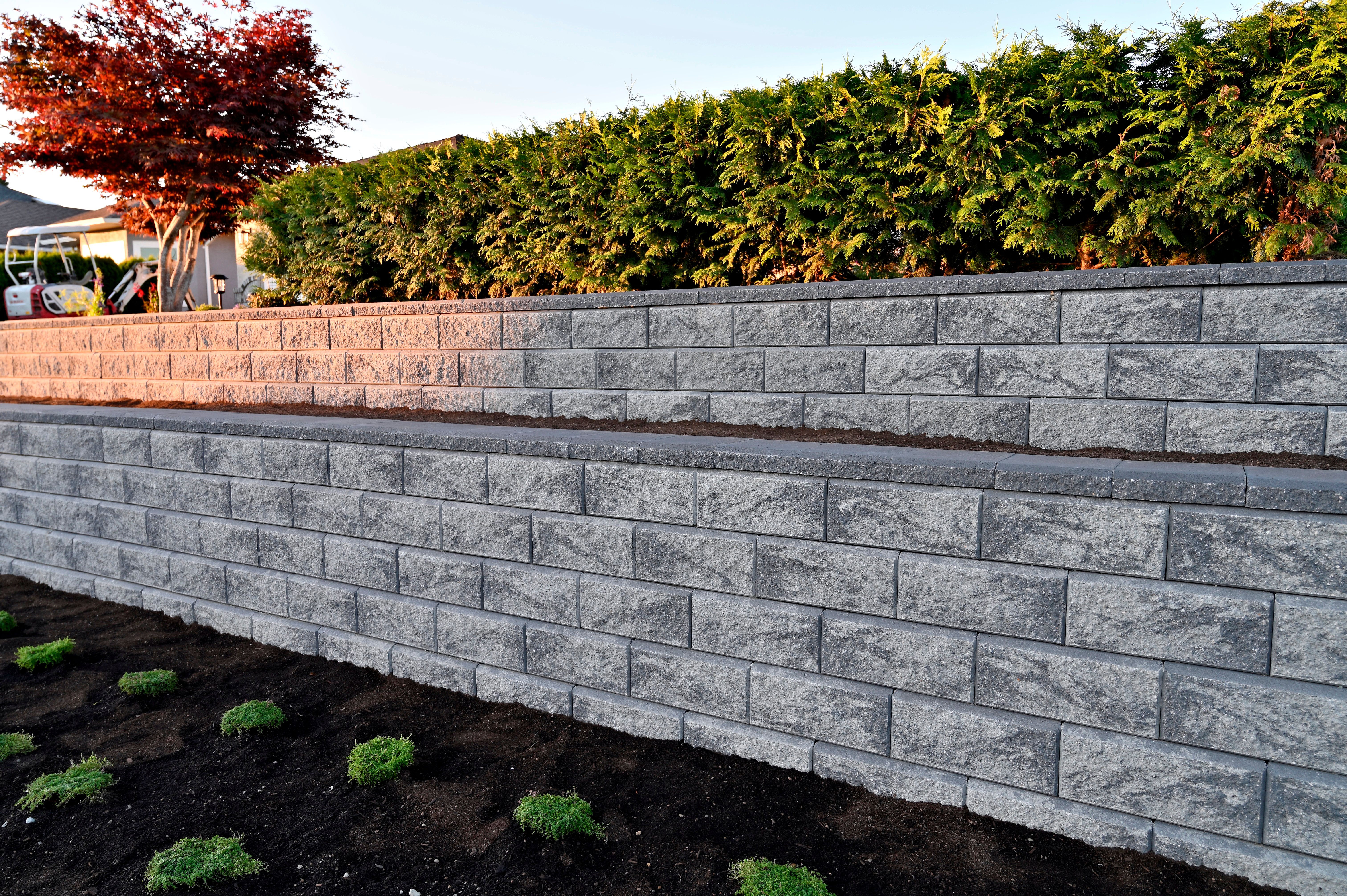
Using appropriate materials is another critical factor. Materials like concrete, stone, and reinforced steel are commonly used due to their durability and strength. The choice of materials can significantly impact the wall's ability to withstand natural wear and tear over time.
Preventing Structural Failures
A retaining wall's structural integrity can be compromised by several factors, including poor construction practices and lack of maintenance. Common issues include cracking, tilting, and eventual collapse. Regular inspections and timely repairs are essential to prevent such failures.
It's also important to address drainage issues, as water buildup can increase pressure on the wall, leading to potential failure. Incorporating proper drainage solutions during the design phase can help mitigate this risk.
Benefits of Maintaining Structural Integrity
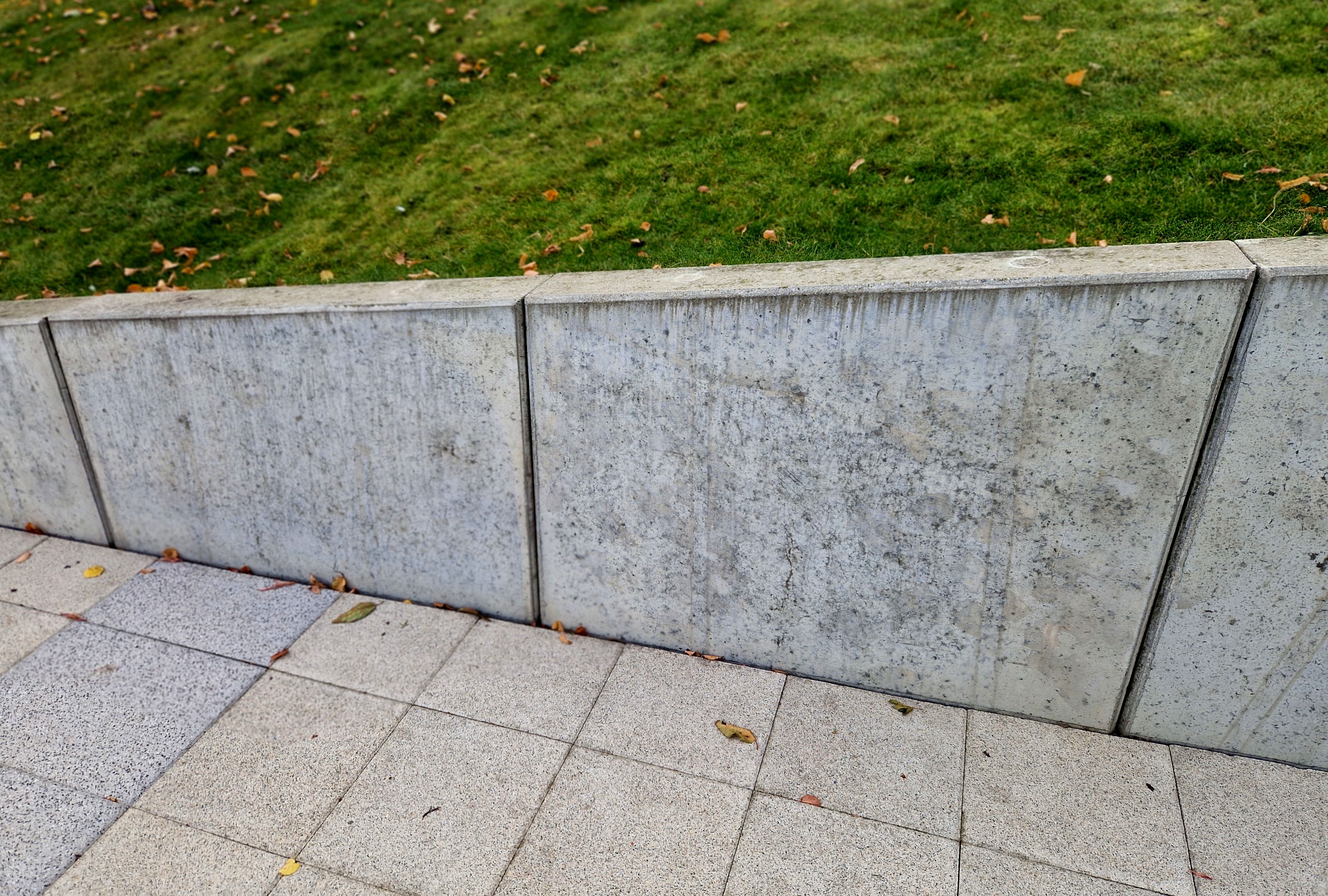
Maintaining the structural integrity of a retaining wall offers numerous benefits. It ensures safety by preventing accidents and injuries caused by wall collapse. Additionally, it enhances the longevity of the structure, reducing the need for costly repairs or replacements.
A well-maintained retaining wall can also improve the aesthetic appeal of a property, adding value and visual interest. By investing in quality design and construction, property owners can enjoy a reliable and attractive landscape feature for years to come.
In conclusion, the importance of structural integrity in retaining walls cannot be overstated. By prioritizing safety, durability, and proper maintenance, you can ensure that your retaining wall serves its purpose effectively and stands the test of time.