The Importance of Structural Integrity in Retaining Walls
JW
Understanding Structural Integrity
Structural integrity refers to the ability of a retaining wall to hold its intended shape and support the loads placed upon it without failure. It is essential for ensuring the safety and longevity of these structures. Without proper integrity, retaining walls can collapse, leading to costly repairs and potential hazards.
Retaining walls are often used to manage slopes and maintain the landscape. They are crucial in preventing soil erosion and managing water runoff. Ensuring they have the right structural integrity is vital for both aesthetic and functional purposes.

Key Factors Affecting Structural Integrity
Material Selection
The choice of materials plays a significant role in the strength of a retaining wall. Common materials include concrete, stone, and timber. Each material has its own set of advantages and limitations. For instance, concrete is known for its durability, while stone offers a natural look with substantial strength.
Design and Engineering
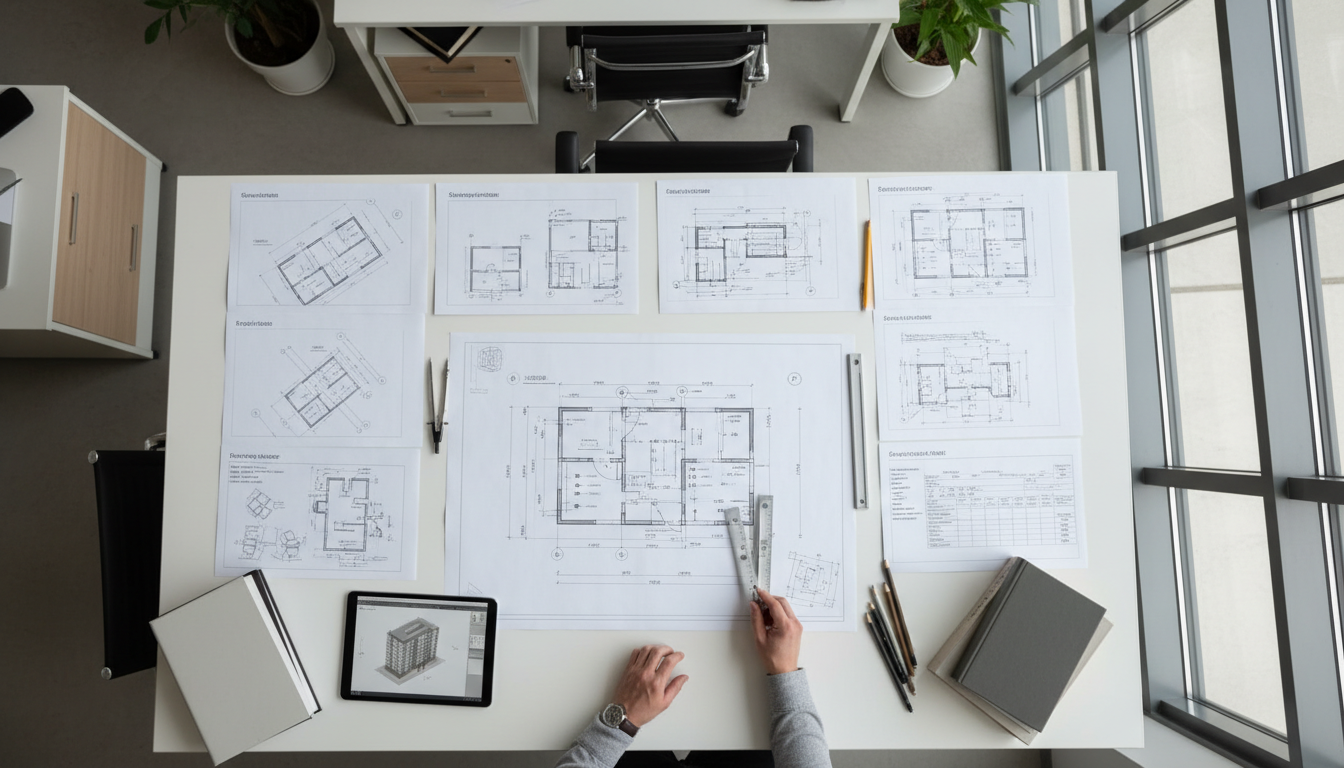
Designing a retaining wall involves more than just stacking blocks. Engineers must consider factors such as soil type, load distribution, and drainage. A well-engineered design ensures that the wall can withstand environmental stresses and remain stable over time.
Importance of Proper Installation
Even the best-designed retaining walls can fail if not installed correctly. Proper installation includes preparing the foundation, ensuring adequate drainage, and securing the wall components. Skimping on any of these steps can compromise the wall's integrity.
Proper installation also involves regular inspections and maintenance. Periodic checks can help identify potential weaknesses or damage early, allowing for timely repairs and ensuring the wall's longevity.

Benefits of Maintaining Structural Integrity
Safety and Stability
Maintaining the structural integrity of retaining walls is essential for safety. A well-built wall prevents soil erosion and landslides, protecting properties and people. This stability is crucial in areas prone to heavy rainfall or seismic activity.
Cost-Effectiveness
Investing in quality materials and proper installation may seem expensive initially, but it saves money in the long run. A structurally sound wall requires less maintenance and has a longer lifespan, reducing the need for frequent repairs or replacements.
Conclusion
In summary, the structural integrity of retaining walls is critically important for both safety and functionality. By understanding the factors that affect integrity and ensuring proper design and installation, property owners can enjoy durable and effective retaining walls that stand the test of time.