The Importance of Structural Integrity in Retaining Walls
JW
Understanding the Role of Retaining Walls
Retaining walls are a crucial component in landscaping and construction, providing both aesthetic appeal and functional support. These structures prevent soil erosion, manage water runoff, and create level surfaces on sloped terrains. Without proper structural integrity, retaining walls can fail, leading to costly damages and potential safety hazards.

Key Components of Structural Integrity
The strength of a retaining wall depends on several factors, including design, materials, and construction techniques. These elements work together to ensure the wall can withstand the pressure exerted by the soil it holds back. Key components include:
- Foundation: A solid foundation is essential for stability.
- Materials: The choice of materials, such as concrete, stone, or timber, impacts durability.
- Drainage: Proper drainage systems prevent water buildup behind the wall.
The Impact of Soil and Water
Soil type and water presence significantly affect the performance of retaining walls. Different soils exert varying pressures, and poorly managed water can increase the risk of wall collapse. Implementing effective drainage solutions is crucial to divert water away and reduce hydrostatic pressure.

Design Considerations for Longevity
Designing a retaining wall involves more than just aesthetics. Engineers must consider factors such as load-bearing capacity, wall height, and environmental conditions. A well-designed wall not only functions effectively but also enhances the landscape’s beauty.
Common Causes of Retaining Wall Failures
Failures often result from inadequate design, poor construction practices, or lack of maintenance. Common issues include:
- Insufficient drainage leading to water accumulation.
- Use of inappropriate materials for the environment.
- Neglecting regular inspections and maintenance.
The Importance of Regular Maintenance
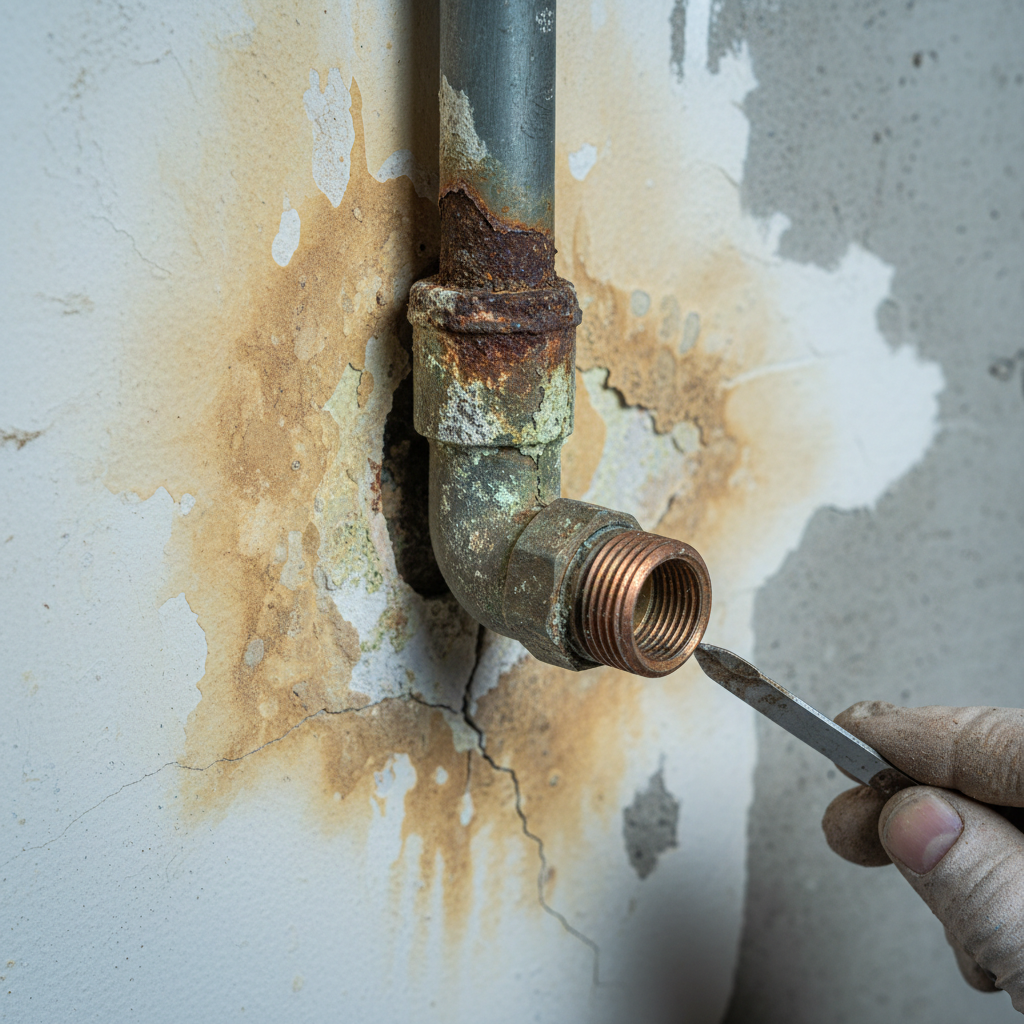
Regular maintenance ensures the longevity and effectiveness of retaining walls. Inspections can identify early signs of wear or damage, allowing for timely repairs. Maintenance tasks may include cleaning drainage systems, checking for cracks, and reinforcing weak areas.
Professional Assistance for Optimal Results
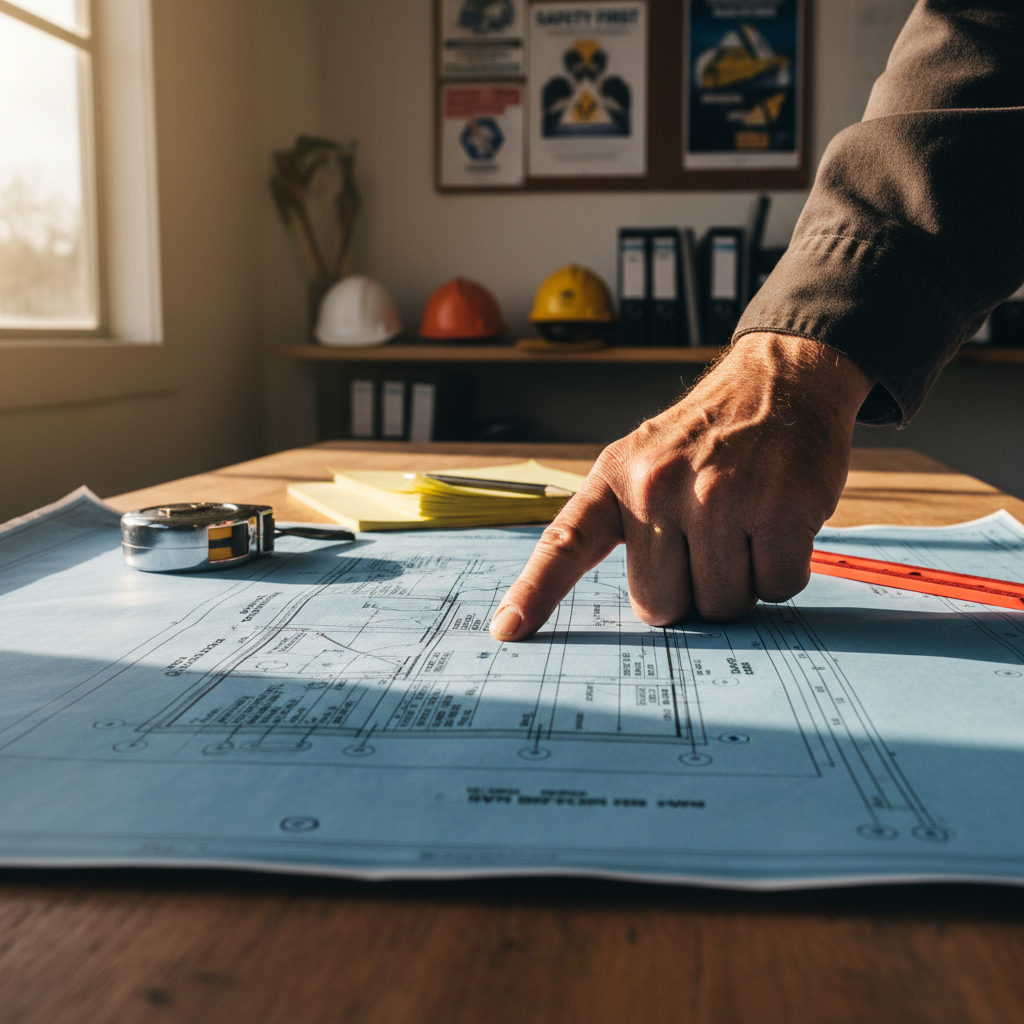
While some retaining wall projects can be DIY, consulting with professionals is advisable for larger or more complex structures. Experts can provide insights into the best materials, design, and maintenance practices to ensure your retaining wall stands the test of time.
Conclusion
Investing in the structural integrity of retaining walls is essential for safety, functionality, and aesthetic appeal. By understanding the key factors involved and seeking professional guidance when necessary, you can ensure your retaining wall is both beautiful and enduring.