The Role of Proper Drainage Systems in Retaining Wall Longevity
JW
The Importance of Drainage in Retaining Walls
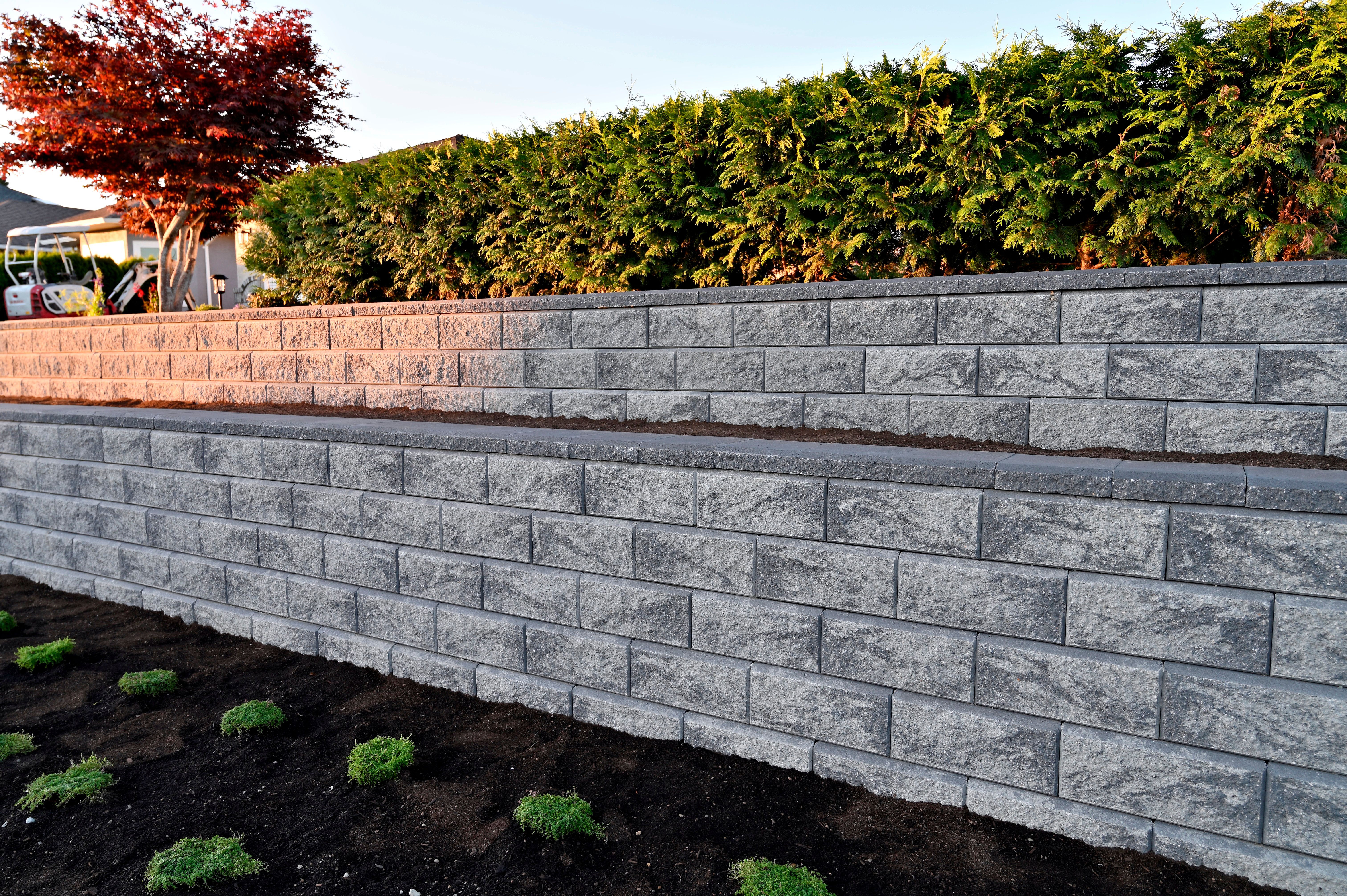
Proper drainage systems play a crucial role in the longevity and effectiveness of retaining walls. Without a well-designed drainage system, water can accumulate behind the wall, leading to increased pressure and potential structural failure. Understanding the role of drainage is essential for anyone involved in the construction or maintenance of retaining walls.
How Water Affects Retaining Walls
Water is one of the most significant factors affecting the stability of retaining walls. When water accumulates, it increases the hydrostatic pressure behind the wall. This pressure can lead to wall movement, cracking, or even collapse. Proper drainage systems help alleviate this pressure, ensuring the wall remains stable and intact.
Components of a Drainage System
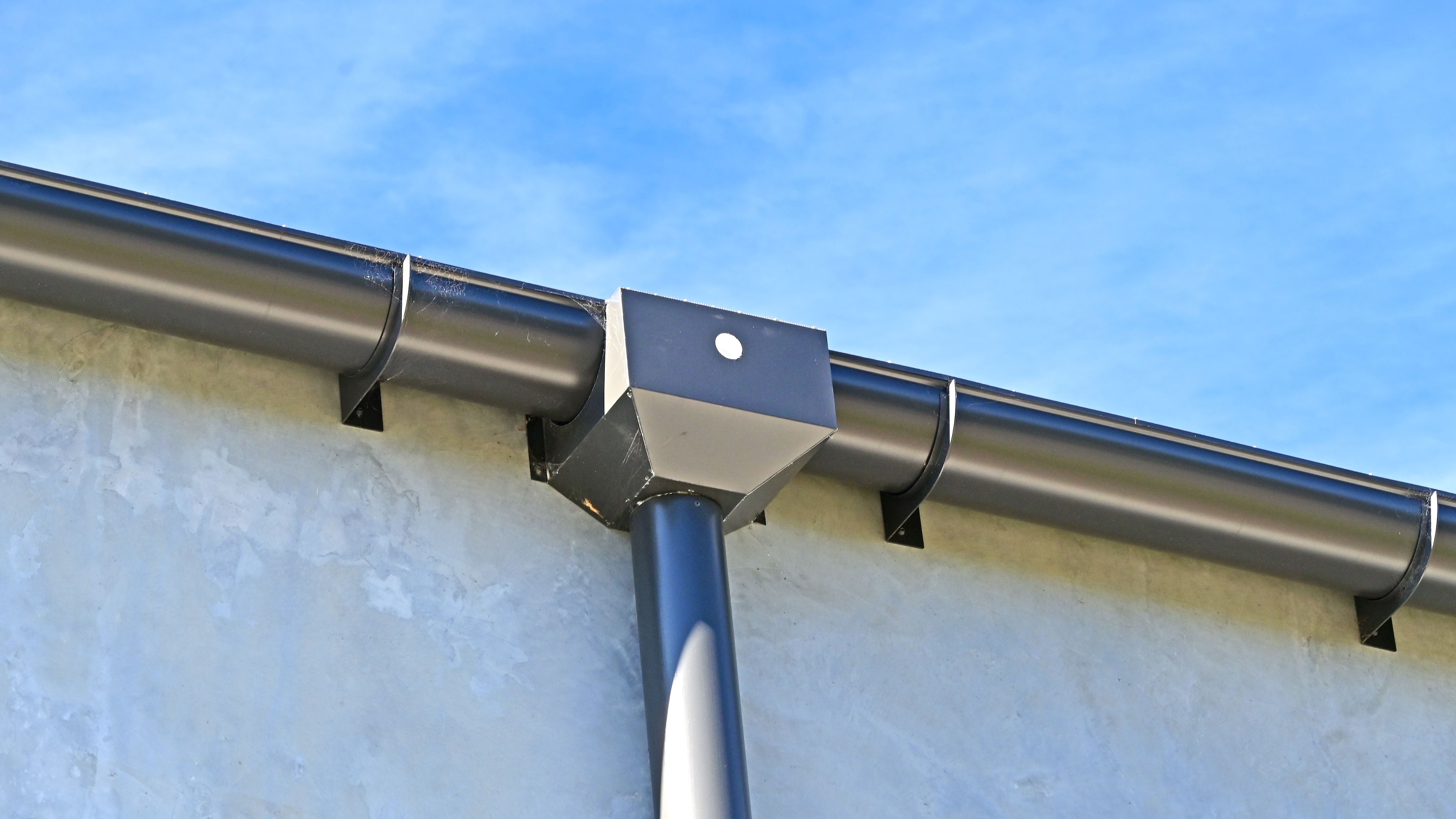
A comprehensive drainage system typically includes several key components:
- Drains: These are installed at the base of the wall to allow water to escape.
- Gravel Backfill: Used behind the wall to promote water flow towards the drains.
- Weep Holes: Small openings that let water exit from behind the wall.
Benefits of Proper Drainage
A well-implemented drainage system offers several benefits, including:
- Enhanced Stability: Reduces hydrostatic pressure, maintaining structural integrity.
- Longevity: Prevents damage caused by water buildup, extending the wall's lifespan.
- Cost-Effectiveness: Reduces the need for frequent repairs and maintenance.
Design Considerations for Drainage Systems
When designing a drainage system, several factors must be considered. The type of soil, local climate, and wall height all influence the drainage requirements. Consulting with a professional engineer can help ensure that the system is tailored to the specific needs of the site.

Common Mistakes in Drainage Installation
Improper installation of drainage systems can lead to serious problems. Common mistakes include inadequate slope for drains, insufficient gravel backfill, and missing weep holes. Each of these can compromise the effectiveness of the drainage system and lead to wall failure.
Maintaining Your Drainage System
Regular maintenance of the drainage system is essential to ensure its continued effectiveness. This includes checking for blockages, repairing any damage, and ensuring all components are functioning as intended. Regular inspections can prevent minor issues from becoming major problems.
Conclusion
Proper drainage is a vital component in the construction and maintenance of retaining walls. By understanding and implementing effective drainage solutions, you can significantly enhance the stability and longevity of your retaining walls. Investing in quality design and regular maintenance is a wise decision that pays off in the long term.