The Role of Retaining Walls in Sustainable Landscaping
JW
Understanding Retaining Walls
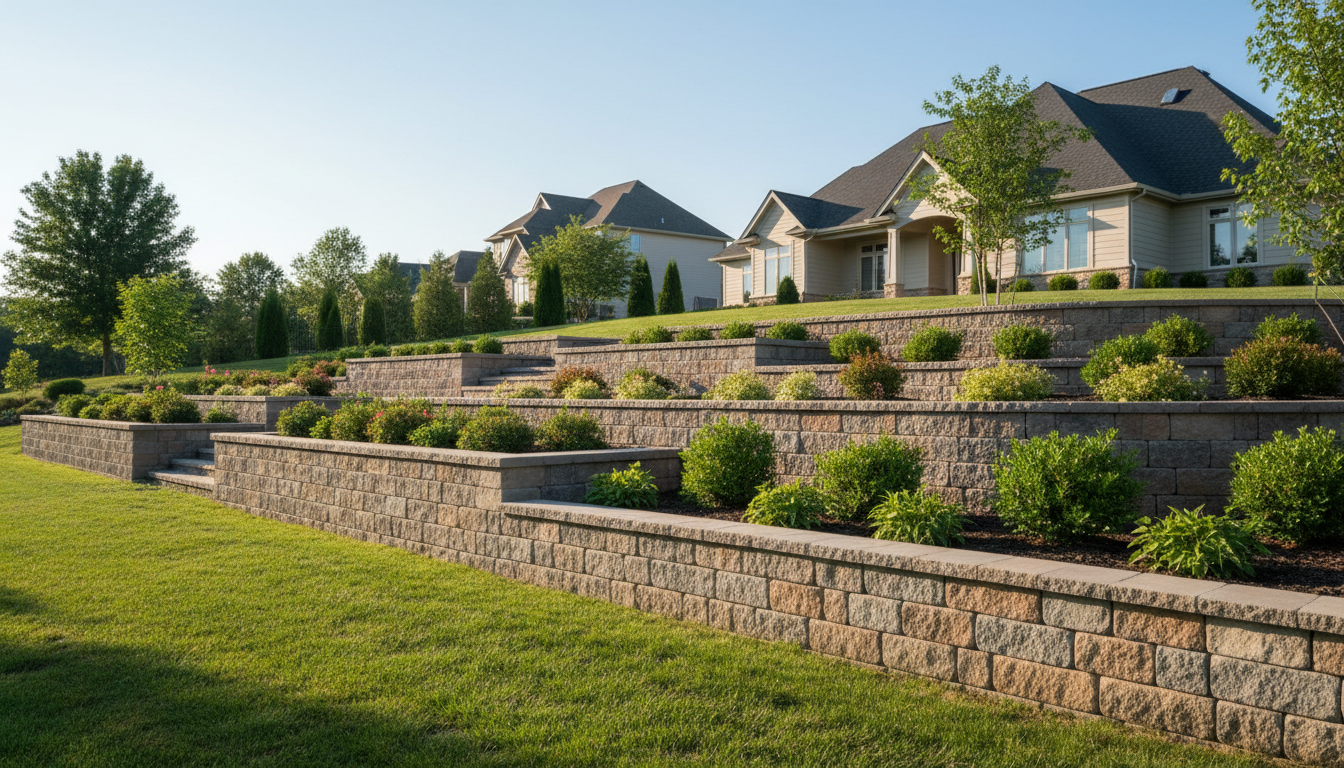
Retaining walls are structures designed to hold back soil and create level areas in landscapes. They play a crucial role in managing land on uneven terrain. By preventing erosion and managing water flow, retaining walls contribute significantly to sustainable landscaping practices.
These walls can be constructed from various materials such as concrete, stone, or wood, each offering unique benefits. The choice of material depends on factors like budget, aesthetics, and environmental impact.
Environmental Benefits of Retaining Walls
One of the primary benefits of retaining walls is their ability to prevent soil erosion. By holding soil in place, they protect landscapes from the damaging effects of wind and water erosion. This preservation of soil integrity is essential for maintaining plant health and supporting biodiversity.
Additionally, retaining walls can help manage stormwater runoff. By controlling the flow of water, these structures reduce the risk of flooding and waterlogging, which can damage plants and soil structure. This management of water is particularly beneficial in urban areas with limited green space.
Enhancing Aesthetic Appeal
Beyond their functional benefits, retaining walls add aesthetic value to landscapes. They can be designed to complement the natural surroundings, creating visually appealing terraces and garden spaces. This integration of form and function enhances the overall appeal of a property.
There are numerous design options available, allowing homeowners to select styles that match their personal taste and the architectural design of their homes. From rustic stone walls to sleek modern designs, the possibilities are vast.
Materials and Sustainability
Choosing sustainable materials for retaining walls is vital for eco-friendly landscaping. Recycled materials and locally sourced stones are excellent options that reduce environmental impact. These choices support local economies and minimize transportation emissions.
Moreover, sustainable construction practices, such as using permeable materials, can further enhance the wall's environmental benefits. These materials allow water to pass through, reducing runoff and promoting groundwater recharge.
Long-Term Maintenance
Proper maintenance of retaining walls ensures their longevity and effectiveness. Regular inspections can identify potential issues like cracks or drainage problems early on. Addressing these issues promptly can prevent more extensive damage and costly repairs.
Simple maintenance tasks, such as clearing debris and checking drainage systems, can significantly extend the life of a retaining wall. A well-maintained wall not only serves its functional purpose but also continues to enhance the landscape's beauty.

Conclusion
Retaining walls are an essential component of sustainable landscaping, offering both environmental and aesthetic benefits. By preventing erosion, managing water flow, and enhancing visual appeal, they contribute to healthier and more sustainable outdoor spaces.
When planning a landscaping project, consider the advantages of incorporating retaining walls. With careful design and material selection, these structures can provide lasting benefits for both the environment and the homeowner.