Top Considerations for Building Retaining Walls on Sloping Residential Blocks
JW
Understanding the Importance of Retaining Walls
Retaining walls are crucial for managing sloping residential blocks. They help prevent soil erosion, manage water drainage, and create usable space in otherwise challenging landscapes. Building a retaining wall is a significant investment, and understanding the key considerations can ensure a successful project.
One of the main purposes of retaining walls is to provide stability to sloped areas. Without them, soil erosion can become a serious problem, leading to property damage and safety hazards. By constructing a well-designed retaining wall, you can enhance both the functionality and aesthetics of your property.
Assessing the Site and Soil Conditions
Before beginning construction, it's essential to assess the site and soil conditions. This involves analyzing the soil type, slope angle, and drainage patterns. Different soil types, such as clay or sandy soil, have varying stability and drainage characteristics, which can affect the design and materials used for the wall.
It's often recommended to consult with a geotechnical engineer to evaluate these factors. Their expertise can help you choose the most suitable construction techniques and materials, ensuring the wall's longevity and effectiveness.
Choosing the Right Materials
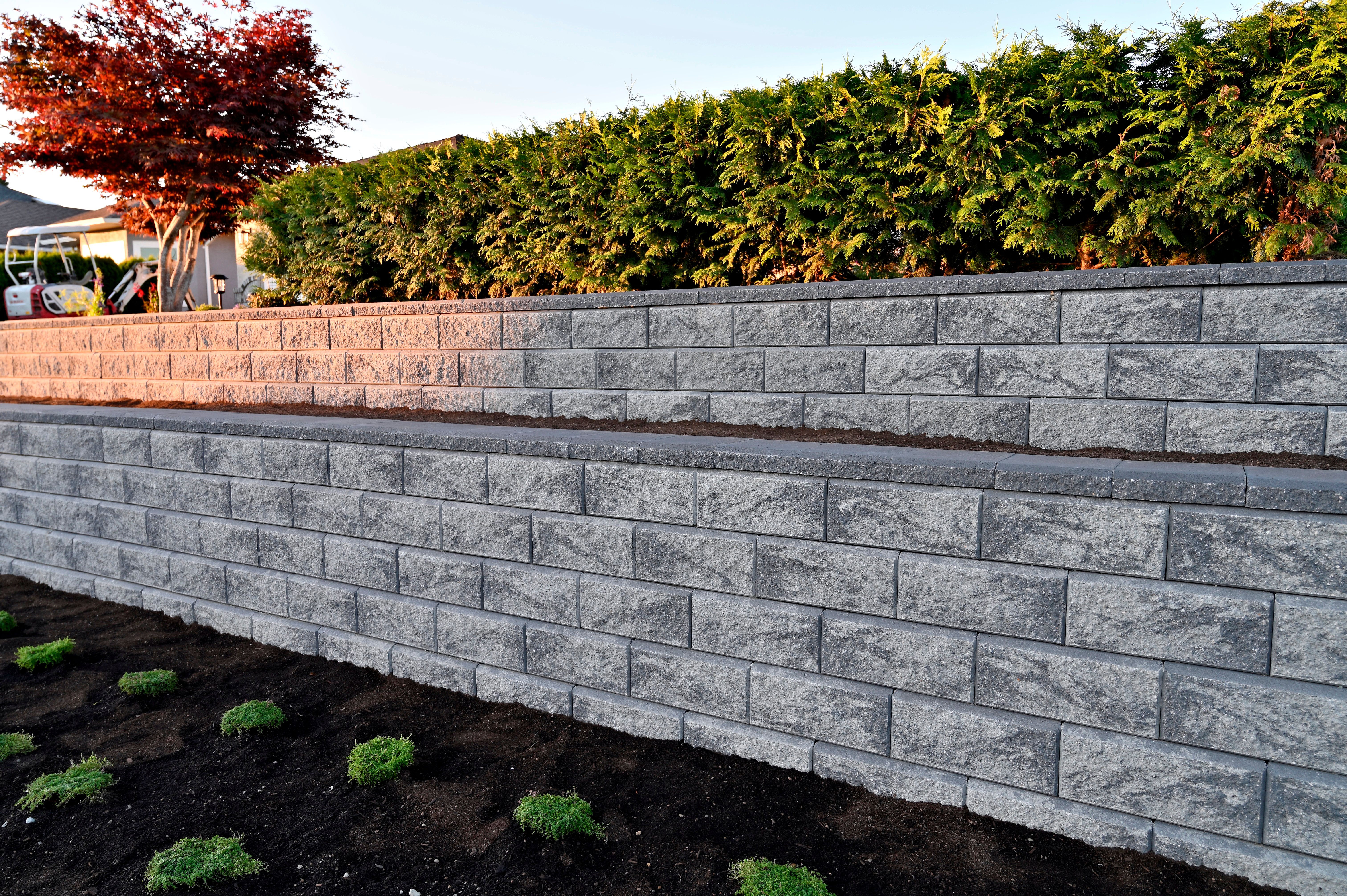
The choice of materials is another critical consideration. Common materials include concrete blocks, natural stone, and timber. Each material has its advantages: concrete blocks offer durability, natural stone provides a rustic look, and timber is often more affordable.

Consider the aesthetic appeal, cost, and maintenance requirements of each material. Additionally, the environmental impact and sustainability of the materials should be taken into account, especially if eco-friendly construction is a priority for you.
Design and Engineering Considerations
The design and engineering of the retaining wall must be handled with precision. Factors such as wall height, load-bearing capacity, and drainage systems need careful planning. A poorly designed wall can lead to structural failure, causing potential damage and costly repairs.
Hiring a professional engineer or landscape architect can provide you with a detailed plan that meets safety standards and local regulations. Their expertise ensures that the wall is not only functional but also integrates seamlessly with your landscape.
Ensuring Proper Drainage
Proper drainage is vital for the success of retaining walls. Without it, water pressure can build up behind the wall, compromising its stability. Incorporating drainage solutions like weep holes, drainage pipes, and gravel backfill can help manage water flow and reduce pressure.
Regular maintenance, such as cleaning weep holes and inspecting drainage systems, is necessary to prevent blockages and ensure long-term performance. This proactive approach can save you from future issues and extend the life of the wall.
Regulatory and Safety Considerations
Finally, it's important to consider any regulatory and safety requirements. Local building codes may dictate specific design and construction standards for retaining walls on sloped blocks. Obtaining necessary permits and adhering to regulations can prevent legal complications and ensure the safety of the structure.
In addition, considering the safety of residents and visitors is crucial. This includes ensuring the wall is stable and secure, as well as installing any necessary safety features like guardrails or fencing.
By thoroughly evaluating these considerations, you can build a retaining wall that not only meets your functional needs but also enhances the beauty and value of your property. Proper planning and professional guidance are key to achieving a successful outcome, making your sloped residential block both practical and picturesque.