Understanding Area-Specific Regulations for Retaining Walls in South Australia
JW
Introduction to Retaining Walls
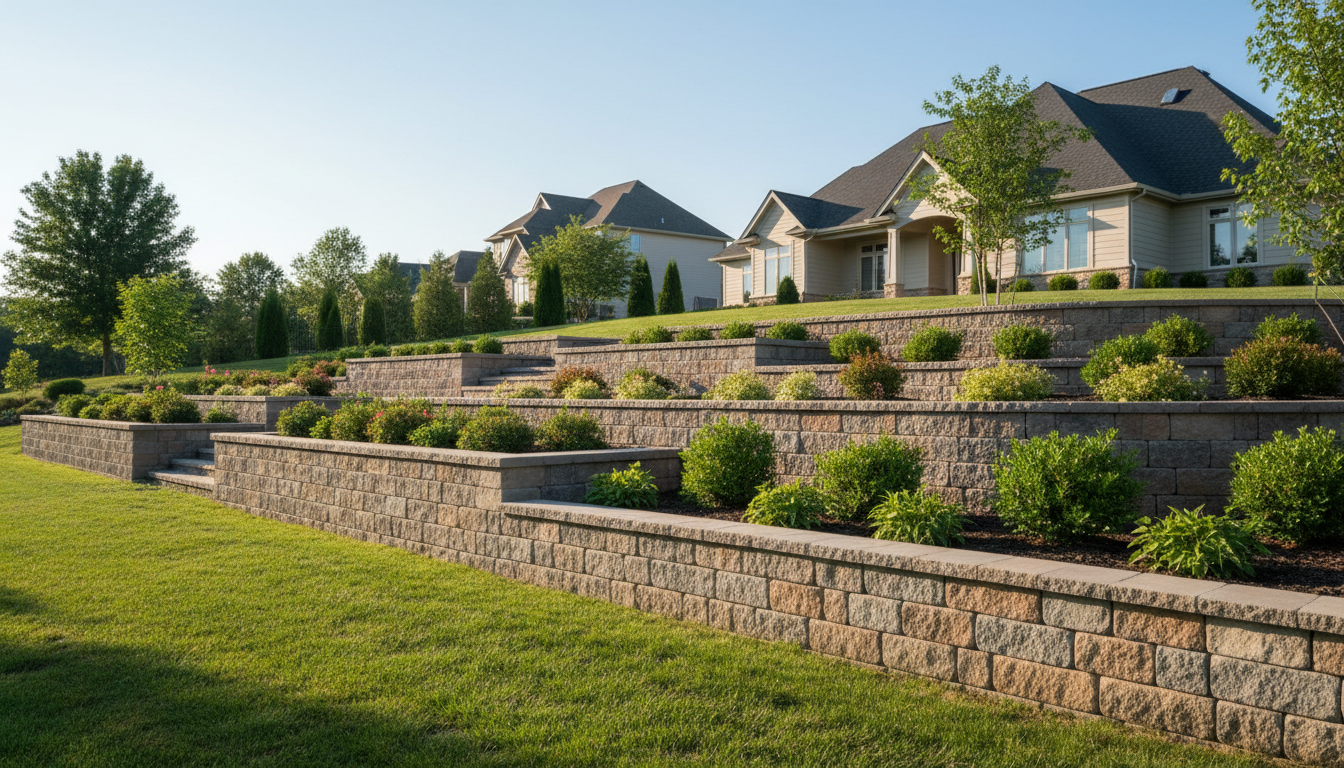
Retaining walls are essential structures in landscaping and construction, designed to hold back soil and prevent erosion. In South Australia, understanding area-specific regulations for these structures is crucial to ensure compliance and safety. This blog post delves into the key regulations and considerations for building retaining walls in this region.

Why Regulations Matter
Compliance with local regulations ensures that retaining walls are safe, durable, and environmentally friendly. Ignoring these rules can lead to structural failures, legal issues, and fines. Regulations vary depending on the size, location, and purpose of the wall, so it's vital to be informed before starting any project.
Height Restrictions
One of the primary considerations for retaining walls is height. In many areas of South Australia, walls over one meter require council approval. This is to ensure that the wall can withstand the pressure of the soil and any additional load. It's important to consult with local authorities to understand the specific height restrictions in your area.
Material Specifications
The choice of materials can significantly affect the wall's stability and longevity. In South Australia, regulations may dictate the type of materials that can be used, especially for walls in areas prone to erosion or heavy rainfall. Common materials include concrete, stone, and timber, each with its own set of guidelines.
Environmental Considerations
South Australia's unique environment requires special attention to ecological impact. Retaining walls should be designed to complement the natural landscape and minimize disruption. This might include using native plants for landscaping around the wall or incorporating drainage systems to manage water flow effectively.
Drainage and Water Management
Proper drainage is vital for retaining walls to prevent water buildup, which can lead to wall failure. South Australian regulations often include specific requirements for drainage solutions, such as weep holes or gravel backfill, to ensure water is adequately managed.

Getting Approval and Permits
Obtaining the necessary permits is a crucial step in the construction of retaining walls. Depending on the location and size of the wall, you may need to submit detailed plans and undergo inspections. Engaging with local councils early in the planning process can help streamline this aspect and avoid potential delays.
Working with Professionals
Given the complexity of regulations, working with experienced professionals can be invaluable. Builders, engineers, and architects familiar with South Australia's requirements can provide guidance and ensure that your retaining wall meets all necessary standards, reducing the risk of future issues.
Conclusion
Understanding area-specific regulations for retaining walls in South Australia is essential for compliance and safety. By paying attention to height restrictions, material specifications, environmental considerations, and proper drainage, you can ensure your project is successful. Always consult with local authorities and professionals to navigate the regulatory landscape effectively.