Understanding Concrete Sleeper Retaining Walls: A Comprehensive Guide
JW
What Are Concrete Sleeper Retaining Walls?
Concrete sleeper retaining walls are robust structures used to hold back soil and create level areas in landscapes. These walls are constructed using precast concrete sleepers, which are long, flat blocks designed to interlock and provide stability. Their durability makes them an excellent choice for both residential and commercial applications.
Advantages of Concrete Sleeper Retaining Walls
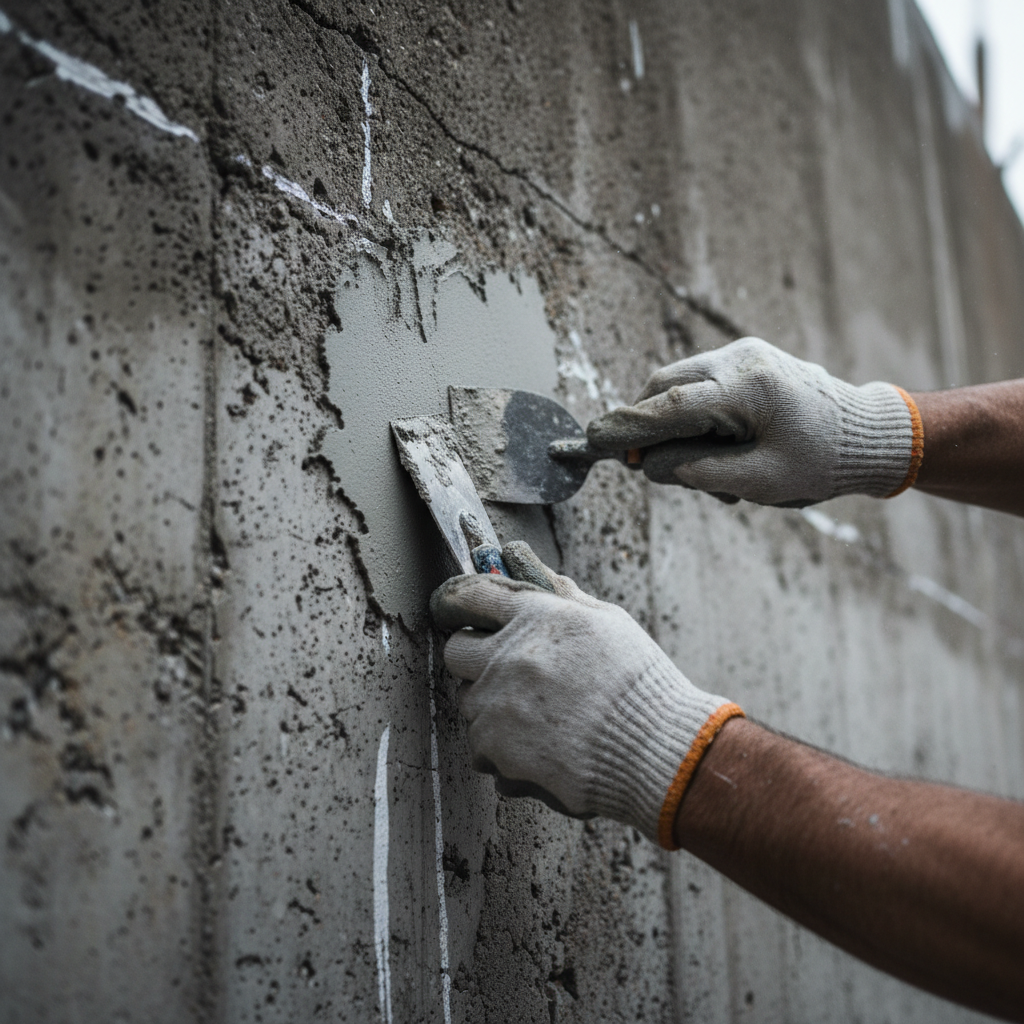
One of the primary benefits of concrete sleeper retaining walls is their strength and durability. Unlike timber, concrete is resistant to rot and pests, ensuring a long lifespan. Additionally, these walls are low maintenance, requiring minimal upkeep over the years.
Another advantage is their versatility in design. Concrete sleepers come in various finishes and colors, allowing for customization to match the aesthetic of any landscape. This flexibility makes them a popular choice for homeowners looking to enhance their outdoor spaces.
Installation Process
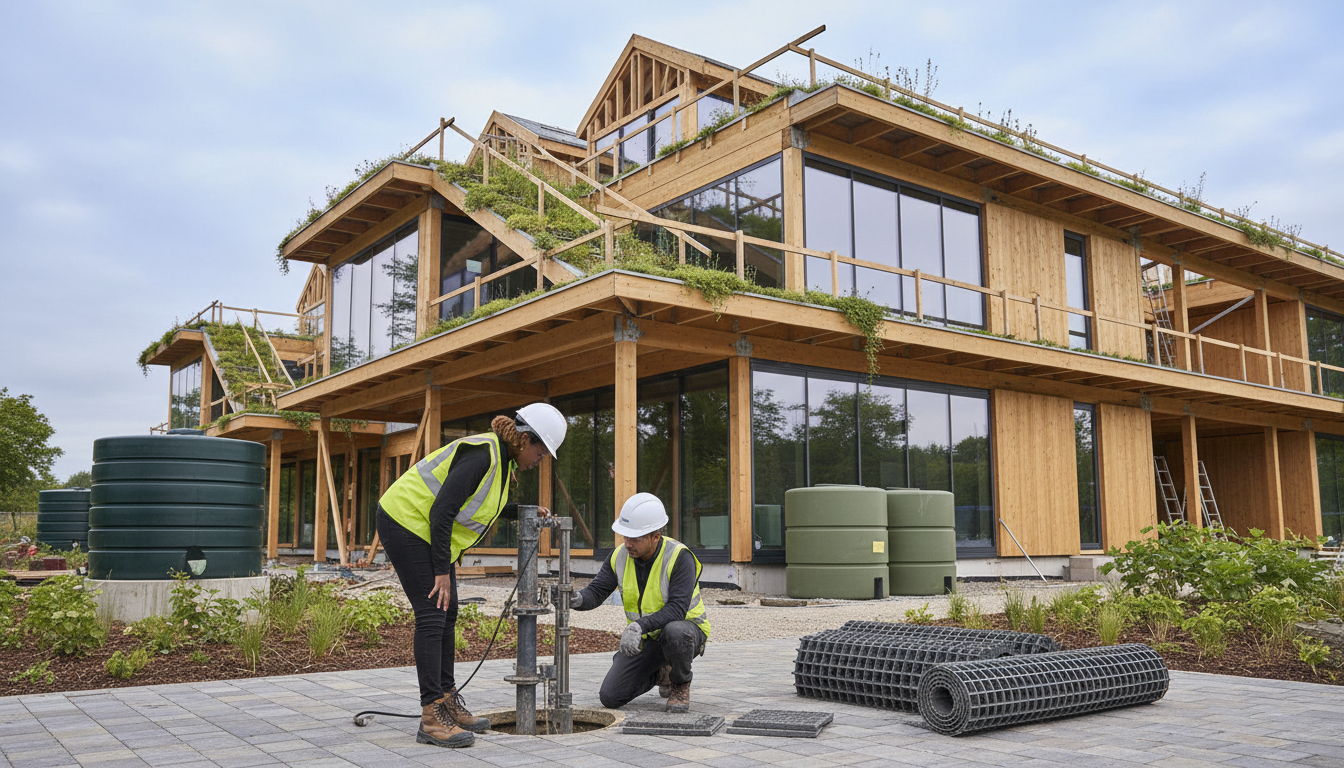
Installing a concrete sleeper retaining wall requires careful planning and precision. The first step involves assessing the site and determining the wall's location, height, and length. Proper drainage must also be considered to prevent water buildup, which can affect the wall's stability.
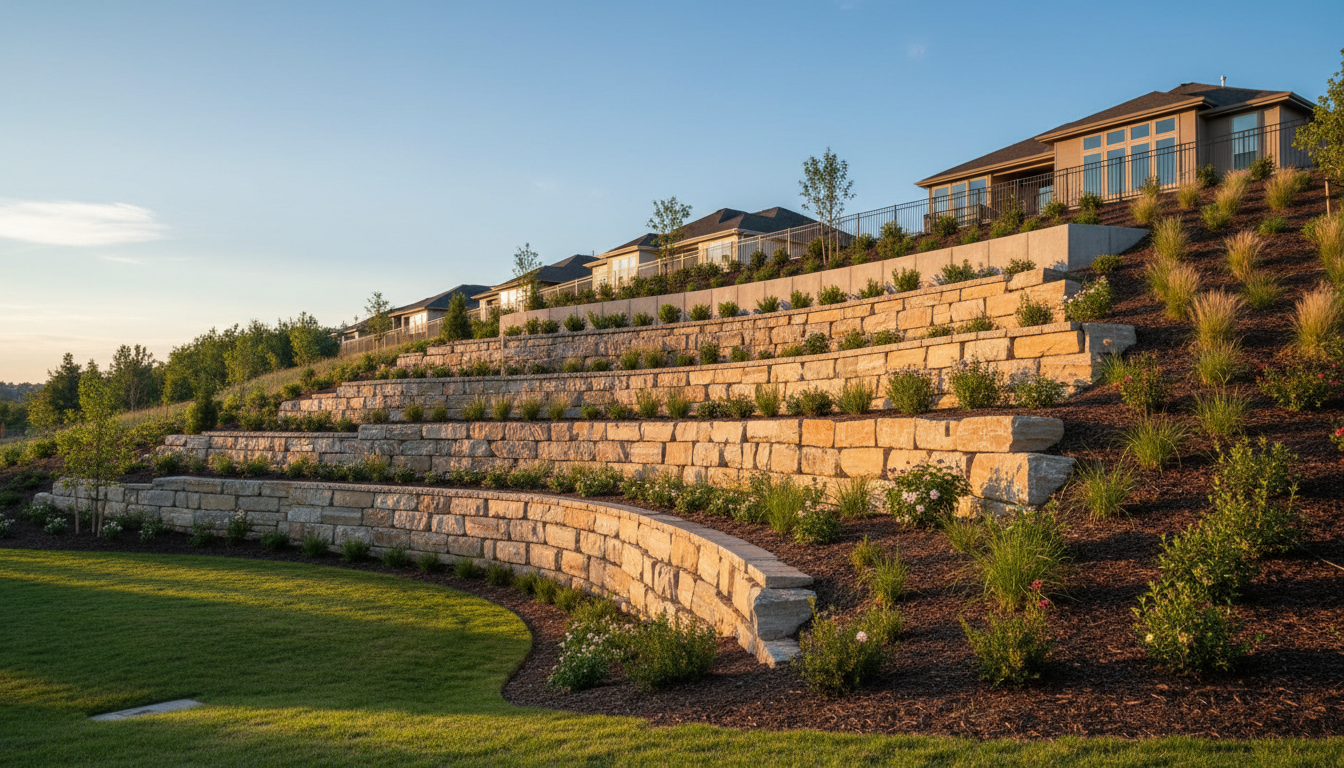
Once the groundwork is prepared, the sleepers are placed in alignment and secured with posts. The interlocking design of the sleepers provides additional strength, ensuring the wall can withstand pressure from the soil it retains.
Cost Considerations
The cost of a concrete sleeper retaining wall can vary based on several factors, including the size of the wall, the type of sleepers used, and the complexity of the installation. While the initial investment may be higher compared to other materials, the long-term savings in maintenance and replacement costs often justify the expense.
Environmental Impact
Concrete sleeper retaining walls are considered environmentally friendly due to their longevity and the ability to use recycled materials in their production. Additionally, their durability reduces the need for frequent replacements, minimizing waste and conserving resources.
Applications and Uses
These retaining walls are not just for residential landscapes. They are widely used in commercial settings, such as parking lots, roadways, and industrial areas, where robust support structures are necessary. Their strength and versatility make them ideal for various applications.
In residential settings, concrete sleeper retaining walls can be used to create terraced gardens, level out backyards, and even as decorative features that add visual interest to a property.
Maintenance Tips
Maintaining a concrete sleeper retaining wall is relatively straightforward. Regular inspections can help identify any potential issues early on. Cleaning the wall with a pressure washer can remove dirt and debris, keeping it looking its best.
It's also essential to ensure proper drainage around the wall to prevent water from accumulating behind it. This can be achieved by checking drainage systems and clearing any blockages.
Conclusion
Concrete sleeper retaining walls are an excellent investment for those seeking a durable, low-maintenance, and aesthetically pleasing solution for soil retention. Whether for residential or commercial use, these walls offer a range of benefits that make them a preferred choice in modern landscaping projects.