Understanding Structural Retaining Walls: Why Quality Matters
JW
The Importance of Structural Retaining Walls
Structural retaining walls are essential components in various construction projects, serving both functional and aesthetic purposes. These walls are designed to hold back soil and prevent erosion, making them crucial for maintaining the integrity of landscapes and structures. Understanding why quality matters in retaining walls can help ensure safety and longevity.

Types of Retaining Walls
There are several types of retaining walls, each with unique characteristics and applications. Some common types include gravity walls, cantilever walls, anchored walls, and sheet piling. The choice of wall depends on factors like the height of the wall, soil conditions, and the load it needs to support.
Gravity walls rely on their mass to resist pressure, often constructed from concrete or stone. Cantilever walls are thinner and use a slab structure to hold soil. Anchored walls are reinforced with cables or rods, while sheet piling walls are made from steel, vinyl, or wood sheets driven into the ground.
Why Quality Matters
Investing in quality retaining walls is crucial for several reasons. A well-constructed wall ensures stability and safety, preventing potential hazards like landslides and collapses. Quality materials and workmanship also contribute to the wall's durability and resistance to environmental factors such as water and temperature changes.
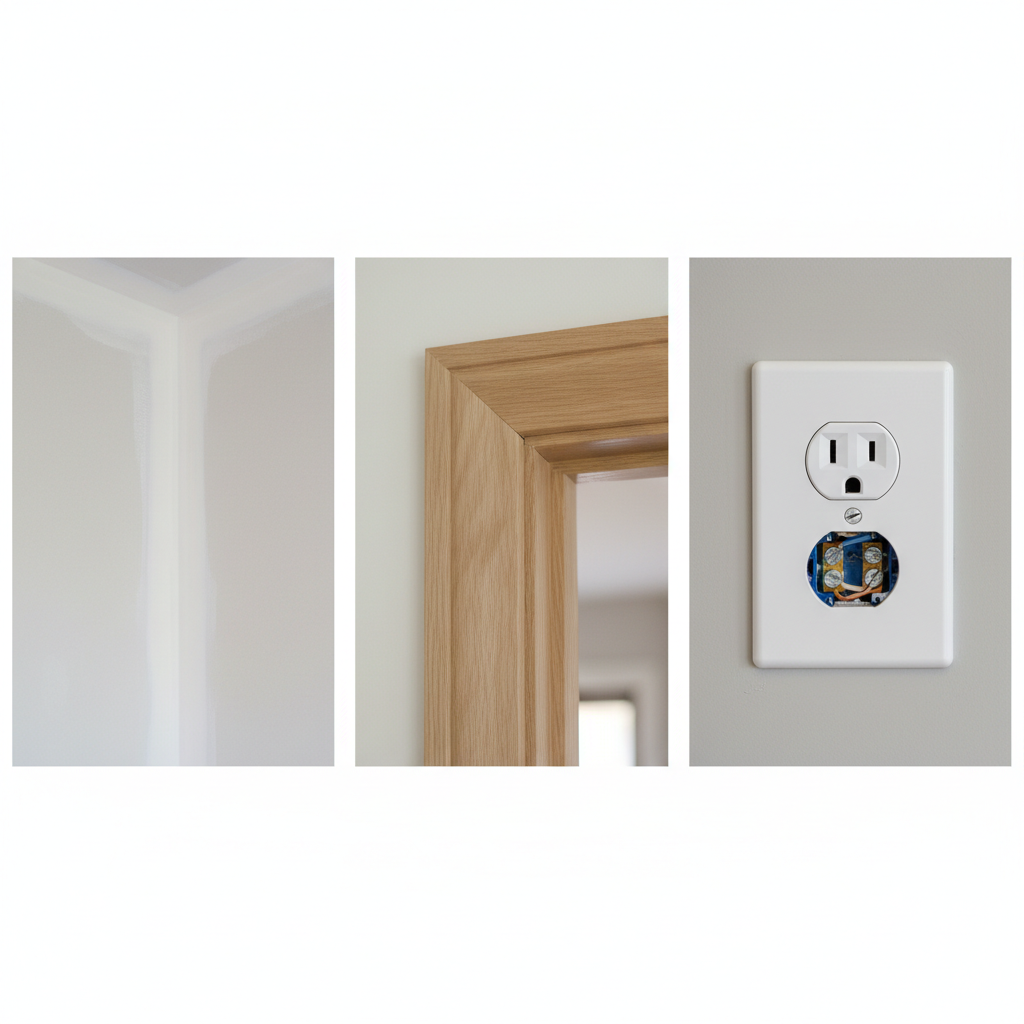
Moreover, a high-quality retaining wall enhances the aesthetic appeal of a property. It can be customized to complement the surrounding landscape and add value to the property. Skimping on quality may lead to costly repairs and replacements in the future.
Components of a Quality Retaining Wall
Several key components define the quality of a retaining wall. These include:
- Foundation: A solid foundation is critical for stability.
- Drainage: Proper drainage systems prevent water buildup and pressure.
- Materials: Durable materials like concrete and stone enhance longevity.
- Design: A well-engineered design ensures structural integrity.
Hiring the Right Professionals
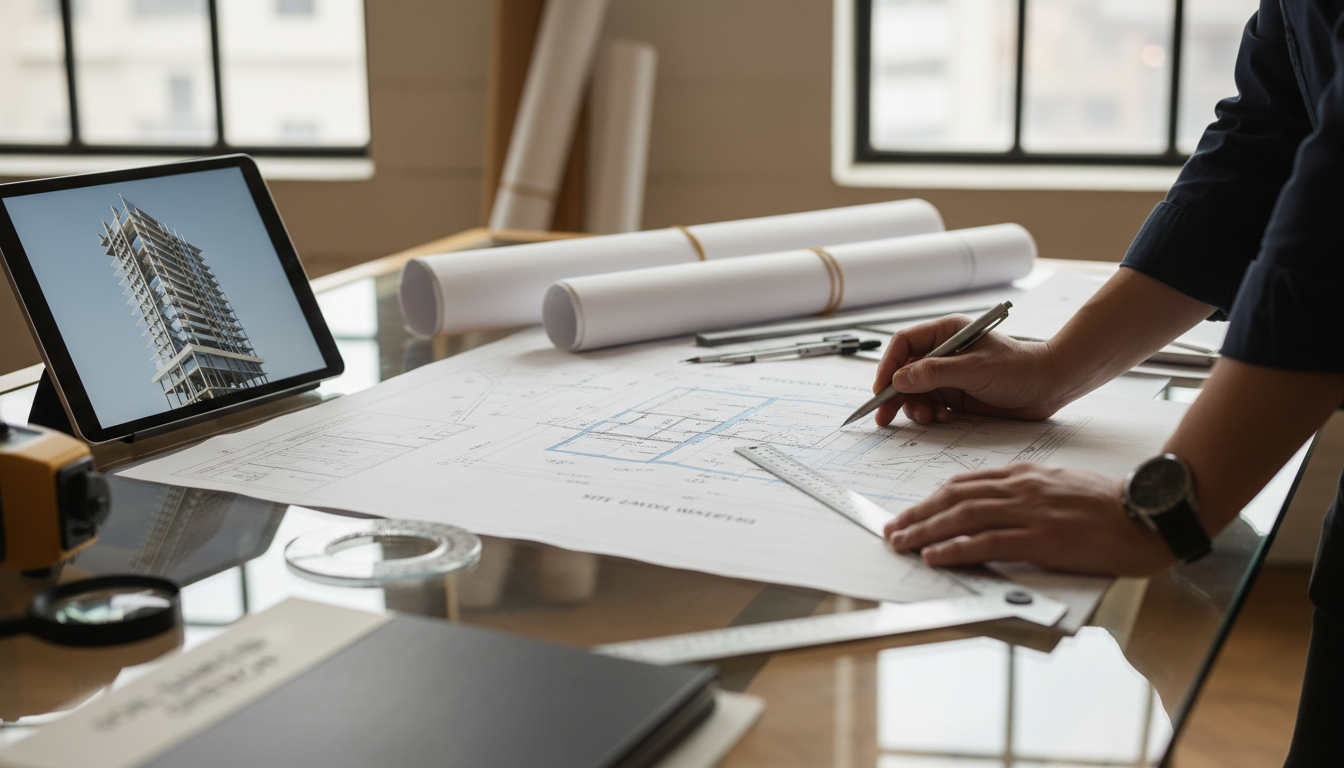
Building a retaining wall is a complex task that requires expertise. Hiring a qualified professional ensures the wall is designed and constructed to meet safety standards. Professionals can assess the site, recommend suitable materials, and implement the design efficiently.
When selecting a contractor, consider their experience, reputation, and past projects. A reliable contractor will provide a detailed plan and estimate, ensuring transparency throughout the process.
Conclusion
Understanding the importance of quality in structural retaining walls is vital for both safety and aesthetics. By choosing the right type of wall, using high-quality materials, and hiring skilled professionals, you can ensure your retaining wall performs its function effectively and stands the test of time.