Why Drainage and Footing Depth Are Critical in Retaining Walls
JW
Understanding Retaining Walls
Retaining walls are essential structures designed to hold back soil and prevent erosion. They are commonly used in landscaping and construction to create level surfaces and manage sloped areas. However, the effectiveness and longevity of a retaining wall greatly depend on two critical factors: drainage and footing depth.
Both drainage and footing depth play pivotal roles in ensuring the wall's stability. Without proper planning in these areas, even the most robust retaining walls can fail. This post delves into why these elements are crucial and how they contribute to the durability of retaining walls.
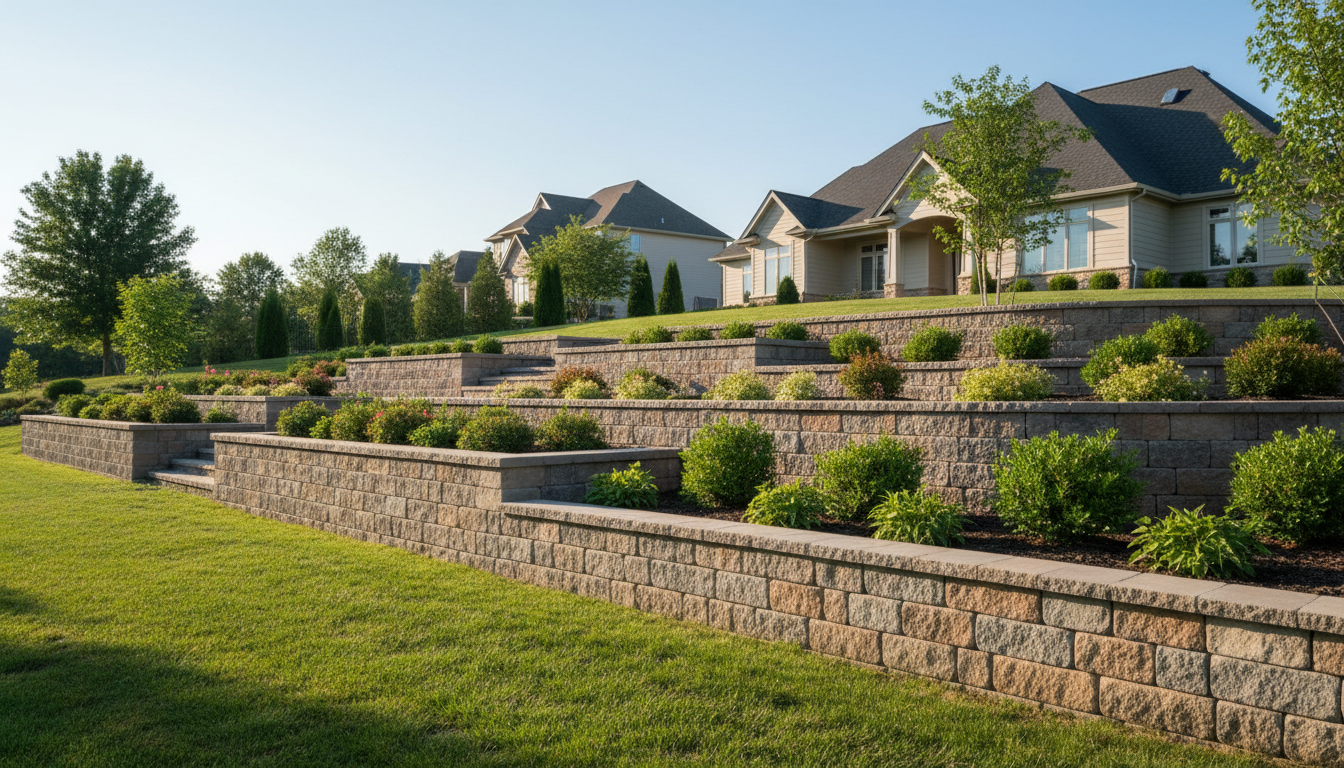
The Importance of Drainage
Drainage is perhaps the most important aspect of retaining wall construction. Water accumulation behind a retaining wall can create hydrostatic pressure, which pushes against the wall and can lead to structural failure. Proper drainage prevents this by allowing water to escape, reducing pressure and increasing the wall's lifespan.
To ensure effective drainage, consider the following:
- Gravel Backfill: Use gravel to fill the space behind the wall, as it facilitates water movement.
- Drainage Pipes: Install perforated pipes at the base of the wall to direct water away.
- Weep Holes: Incorporate weep holes to allow water to drain through the wall.

The Role of Footing Depth
The footing depth is another crucial element in retaining wall construction. The footing is the base of the wall that supports the entire structure, and its depth determines the wall's stability. A shallow footing may lead to settling or shifting, especially in areas with freeze-thaw cycles.
When determining the appropriate footing depth, consider:
- Soil Type: Different soils require different footing depths; sandy soils may need deeper footings than clay.
- Wall Height: Taller walls require deeper footings for adequate support.
- Climate Conditions: In areas prone to freezing, footings should extend below the frost line.
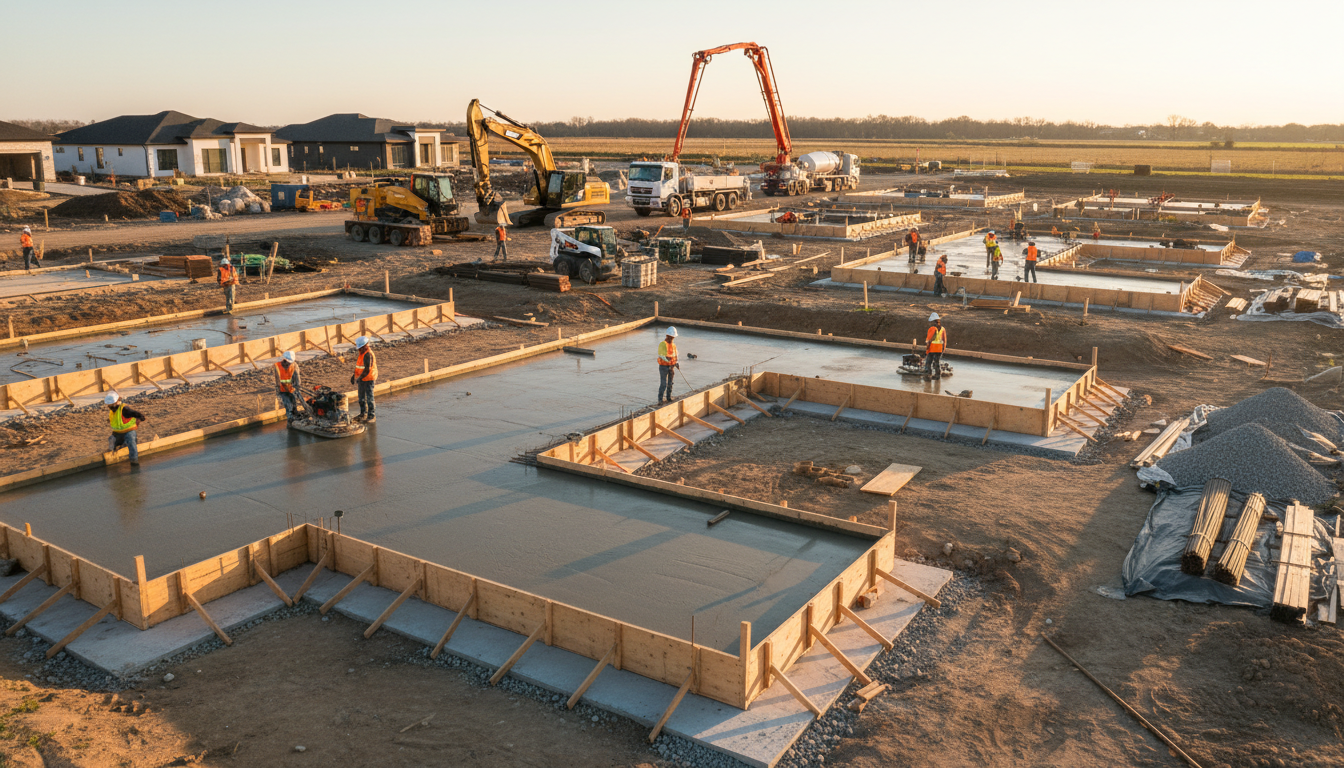
Combining Drainage and Footing Depth for Success
Properly combining drainage solutions and determining the correct footing depth are key to building a successful retaining wall. These factors work together to maintain the wall's integrity by managing water pressure and providing a stable foundation.
Ignoring these aspects can lead to costly repairs or even complete wall failure. It's always wise to consult with a professional engineer or contractor to ensure that these critical components are appropriately addressed during construction.
Conclusion
Ultimately, the longevity and effectiveness of a retaining wall are heavily dependent on two factors: drainage and footing depth. By prioritizing proper drainage and ensuring the correct footing depth, you can build a retaining wall that stands the test of time and effectively manages the landscape.
Whether you're embarking on a DIY project or hiring professionals, understanding these elements will help you make informed decisions and achieve the best results. A well-constructed retaining wall not only enhances the beauty of your property but also provides valuable structural support.