Why Structural Integrity Matters: The Risks of Cutting Corners in Retaining Walls
JW
Understanding Structural Integrity in Retaining Walls
Retaining walls are more than just functional landscape features; they are crucial in maintaining the structural integrity of a property. Whether they're used for erosion control, terracing a slope, or simply adding an aesthetic element to a yard, retaining walls must be constructed with care and precision. Any oversight or attempt to cut corners can lead to catastrophic failures.
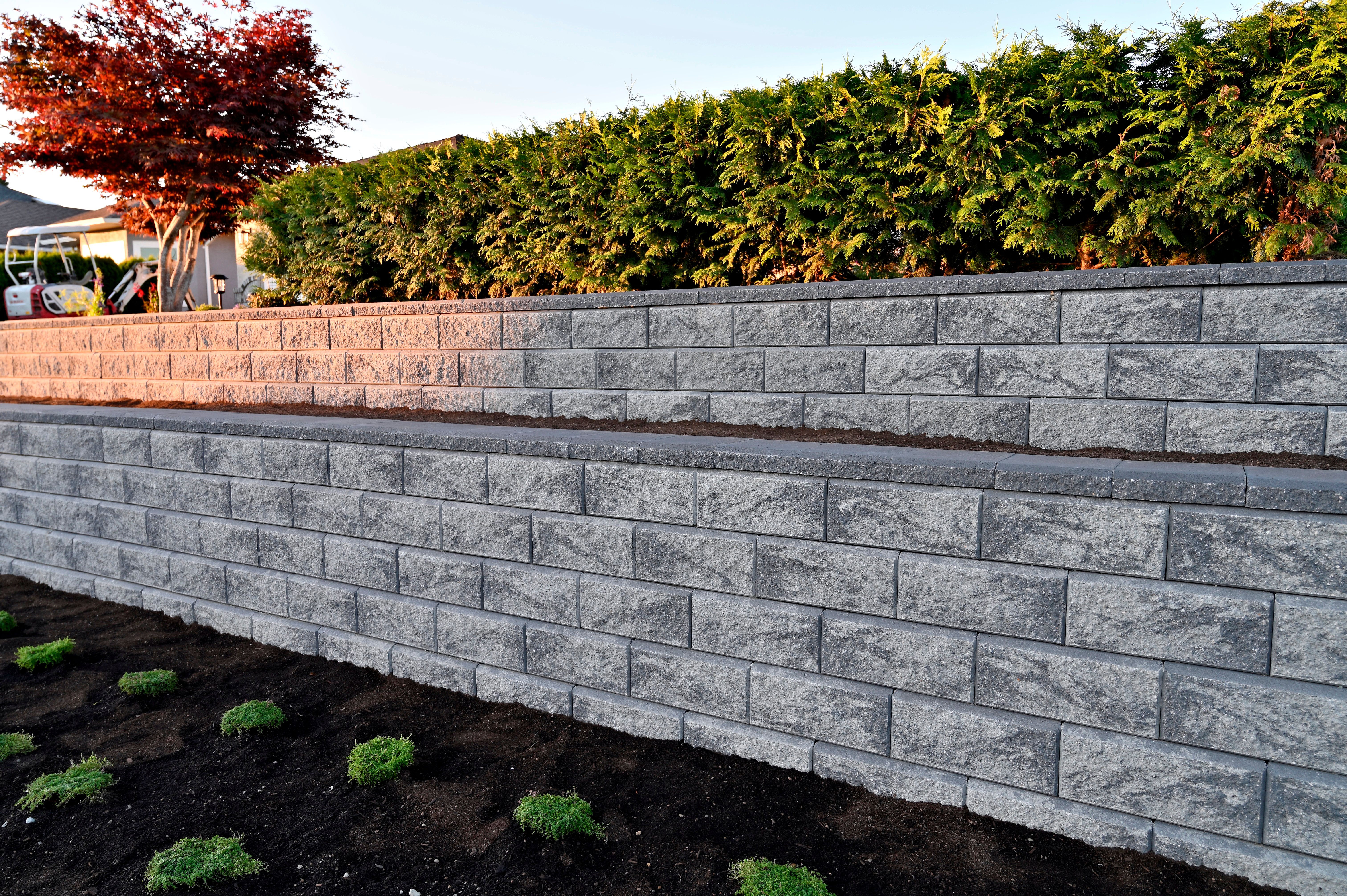
The Importance of Proper Design and Materials
When it comes to retaining walls, the choice of materials and design plays a pivotal role in their durability and effectiveness. Retaining walls must be built with materials that can withstand the pressure exerted by the soil they are holding back. Using substandard materials or failing to adhere to proper design principles can lead to structural weaknesses.
It’s not just about choosing the right materials; it’s also about ensuring that the wall is designed to handle the specific conditions of the site. Factors such as soil type, drainage, and the slope of the land must all be considered in the design phase.
Common Risks of Cutting Corners
Attempting to save time or money by cutting corners can lead to several issues, including:
- Structural Failure: A poorly constructed retaining wall can collapse, causing damage to property and potentially injuring people.
- Increased Maintenance Costs: Cheap materials may require frequent repairs or replacements, leading to higher long-term costs.
- Environmental Impact: A failed retaining wall can lead to soil erosion and water runoff, negatively impacting the surrounding environment.
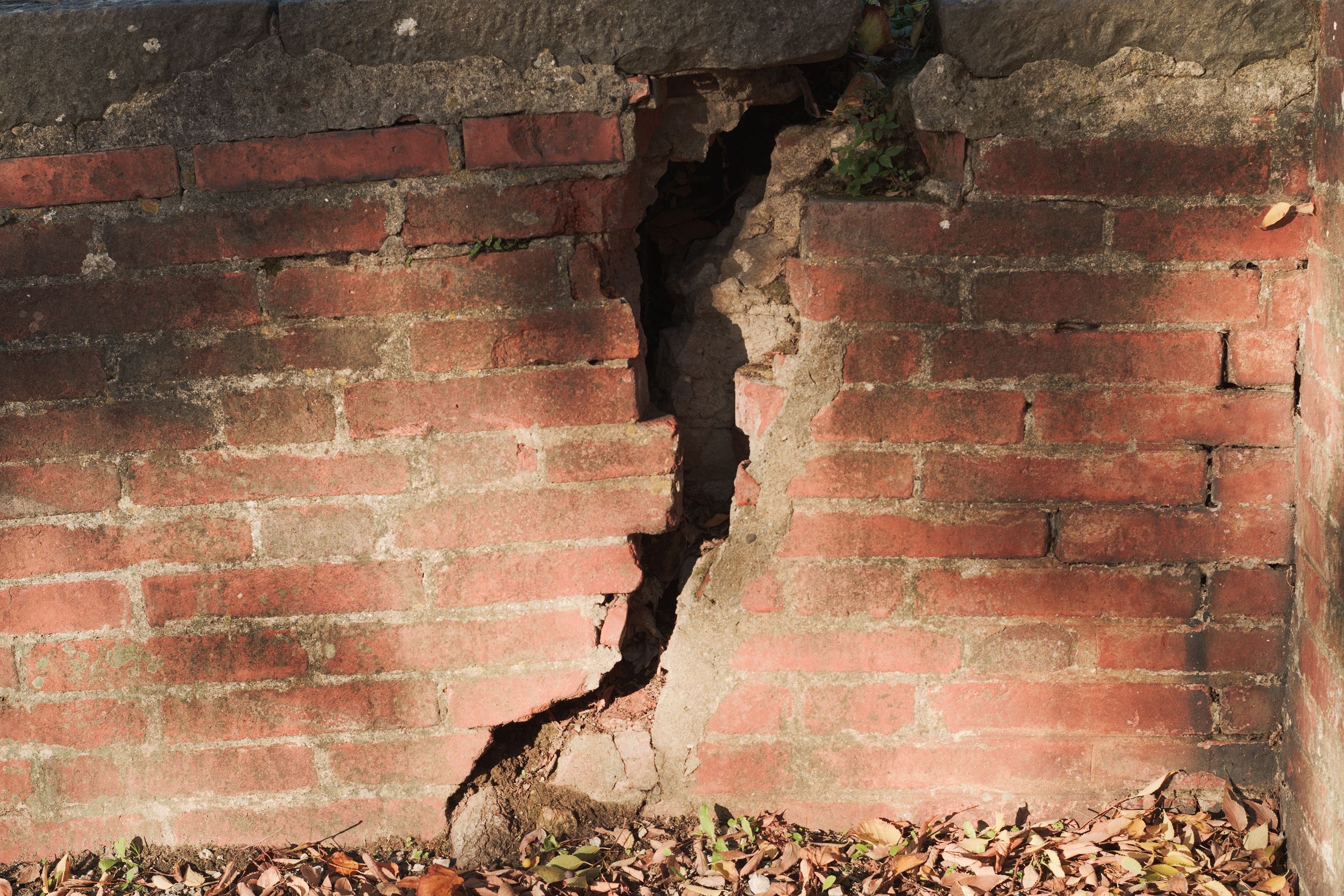
Ensuring Long-Term Stability
To ensure that a retaining wall remains stable over the long term, it is crucial to invest in quality construction from the start. This means hiring experienced professionals who understand the complexities involved in building a secure retaining wall. Professionals can assess the site, recommend the best materials, and ensure that the wall is built to last.
Moreover, regular inspections and maintenance are essential to identify and address any potential issues before they become major problems. This proactive approach can save property owners from costly repairs and ensure the safety and functionality of the retaining wall.
Conclusion: The Value of Doing It Right
While it might be tempting to cut corners to save time or money, the risks associated with poorly constructed retaining walls far outweigh the benefits. By prioritizing structural integrity and investing in quality construction, property owners can avoid potential disasters and enjoy the long-lasting benefits of a well-built retaining wall.